4.8 · מבוסס על 330+ ביקורות בגוגל
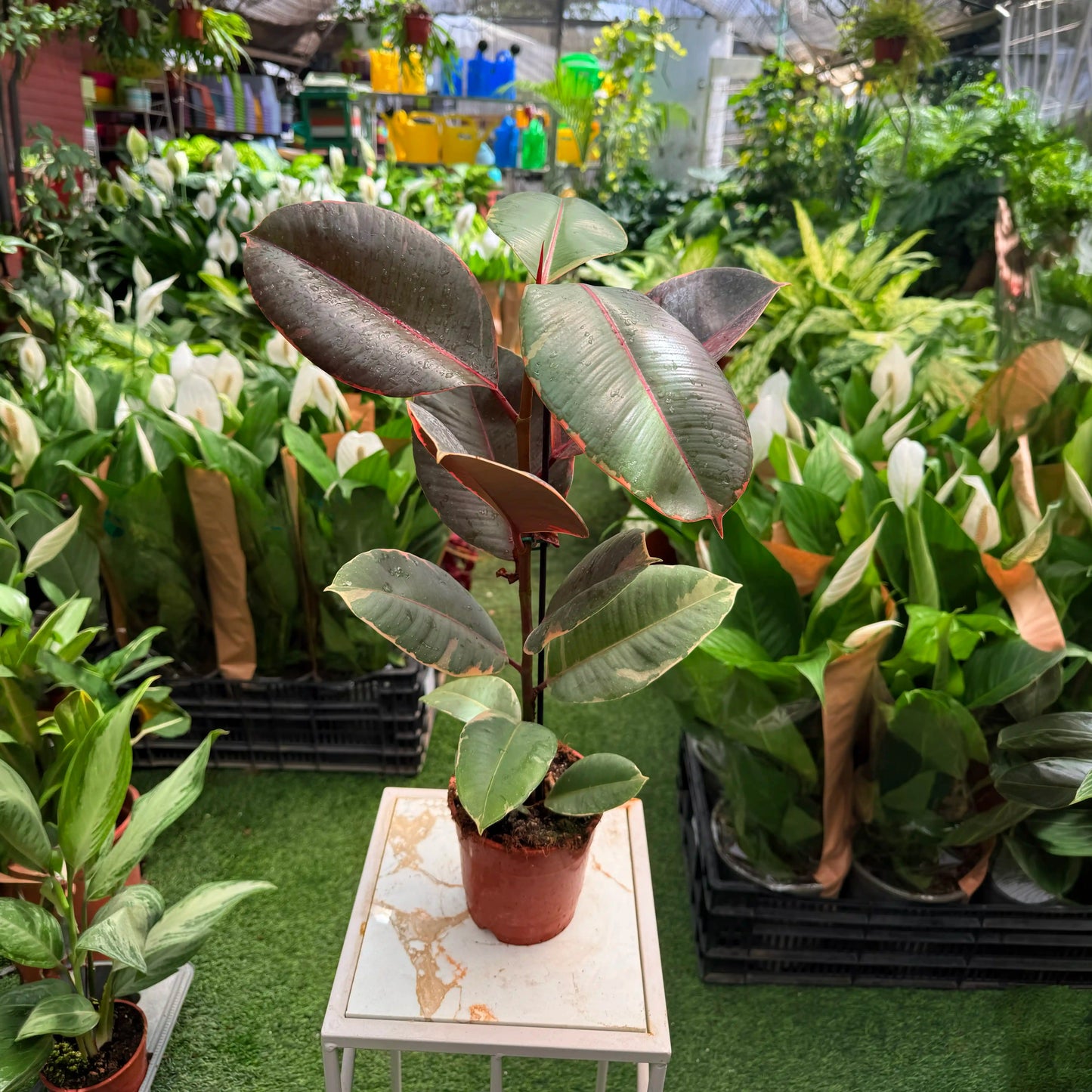
Pink Rubber Plant, 12 cm pot diameter
Pink Rubber Plant, 12 cm pot diameter
Regular price
45.00 ₪
Regular price
Sale price
45.00 ₪
Unit price
per
Including VAT
- בקרת איכות מקצועית על כל מוצר לפני שליחתו
- אריזה מוקפדת לבטיחות כל מוצר
- משלוח עד הביתהאספקה מתבצעת בהתאם לאזורי החלוקה ולזמני האספקה
🔒 תשלום מאובטח📦 אריזה מוקפדת💬 ייעוץ אישי
משלימים לצמח הזה
Stimulating fertilizer drops for houseplants and herbs כמה טיפות למים בכל השקייה
12.00 ₪
מומלץ
Migdal from the Northern Border 10 liter planting mix מצע שתילה לכל צמח
14.00 ₪
Gardening gloves לשתילה בלי ללכלך את הידיים
12.00 ₪
- אורBright indirect light · no direct sun
- השקיהבינונית
- רמת גידולבינוני
- מיקוםHome · Bright indirect light
Full product description Click for description
Foliage
Hints of pink
Broad leaves in shades of green and cream
Light
Bright indirect light
Near a window, no direct strong sun
Watering
Check before watering
When the top layer is dry
Pot diameter
12 cm
Nursery pot
Maintenance
Regular attention
Proper light, water, and drainage
Location
Bright home or office
Permanent spot with natural light
Pink Rubber Fig – large leaves, a touch of pink
The Pink Rubber Fig adds color to your home in a subtle way: broad leaves in shades of green and cream, with hints of pink and reddish veins. Its thick foliage and upright growth create a clean, present look, perfect for a side table in the living room, a workspace, or an office with natural light.
It belongs to the Ficus elastica species, known as the rubber fig. It comes in a 12 cm diameter nursery pot—a pleasant way to add a foliage plant to your home and watch it grow. The diameter refers to the pot size, not the plant height.
For a balanced look, you can place it in a sleek decorative pot—white, dark green, or burgundy—and let the leaves take center stage. Place it on a stable surface and give the foliage some space, so you can enjoy the unique patterns on every leaf. Decorative pot and stand are not included with the product.
Where should you place it?
Choose a spot with bright indirect light, near a window. A thin curtain can filter strong sun, especially during the afternoon hours. A fig with variegated foliage needs more light than a dark corner deep in the room; proper light is essential for growth and maintaining the foliage's appearance.
A permanent, warm, and stable spot is best, away from cold drafts or direct air conditioning vents. If choosing a workspace, ensure it has natural light even when the room is not in use. There is no need to move the plant around daily.
How to water?
Before watering, touch the soil to check the top layer. When it is dry to a depth of about 2 cm, water thoroughly and let excess water drain from the drainage holes. If the plant is inside a decorative pot, empty any remaining water after watering.
The frequency between waterings depends on the light, season, and how fast the soil dries out. Therefore, it is better to check the soil rather than sticking to a fixed day of the week. In winter, when growth is slower, you usually reduce watering. Well-draining soil and a pot with drainage holes help avoid water accumulation around the roots.
Keep the leaves beautiful
Occasionally, you can wipe dust off the leaves with a soft, damp cloth, gently supporting the leaf while doing so. The broad leaves are a key part of the fig's look, and a light cleaning allows you to enjoy their natural colors and texture.
During the growing season, you can fertilize with a suitable houseplant fertilizer, according to the manufacturer's instructions. As the plant grows and needs more root space, gradually move it to a slightly larger pot with well-draining soil. There is no need to pick a pot much larger than the nursery pot to begin with.
What’s included?
A living Pink Rubber Fig in a 12 cm diameter nursery pot. The photo shows the plant in the nursery; the stand and surrounding plants are for display purposes and are not part of the product.
As with any living plant, there may be differences in height, leaf count, size, and variegation intensity. The distribution of green, cream, and pink varies from leaf to leaf and plant to plant. This is part of the foliage's natural character, not a printed pattern that repeats in exactly the same way.
Looking to add more green to your home? Discover our entire houseplant collection and our selection of plants for partial shade and indirect light.
📖
Want to learn more? The complete Rubber Fig (Elastica) guide
Everything you need to know about plant care—light, watering, fertilizing, and common issues—in one guide.