Skip To Product Info
1 of 2
4.8 · מבוסס על 330+ ביקורות בגוגל

Orchid potting mix – nutrient-rich orchid blend, 1 or 10 liters

Orchid potting mix – nutrient-rich orchid blend, 1 or 10 liters

Regular price 12.90 ₪
Regular price Sale price 12.90 ₪
Sale Sold out
Including VAT
Volume
  • בקרת איכות מקצועית על כל מוצר לפני שליחתו
  • אריזה מוקפדת לבטיחות כל מוצר
  • משלוח עד הביתהאספקה מתבצעת בהתאם לאזורי החלוקה ולזמני האספקה
🔒 תשלום מאובטח📦 אריזה מוקפדת💬 ייעוץ אישי

חובה לכל מגדל סחלבים 🌸

18.00 ₪
28.00 ₪
45.00 ₪
View full details

Full product description Click for description

📦
Volume
1 or 10 Liters
Choose on page
🌸
Designed for
Orchids
Such as Phalaenopsis
🥥
Base
Coconut & Pine
Coconut chips & Pine bark
💨
Texture
Coarse & Airy
Not potting soil
🏭
Manufacturer
Dashenit
Garden Mix series

🌸 Dashenit Orchid Mix - Coarse and airy substrate for orchids

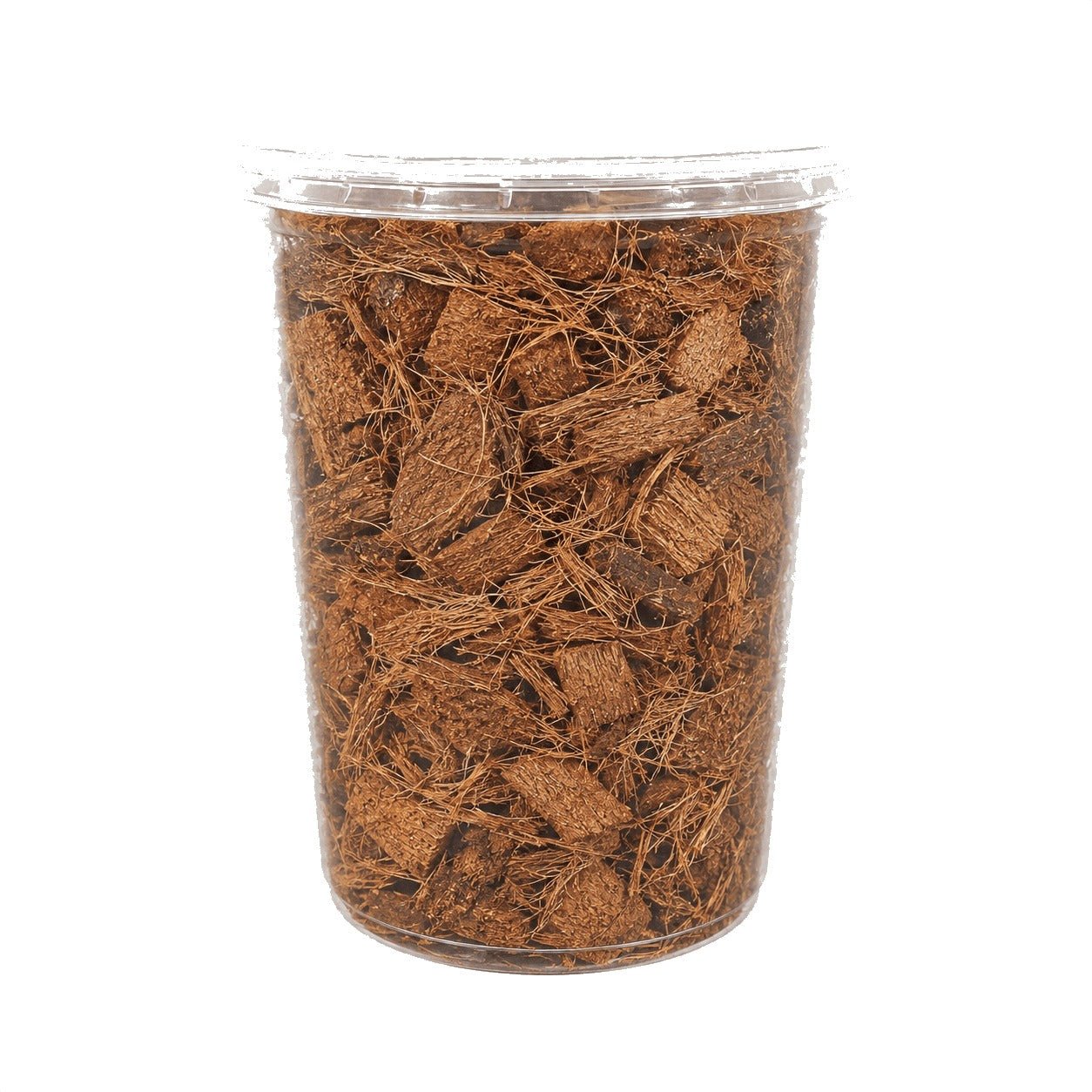
A dedicated orchid substrate from Dashenit's Garden Mix series (labeled Orchid Mix). According to the manufacturer, it is based on coconut chips and pine bark—a coarse texture that leaves plenty of air around the roots and drains quickly. This is not regular potting soil, which is why it is suitable for orchids.

Use it for repotting an orchid or when the old substrate has broken down and stays wet for too long. 1 Liter is suitable for repotting one orchid in a small pot, and 10 Liters for several orchids.

🌸 Why Dashenit Orchid Mix?

💨
Air for the roots

Orchids are sensitive to excess water. The coarse texture leaves space for air between the pieces.

🚿
Quick drainage

Water flows through the substrate and out of the drainage holes instead of sitting around the roots.

🥥
Coconut and pine bark

Natural materials in coarse chunks - not dense soil.

🔄
For substrate renewal

Orchid substrate breaks down over time. Fresh substrate restores airflow and drainage to the roots.

📦
Two sizes

1 Liter for a single orchid, 10 Liters for those repotting multiple orchids.

🏠 Why and where is it used?

Important: Use a pot with drainage holes and choose the size according to the healthy root ball - not too big.

🌸 Phalaenopsis

The common house orchid

💜 Cattleya

Epiphytic orchid

🌺 Dendrobium & Oncidium

Epiphytic orchids

🪴 Repotting

When roots don't fit

♻️ Substrate renewal

When the old substrate breaks down

🫙 Transparent pot

To monitor roots and moisture

⚠️ Avoid: Regular potting soil for orchids, vessels without drainage holes, burying the base of the leaves, and compressing the substrate into a solid mass.

🪴 How to use

🧰
Preparation

A clean pot with drainage holes, fresh orchid substrate, and clean cutting tools.

🧹
Clean roots

Remove the orchid and clear away the old substrate.
Cut off dead roots - dry/hollow or soft/rotted.

📏
Choose a pot

The smallest pot that comfortably accommodates the healthy root ball.

🌸
Planting

The base of the leaves should remain above the substrate level.
Insert substrate between the roots and stabilize - without compressing.

💧
Watering

According to the manufacturer: water thoroughly and ensure the pot drains.
Thereafter, water when the substrate is nearly dry.

📝 Important to know

📋 Composition per manufacturer

Coconut chips and pine bark. The composition and usage instructions on the packaging take precedence.

⏳ When to replace substrate

When the substrate breaks down and remains wet for too long, when healthy roots no longer fit in the pot, or approximately every two years.

🧪 Fertilization

The manufacturer does not indicate fertilizer in the substrate. Feed with a specialized orchid fertilizer according to the label, during growth and on slightly moist substrate.

🌿 Aerial roots are not a reason to repot

Roots emerging from above the pot are natural for orchids. Decisions to repot should be based on the condition of the substrate and the root ball inside.

📋 Technical Specifications

🏭 Manufacturer Dashanit - Garden Mix series
🏷️ Bag Name Orchid Mix - Orchid potting mix
📦 Volume 1 liter or 10 liters
🥥 Manufacturer's composition Coconut chips and pine bark
💨 Texture Coarse and airy
🌸 Suitable for Epiphytic orchids like Phalaenopsis, Cattleya, Dendrobium, and Oncidium
🫙 Recommended pot With drainage holes; transparent - to monitor roots and moisture

❓ Frequently Asked Questions

❓ Can I plant an orchid in regular potting soil?

Not recommended. Phalaenopsis and similar orchids grow in a coarse, airy medium. Regular soil stays wet and dense, which can cause the roots to rot.

❓ How much medium do I need for one orchid?

A 12 cm orchid pot holds about one liter of medium or less, as the root ball occupies part of the volume. Therefore, a 1-liter pack is usually enough for repotting one such orchid. A 10-liter bag is enough for several repottings.

❓ How often should the medium be replaced?

Approximately every two years, or sooner if the medium has decomposed, stays wet for a long time, or when the healthy roots no longer fit in the pot.

❓ When is the best time to repot an orchid?

When necessary—due to decomposed medium or crowded roots. If everything is fine and the orchid is blooming, there is no benefit to repotting; it is better to wait until after blooming.

❓ Is a transparent pot required?

Not mandatory, but convenient: in a transparent pot, you can see if the medium is still moist and the condition of the roots. It does not replace the need for drainage holes.

❓ Is there fertilizer in the medium?

The manufacturer does not specify the presence of fertilizer. After repotting, once the orchid resumes growth, apply a fertilizer specifically for orchids according to the label.

❓ Why does the medium look like chunks and fibers?

That is the correct texture: coarse chunks of coconut chips and pine bark allow air between the roots. Do not crumble or compress them.

🌸 In short - who is this for?

Dashanit's orchid mix is suitable for those repotting a Phalaenopsis or similar orchid, or replacing decomposed medium. 1 liter for one orchid, 10 liters for several.

💡 Tip: In the weeks following repotting, check for moisture before every watering—fresh medium dries at a different rate than old medium.

📖

Want to learn more? The complete orchid guide

Everything you need to know about caring for the plant—light, watering, fertilizing, and common problems—in one guide.

Read the full guide →

📘 Another useful guide: How to care for and repot a Phalaenopsis orchid into a new pot
With over 330 Google reviews and a 4.8⭐ rating – you’re in good hands. ♥️