Skip To Product Info
1 of 2
4.8 · מבוסס על 330+ ביקורות בגוגל

Perlite

Perlite

Regular price 12.90 ₪
Regular price Sale price 12.90 ₪
Sale Sold out
Including VAT
Volume
  • בקרת איכות מקצועית על כל מוצר לפני שליחתו
  • אריזה מוקפדת לבטיחות כל מוצר
  • משלוח עד הביתהאספקה מתבצעת בהתאם לאזורי החלוקה ולזמני האספקה
🔒 תשלום מאובטח📦 אריזה מוקפדת💬 ייעוץ אישי

מה צריך כדי לערבב נכון

מומלץ
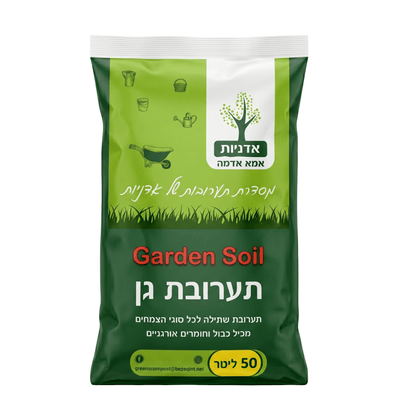
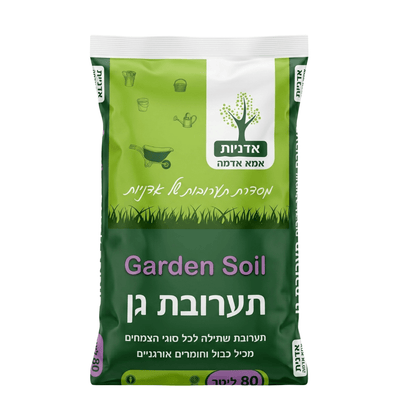
Potting mix, planting soil, fertilizer-enrichedלבסיס מצע מלא; בוחרים נפח לפי הכמות
החל מ־22.50 ₪
לבחירה
Gardening gloves לעבודה נקייה ולהפחתת מגע עם האבק
12.00 ₪
You are digging. למדידה ולערבוב בכמויות קטנות
22.00 ₪
נגמר כל חודש? יש מנוי. מגיע לבד, ₪31 לחידוש במקום 12.90 ₪ — עם משלוח חינם View full details

Full product description Click for description

📦
Volumes
3 sizes
1, 10 or 100 liters
⚪
Granule
0.075-2.5 mm
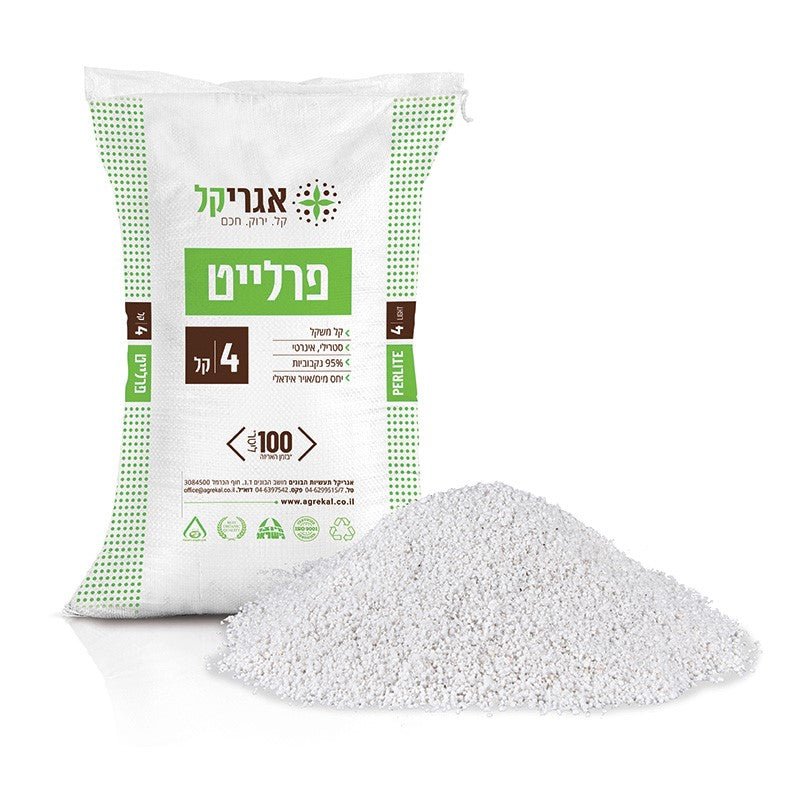
Agricol Perlite 4 Light
💧
Water retention
50%
of substrate volume, per manufacturer
🪶
Weight
80-90 grams
per liter, per manufacturer
🧪
Type
Inert mineral
not fertilizer

⚪ Agricol Perlite - Lightweight mineral additive for substrate aeration

Perlite is a lightweight, porous mineral aggregate mixed into potting soil. It alters the physical structure of the mixture - adding air pockets and helping excess water to drain. The bag pictured in the 100-liter volume is Agricol Perlite 4 Light.

Available in 1, 10 or 100 liters - the 1 and 10-liter packs are smaller quantities of the same material. Perlite is not a fertilizer and not a full growing medium for any plant: choose a mixing ratio based on the plant, base substrate, and container.

⚪ Why Perlite?

💨
Root aeration

Light and porous granules create air spaces within the substrate - this is its primary function in a mixture.

🚿
Improved drainage

Helps excess water escape the substrate when the container has open drainage holes.

🪶
Very lightweight

Per manufacturer, 80-90 grams per liter - adds volume without weighing down the pot.

⚖️
Chemically neutral

Inert material with a neutral pH - does not alter the chemical composition of the mixture.

🧱
Does not decompose

A mineral granule that does not break down like organic matter, maintaining the substrate structure over time.

🏠 Why and where is it used?

Important: In home gardening, perlite is a component within a mixture - not a layer at the bottom of the pot, nor a substitute for the growing medium.

🪴 Potting mixes

For aerating heavy media

🌵 Succulents & cacti

Part of a well-draining mix

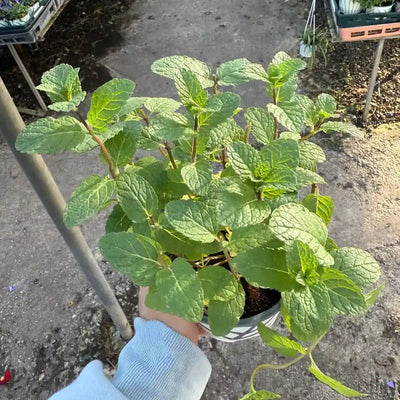
🌿 Potted herbs

2 parts medium, 1 part perlite

✂️ Cutting propagation

Via controlled method

🌱 Sowing & germination

In germination mixes

💧 Hydroponics

Per system instructions

⚠️ Avoid: A layer of perlite at the bottom of the pot, using perlite alone as a growing medium for standard plants, and pouring a dry bag from a height in a closed room.

🥣 How to use

📐
Choose a ratio

Choose a ratio based on the plant, base medium, container, and irrigation.
According to the Perlite Institute, potting mixes typically use 5%-40% perlite by volume.

😷
Reduce dust

Work outdoors or in a well-ventilated area and pour from a low height.
Moisten slightly before mixing.

🥣
Mix evenly

Measure all components by volume, without compressing.
Mix from the bottom up until the granules are distributed throughout the substrate.

🪴
Plant

Fill around the roots in small portions and stabilize gently.
Do not create a separate layer at the bottom.

💧
Water according to substrate

Check for moisture and monitor the plant - adding perlite does not automatically set a new watering schedule.

📝 Important to know

🏷️ Which perlite is this?

In the 100-liter bag: Agricol Perlite 4 Light. Per manufacturer: 0.075-2.5 mm granule, 50% water holding capacity by substrate volume, 80-90 grams per liter. Other perlite grades have different specifications.

😷 Working with dust

Perlite dust can irritate eyes, skin, and respiratory tracts. Work in well-ventilated areas, do not inhale dust, and rinse with water if it enters the eyes.

🧪 Not a fertilizer

Perlite adds no nutrition. Fertilization is determined by the base substrate and the plant.

📦 Storage

Keep the remainder dry and sealed - it will be used for your next mix.

📋 Technical Specifications

🏭 Manufacturer Agricol
🏷️ Grade (100L bag) Perlite 4 light
📦 Volumes 1, 10 or 100 liters (1 and 10 liters - small packages of the same material)
⚪ Grain size 0.075-2.5 mm (according to manufacturer)
💧 Water retention 50% of substrate volume (according to manufacturer)
⚖️ Bulk density 80-90 grams per liter (according to manufacturer)
🧪 Material type Mineral, inert - not fertilizer
📏 Large bag volume 100 liters, measured at time of packaging (as written on the bag)

❓ FAQ

❓ Is perlite a fertilizer?

No. It changes the physical properties of the substrate - air, drainage, and weight - and does not provide nutrients.

❓ How much perlite should be added?

There is no single ratio for every plant. According to the Perlite Institute, potting mixes usually contain 5%-40% perlite by volume. For herbs in containers, the University of Maryland Extension recommends 2 parts soilless mix and 1 part perlite.

❓ How do I convert a ratio into liters?

Multiply the volume of the mix by your chosen ratio. For example, 20% of 10 liters of mix is 2 liters of perlite and 8 liters of substrate. A 100-liter bag is enough for 500 liters of mix at a 20% ratio.

❓ Can I grow in perlite only?

Some rooting and hydroponic methods do this, but they require controlled management of water and nutrients. For a regular houseplant, it is used within a mix.

❓ Do I need to wash perlite before use?

Not necessary for normal use. It is recommended to moisten slightly to reduce dust. In a hydroponic system, follow the system's guidelines.

❓ Why does perlite float after watering?

It is very light, so top grains shift during heavy watering. Water slowly and close to the substrate, and mix the perlite throughout the entire substrate rather than leaving it as a top layer.

❓ What is the difference between perlite, coco coir, and tuff?

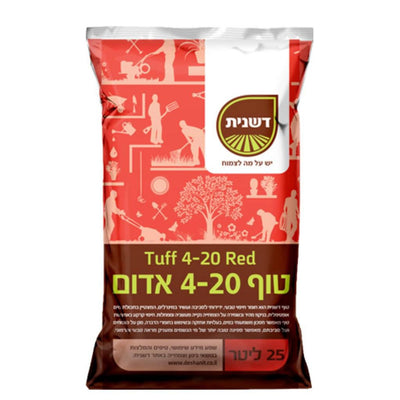
Perlite is lightweight and adds air pockets, coco coir holds water and adds organic volume, and tuff is a heavier, more stable mineral component. Choose according to the substrate and application.

⚪ In short - who is this for?

Agricol perlite is suitable for those who assemble their own mix and want an airier and lighter substrate - for pots, herbs, succulents, and rooting. Choose 1, 10, or 100 liters according to the amount of mix you are preparing.

💡 Tip: Lightly moisten the perlite before mixing and pour it from a low height - this results in much less dust.
With over 330 Google reviews and a 4.8⭐ rating – you’re in good hands. ♥️