Skip To Product Info
1 of 2
4.8 · מבוסס על 330+ ביקורות בגוגל

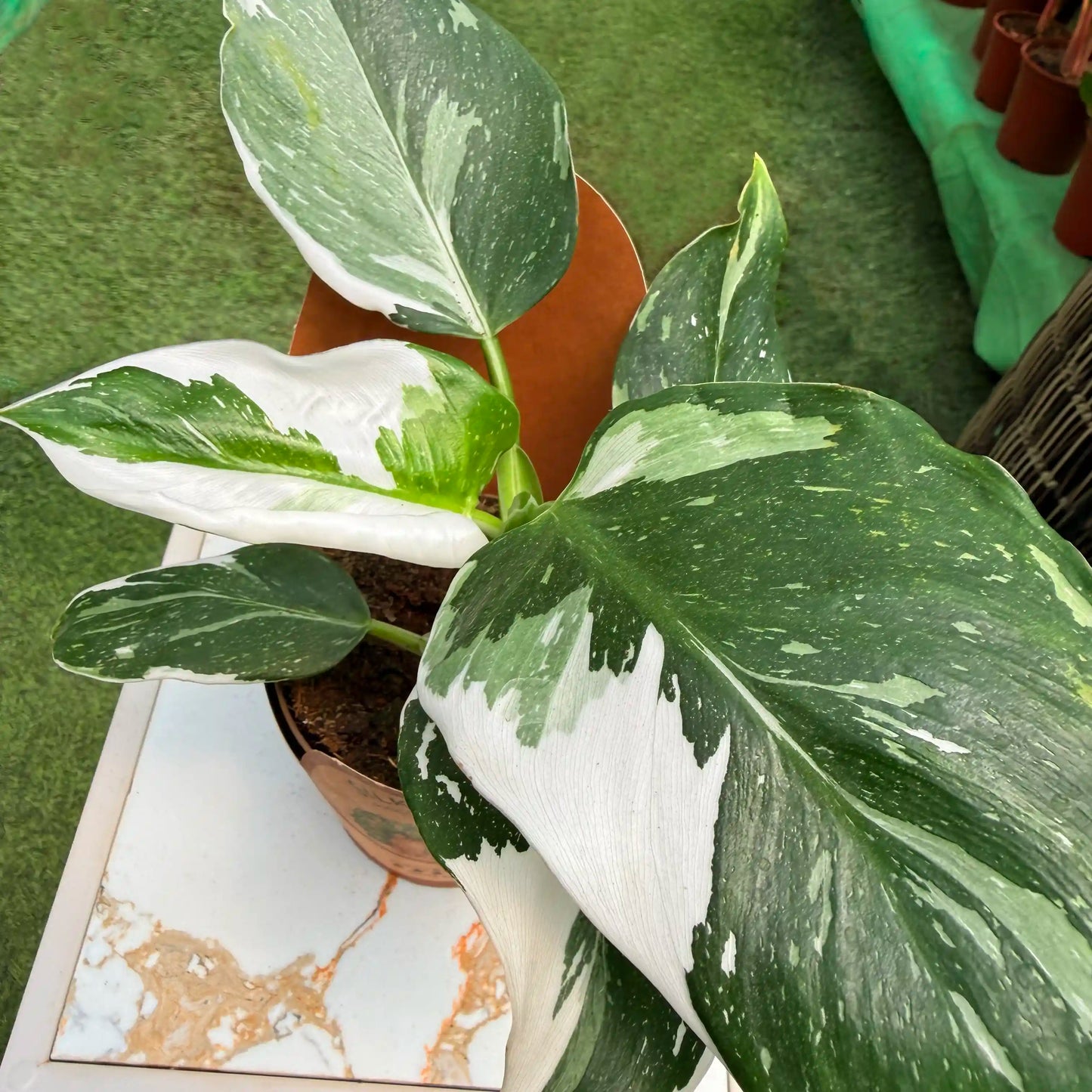
Philodendron White Wizard

Philodendron White Wizard

Regular price 65.00 ₪
Regular price Sale price 65.00 ₪
Sale Sold out
Including VAT
Pot diameter
  • בקרת איכות מקצועית על כל מוצר לפני שליחתו
  • אריזה מוקפדת לבטיחות כל מוצר
  • משלוח עד הביתהאספקה מתבצעת בהתאם לאזורי החלוקה ולזמני האספקה
🔒 תשלום מאובטח📦 אריזה מוקפדת💬 ייעוץ אישי

משלימים לצמח הטרופי

Spray bottleלהעלאת הלחות סביב העלים
15.00 ₪
Coconut stickתמיכה לצמח שמתגבה
21.00 ₪
מומלץ
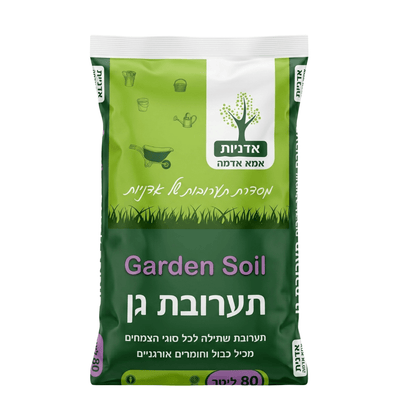
Aroid Mix 30 Liters Soil-basedמצע מאוורר לצמחים טרופיים
70.00 ₪
  • אורBright indirect light · The variegated color requires strong light (not direct sun)
  • השקיהבינונית
  • רמת גידולבינוני
  • מיקוםHome · Bright indirect light
View full details

Full product description Click for description

PHILODENDRON ERUBESCENS 'WHITE WIZARD'
🪄 Philodendron White Wizard
Deep green and bright white — every leaf is a new surprise, every plant unique in the world
🇳🇱 Direct import from the Netherlands
☀️
Light
Bright indirect light — an east-facing window is ideal. At least 6–8 hours of light per day to maintain the white
💧
Watering
About 200ml once a week — when 50% of the soil is dry. Never overwater
🌡️
Temperature
18–27°C — tropical origin from Colombia. Not below 12°C, not near an AC or cold draft
🏠
Suitable for...
Indoor only — collectors and aroid enthusiasts. Suitable for basic experience level and up
💨
Humidity
Loves high humidity (60–80%) — a humidifier in the environment will greatly assist growth
🪄
What makes it a "Wizard"? Every new leaf of the White Wizard is a surprise — you cannot predict how much white it will have. Some come out half-white, some with splashes, and sometimes a nearly entirely white leaf ("ghost leaf") appears. Its stems are green — that is how you distinguish it from the White Knight (burgundy stems) and the White Princess (stems with pink stripes).
📖 About the plant — what is so special about the White Wizard? ▼

Philodendron White Wizard is a rare variegated variety from the aroid family, originating from the rainforests of Colombia. Unlike many variegated varieties, its variegation is relatively stable — meaning the chance of the plant "reverting to green" is lower than in species like the White Knight.

As a climbing plant, it creates long vines and larger leaves as it receives support — a moss pole will help it develop mature leaves of up to 25–30 cm. The more mature the leaf, the more prominent and impressive the white patches are.

💧 Watering — the most critical issue ▼

The white areas on the leaf are devoid of chlorophyll — only the green parts perform photosynthesis. This means the plant is less forgiving of excess water than a regular green philodendron, because root rot cuts off its energy capacity.

The rule: Water when 50% of the soil is dry — not before. About 200ml per medium pot, once a week in summer and less in winter. Always ensure drainage.

Tip: Bottom watering — placing the pot in a bowl of water for 20 minutes — is the best way to maintain even moisture and prevent rot.

☀️ Light — the key to an impressive White Wizard ▼

The white areas are devoid of chlorophyll — only the green parts can perform photosynthesis. Therefore, the plant needs more light than a green philodendron to get enough energy. In low light, the plant will produce greener leaves with less white.

The ideal location: An east-facing window with gentle morning light is best. A west-facing window with a thin curtain also works. At least 6–8 hours of light per day.

If an entirely green leaf grows without white, prune it back to the last growth point with white. This will encourage the plant to try again with variegation.

🌱 Soil, Fertilizing, and Repotting ▼

Soil: A well-draining, airy mix for aroids — potting soil with perlite and bark. It is important that the soil does not hold moisture for too long. Heavy soil = root rot.

Fertilizing: A balanced liquid fertilizer every 4–6 weeks during the growing season (spring–summer), at half the recommended dose. Excess nitrogen will cause green growth at the expense of white. Do not fertilize in winter or during the first month after the plant arrives home.

Repotting: Every 1–2 years, increasing by only 2 cm. Too large a pot = excess moist soil = rot. The plant grows better when it is "a bit snug".

Frequently Asked Questions
What is the difference between White Wizard, White Knight, and White Princess? +
All three are white-and-green variegated philodendrons, but the easiest difference to identify is the stem: White Wizard — green stems. White Knight — dark burgundy stems. White Princess — stems with pink stripes. Additionally, the Wizard has relatively large, round leaves, and its variegation is characterized by large white patches (sectoral variegation).
Is the plant suitable for beginners? +
It is not difficult — but it is better suited for someone with basic experience with houseplants. Anyone who understands the principle of measured watering and knows the importance of light for variegated varieties will do very well. It is one of the more forgiving variegated philodendrons.
An entirely white leaf came out — is that a problem? +
An entirely white leaf ("ghost leaf") is rare and impressive — but it cannot perform photosynthesis. The plant can support one such leaf for a while, but if white leaves appear in succession, you should increase the light and ensure the plant is getting enough energy from the green leaves it has.
Does the plant come in a pot? +

The plant arrives in a plastic grower pot — and our recommendation is to leave it there. A grower pot is designed exactly for that: maintenance of the plant, optimal drainage, and aeration of the soil — better than most decorative pots (except terracotta).

So how do you combine it with a beautiful pot? Simply — insert the pot as is into the decorative one. No need to plant, no need to touch the roots. And if tomorrow you want a pot in a different design — take it out, put it in a new one, done.

We have a large selection of pots and decorative planters in the shop — you can add them to your order.

📖

Want to dive deeper? The complete guide to Philodendron

Everything you need to know about caring for the plant - light, watering, fertilizing, and common issues - in one guide.
Read the full guide ←

With over 330 Google reviews and a 4.8⭐ rating – you’re in good hands. ♥️