Skip To Product Info
1 of 1
4.8 · מבוסס על 330+ ביקורות בגוגל

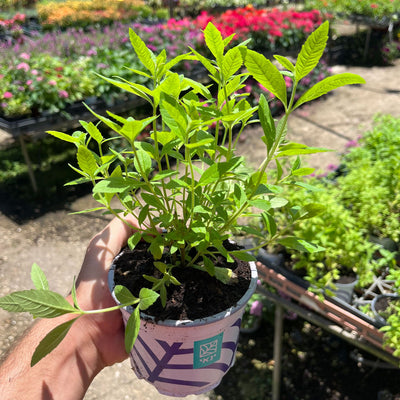
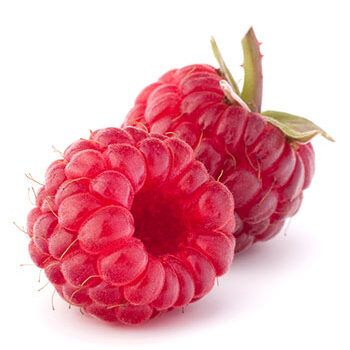
Red raspberry, 24 cm pot (10 liters) (perennial for the garden)

Red raspberry, 24 cm pot (10 liters) (perennial for the garden)

Regular price 135.00 ₪
Regular price Sale price 135.00 ₪
Sale Sold out
Including VAT
  • בקרת איכות מקצועית על כל מוצר לפני שליחתו
  • אריזה מוקפדת לבטיחות כל מוצר
  • משלוח עד הביתהאספקה מתבצעת בהתאם לאזורי החלוקה ולזמני האספקה
🔒 תשלום מאובטח📦 אריזה מוקפדת💬 ייעוץ אישי

משלימים לצמח מטפס

Green iron tying wire - 30 metersלקשירה עדינה של הענפים
14.90 ₪
מומלץ
Support netting for climbing plants 5 meters5 מטר רשת שהצמח מטפס עליה · 5x1 meters
39.00 ₪
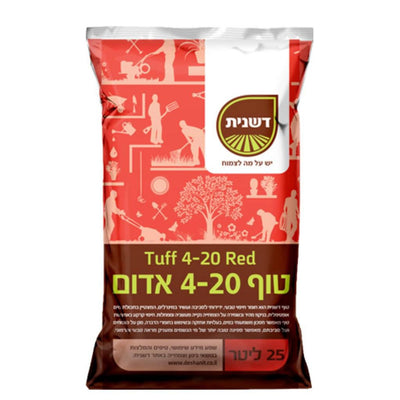
Universal Fertilizer 1.2 litersמטפסים צורכים הרבה מזון
45.00 ₪
  • אורשמש מלאה
  • השקיהמרובה
  • רמת גידולבינוני
  • מיקוםBalcony and garden · Full sun, fruit
View full details

Full product description Click for description

RUBUS IDAEUS | Perennial fruit shrub
🍓 Red Raspberry
A perennial Mediterranean fruit shrub — grows in gardens and on balconies, yielding sweet red fruits every season
🌿 Perennial | 🍓 Edible fruit | 🌞 Garden & Balcony
☀️
Light
Full sun or partial shade — at least 6 hours of sun a day. The more sun, the more fruit
💧
Watering
Regular watering — moist but not waterlogged soil. Every 2–3 days in summer. Do not let dry out between waterings
🌡️
Climate
Mediterranean, temperate, and subtropical — suitable for most parts of Israel. Enjoys winter cold for better flowering
🏡
Suitable for...
Garden, large balcony, and high-rise balconies — 25–40 liter container with support. Not for indoors
🍓
Fruiting time
One to two years from planting — a young branch hardens and produces fruit after a season and a half
🍓
How does the raspberry work? Red raspberry is essentially a biennial plant — a young branch grows in the first year, hardens and produces fruit in the second year, and can then be pruned. At the same time, daughter plants (suckers) grow at the base and continue the cycle — so it is a shrub that self-renews for many years. Fruits usually emerge in multiple waves per season.
🌱 Planting and Soil ▼

Soil: Rich, well-draining, and aerated soil — with the addition of compost/biohumus upon planting. Preferred pH 5.5–6.5 (slightly acidic).

Container growing: A container of at least 25–40 liters with good drainage. A larger pot = more fruit. Excellent for balconies.

Location: Protected from wind, in partial shade during the harsh afternoon hours in summer. The plant enjoys winter cold — a high-rise balcony is ideal.

✂️ Pruning and Support ▼

Support: Raspberry grows as a climbing shrub — it is recommended to anchor it to a fence, support netting, or stakes. The branches reach 1.5–2 meters.

Annual pruning: At the end of winter — prune branches that have already fruited (two-year-old branches, which have darker bark). Leave the young branches (second year) for the next fruit.

Daughter plants: When new seedlings grow at the base — you can leave some for renewal, and separate the rest to plant separately.

🌿 Fertilization and Routine Maintenance ▼

Fertilization: Balanced fertilizer during the growth period until established. Afterward — a potassium-rich (K) fertilizer that encourages fruiting. Once a month during the active season.

Mulch: Spreading compost or wood chips around the plant retains moisture and protects from summer heat.

Recommended: Inoculation with mycorrhiza during planting — strengthens the root system and improves mineral absorption.

Frequently Asked Questions
When will I start getting fruit? +
Usually one to two years from planting, depending on when it was planted and the condition of the plant upon arrival. A young branch planted in autumn can produce fruit in the following winter-spring. Patience pays off — once the plant is established, it produces in waves multiple times a year.
Is it suitable for a balcony? +
Yes — a balcony with enough sun and a container of at least 25 liters is sufficient. High-rise balconies are optimal — the plant enjoys the cold that arrives in winter and produces better fruit. Support (wall, poles) is required for the high branches.
Are there thorns? +
Depends on the variety — there are thorny varieties and thornless ones. Thornless varieties are more convenient for home and balcony growing. You can contact us via WhatsApp to ask which variety you will receive.
What can be done with the fruits? +
Red raspberry is a super-fruit — fresh eating, jams, juices, ice creams and popsicles, drying, infusing leaves for herbal tea. The leaves themselves are also edible and used for infusion.
📖

Want to learn more? The complete guide to red raspberry

Everything you need to know about caring for the plant - light, watering, fertilization, and common issues - in one guide.
Read the complete guide →

With over 330 Google reviews and a 4.8⭐ rating – you’re in good hands. ♥️