Skip To Product Info
1 of 2
4.8 · מבוסס על 330+ ביקורות בגוגל

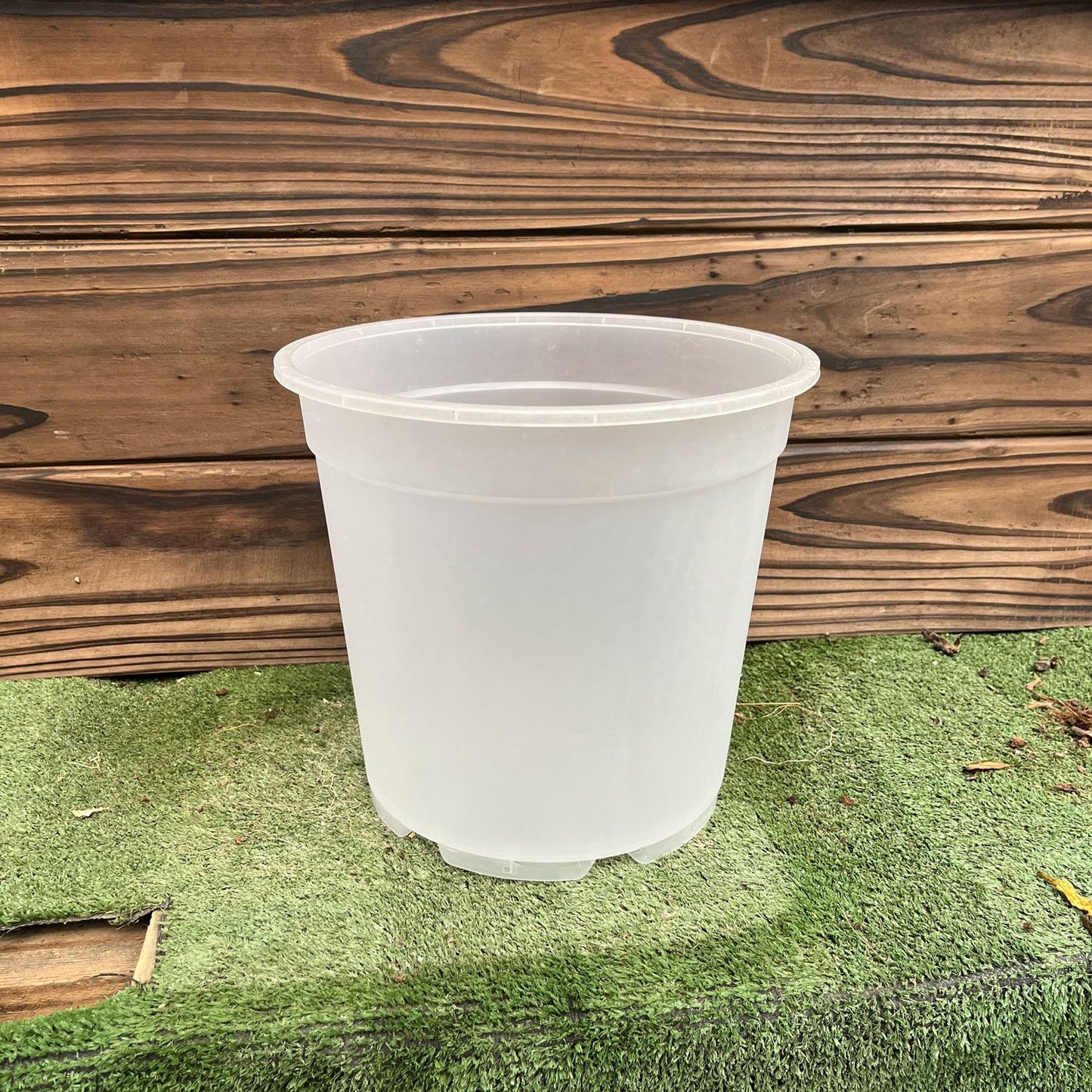
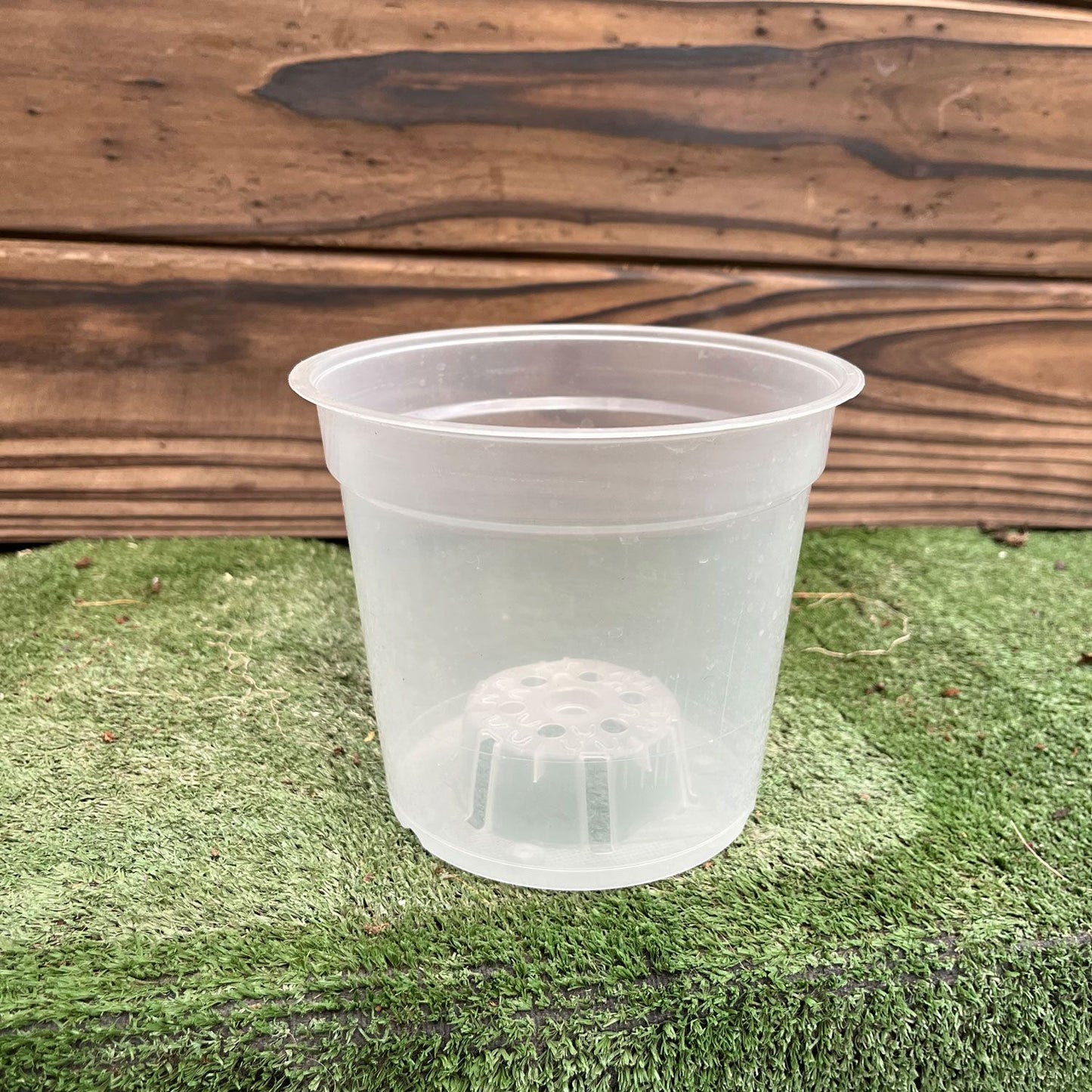
Transparent orchid pot

Transparent orchid pot

Regular price 11.50 ₪
Regular price Sale price 11.50 ₪
Sale Sold out
Including VAT
Flowerpot diameter
  • בקרת איכות מקצועית על כל מוצר לפני שליחתו
  • אריזה מוקפדת לבטיחות כל מוצר
  • משלוח עד הביתהאספקה מתבצעת בהתאם לאזורי החלוקה ולזמני האספקה
🔒 תשלום מאובטח📦 אריזה מוקפדת💬 ייעוץ אישי

משלימים לכד החדש

Gardening gloves לשתילה בלי ללכלך את הידיים
12.00 ₪
מומלץ
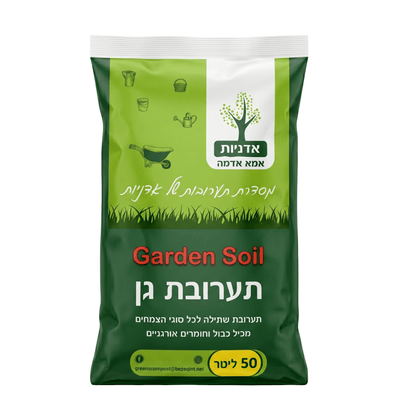
Migdal from the Northern Border 10 liter planting mix מצע שתילה למלא את הכד
14.00 ₪
Universal Fertilizer 1.2 litersמזון לכל הצמחים
45.00 ₪
View full details

Full product description Click for description

💎
Transparency
Clear plastic
For root viewing
🕳️
Drainage
Bottom holes
Removes excess water
📏
Sizes
12/15/18/24
Trade sizes, in cm
🌸
Purpose
For orchids
Epiphytic plants
🔄
Usage
Reusable
Wash and reuse

🪴 Clear pot for orchids - see the roots, drain excess water

Clear-milky plastic pot for orchids, with drainage holes in the bottom. The transparency allows you to monitor the state of the roots and the moisture level in the medium - green and saturated roots, or silvery-white roots that are dry and need watering.

The sizes in the selector are 12, 15, 18, and 24 cm - these are trade sizes, and availability is updated on the page. Before planting in a decorative container with a precise opening, it is recommended to contact us for the exact dimensions of the available variant.

🌸 Why a clear pot for orchids?

👀
See the condition of the roots

Transparency helps identify green, saturated roots versus silvery-white, dry roots - a simple tool to know when to water.

☀️
Light reaches the roots

In nature, epiphytic orchids grow on trees and rocks with roots exposed to light. Orchid roots contain chlorophyll, and when they receive light, they can also perform some photosynthesis.

🕳️
Drainage holes in the bottom

They remove excess water after watering, so the roots do not sit in standing water.

🔄
Lightweight and reusable plastic

Lightweight, easy to wash and disinfect, and can be used again for the next repotting.

🌿 Where to use?

Important: Transparency helps only when the pot is exposed to light. If placed inside an opaque decorative container, light does not reach the roots.

🌸 Phalaenopsis Orchid

Most common for home

🪟 Bright windowsill

Indirect light, no direct sun

🏺 Inside an open decorative container

That keeps the transparency visible

🌱 Other epiphytic plants

Roots that love aeration

📐 How to choose a size

✂️
Clean and measure roots

Clean off dead roots and measure the healthy root ball.

📏
The smallest container that fits

Choose the smallest container that holds the roots comfortably, with a little space for growth.
Do not choose based on leaf width or flower spike height.

🔼
Rule of thumb for repotting

Usually, move up one size from the previous pot, not several sizes at once.

💧
No standing water in outer container

If using an outer decorative pot, do not leave water accumulated from drainage in it.

📝 Important to know

🔢 Trade sizes, not exact measurements

12, 15, 18, and 24 are standard trade sizes - the inner diameter, outer diameter, and height may differ from the size number itself.

☀️ The advantage of transparency depends on light

Root photosynthesis is a small supplement to the plant, not its primary energy source - the true, daily advantage is being able to see root and moisture conditions.

🕳️ No gravel layer needed

The drainage holes at the bottom are sufficient; there is no need to add a layer of gravel beneath the orchid medium.

📋 Technical specifications

🏷️ Name Clear Orchid Pot
🧱 Material Clear-milky plastic
📐 Shape Round
🕳️ Drainage Bottom drainage holes
📏 Available sizes 12, 15, 18, or 24 cm (trade sizes)
🌸 Purpose Orchids and epiphytic plants
🔄 Reusable Yes - wash and reuse

❓ Frequently Asked Questions

❓ Why is a transparent pot suitable for an orchid?

The transparency allows you to see the state of the roots—green and hydrated versus silvery-white and dry—and also helps light reach the roots, just like in nature.

❓ How do I know when to water?

Look at the color of the roots through the plastic: green means saturated with water, while silvery-white means it is dry and needs watering.

❓ Which size is right for my orchid?

Clean off dead roots, measure the healthy root ball, and choose the smallest pot that holds them comfortably with a little room for growth—not based on leaf width or bloom height.

❓ Are there drainage holes?

Yes, there are drainage holes at the bottom to remove excess water after watering.

❓ Can I put it inside a decorative pot?

Yes, but it is important to empty any water that accumulates from drainage and not let the base sit in it. Also, transparency covered by an opaque pot will not transmit light to the roots.

❓ Can it be used multiple times?

Yes. The plastic is easy to wash and disinfect, and you can use it again during the next repotting.

❓ When should I move it to a larger transparent pot?

When the roots fill the current pot or start growing out of it—usually, you move up one size, not several sizes at once.

🌸 In short - who is this for?

The transparent pot is suitable for anyone growing a Phalaenopsis orchid or another epiphytic plant who wants to clearly see the condition of the roots and moisture levels without having to disturb the growing medium every time.

💡 Tip: Before determining the size, clean the dead roots and measure the healthy root ball—this is the most accurate way to choose, rather than looking at leaf size.

📖

Want to learn more? The complete guide to orchids

Everything you need to know about caring for the plant—light, watering, fertilizing, and common problems—in one guide.

Read the full guide ←

📘 Another useful guide: How to care for and repot a Phalaenopsis orchid
With over 330 Google reviews and a 4.8⭐ rating – you’re in good hands. ♥️