Skip To Product Info
1 of 2
4.8 · מבוסס על 330+ ביקורות בגוגל

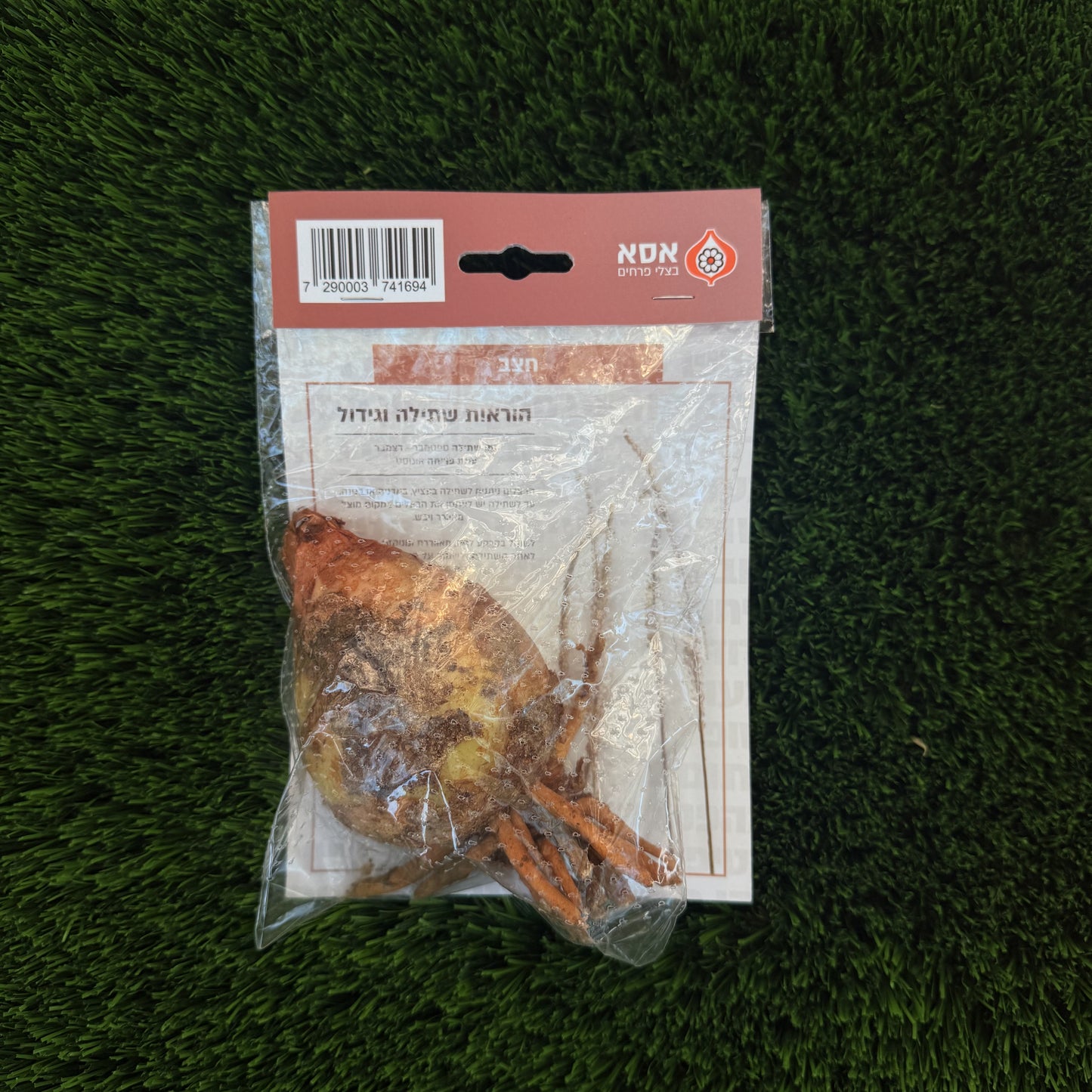
Sea squill for planting – 1 bulb

Sea squill for planting – 1 bulb

Regular price 25.00 ₪
Regular price Sale price 25.00 ₪
Sale Sold out
Including VAT
  • ✓ Vertical growth
  • ✓ Local character
  • ✓ Natural focal point in the garden
  • בקרת איכות מקצועית על כל מוצר לפני שליחתו
  • אריזה מוקפדת לבטיחות כל מוצר
  • משלוח עד הביתהאספקה מתבצעת בהתאם לאזורי החלוקה ולזמני האספקה
🔒 תשלום מאובטח📦 אריזה מוקפדת💬 ייעוץ אישי

מה צריך כדי לשתול את הפקעות?

מומלץ
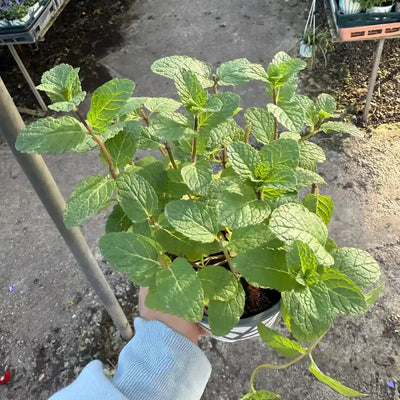
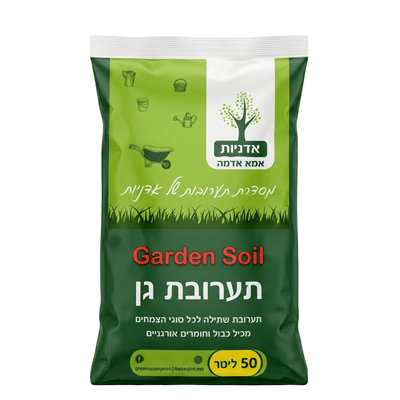
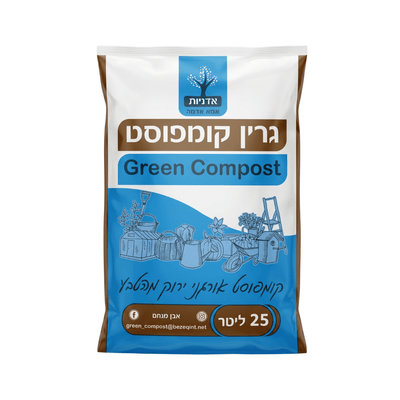
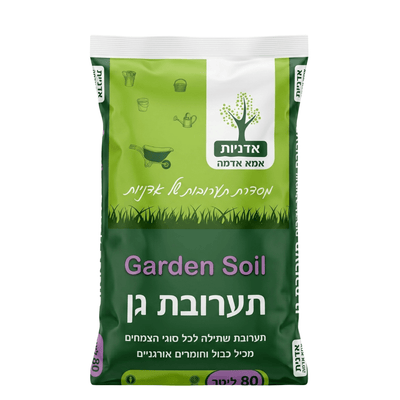
Potting mix, planting soil, fertilizer-enrichedמצע שתילה מנוקז לעציץ · 10 liters
22.50 ₪
Classic terracotta clay jugלשתילה במיכל עם ניקוז — בוחרים מידה לפי הסוג והכמות
החל מ־5.00 ₪
לבחירה
You are digging. לחפירה לפי העומק שמופיע על האריזה
22.00 ₪
  • אורשמש מלאה
  • השקיהמעטה
  • רמת גידולקל — מתאים למתחילים
  • מיקוםGarden and Pot · Full Sun
View full details

Full product description Click for description

📦
In the pack
1 bulb
Sea squill bulb for planting
🤍
Bloom
Late summer
Approx. August-September
🗓️
Planting
September-December
Bulb tip at ground level
☀️
Light
Full sun
Open and sunny spot
🏞️
Origin
Israeli wildflower
Flower spike of about 1 meter

🤍 Sea Squill - White flower spike signaling the end of summer

One Sea Squill (Chav) bulb for planting, in Asaf packaging. At the end of summer, a tall flower spike rises from the bulb—about a meter or sometimes more—with many small white flowers, even before the plant has leaves.

The Sea Squill is a well-known Israeli wildflower, whose bloom is identified with the end of summer and the arrival of autumn. After blooming, broad leaves appear that grow throughout the winter and dry out in the spring, while in the summer the bulb rests—without irrigation. Plant from September to December, leaving the tip of the bulb at ground level or slightly above it.

🤍 Why choose Sea Squill?

🏞️
Israeli flower

The Sea Squill is common in the wild in Israel and familiar to anyone who hikes at the end of summer.

📐
Tall flower spike

About a meter of white flowers - a tall and striking focal point in the garden, at a time when few plants are blooming.

🏜️
Water-saving

Adapted to Israel's dry summer: it rests during the summer and does not require irrigation.

🔁
Perennial

A bulb that has become established can bloom year after year in the same spot.

📜
Part of the local landscape

In the past, rows of Sea Squills were planted in Israel to mark boundaries between plots.

📍 Where to plant?

Important: The Sea Squill needs full sun and good drainage, and in the summer - no irrigation at all.

🏡 Sunny bed

With room for the flower spike

🪨 Rock garden

Good drainage

🌾 Water-wise garden

No summer irrigation

🛤️ Along a path

Tall focus in late summer

🪴 Large pot

Deep and wide, with drainage

⚠️ Avoid: Shade, wet soil, and drip irrigation operating in summer near the bulb - the bulb may rot.

🌱 Planting and care

🗓️
When to plant

September-December.
Until planting, keep the bulb in a shaded, dry, and ventilated place.

📏
Depth and spacing

Dig a hole about 10 cm deep, so that the tip of the bulb (the neck) remains at ground level or slightly above it.
Space about 30 cm from other plants.

🌍
Soil and drainage

Aerated and well-drained soil. In a pot - a large pot with a drainage hole.

💧
Irrigation

Water after planting. In winter, when leaves are present, rain is usually enough in the garden; in a pot, water moderately.
From spring, when leaves dry out, until the end of summer - do not water.

🔄
Annual cycle

End of summer: bloom, no leaves.
Autumn-winter: leaves. Spring: leaves dry out. Summer: dormancy.

📝 What is important to know

⏳ When is the first bloom

A bulb planted in the autumn produces roots and leaves in the winter, and the expected bloom is at the end of the following summer. It depends on the size of the bulb and establishment - sometimes an additional season is required.

🍂 Leaves dry out in spring

This is normal - the Sea Squill enters summer dormancy. Do not cut green leaves, and do not water in the summer.

🌿 Large leaves

The leaves of the Sea Squill are broad and long and can reach tens of centimeters - it is worth leaving them room.

📅 Estimated dates

The dates and height are an estimate, and depend on the region, weather, and growing conditions.

📋 Technical specifications

🏷️ Name Sea Squill (Chav)
🔬 Latin Name Drimia maritima (old name: Urginea maritima)
📦 Quantity in pack 1 bulb, in mesh packaging
🗓️ Planting season September-December
🤍 Blooming season Late summer (approx. August-September)
📏 Planting depth Hole of about 10 cm, top of the bulb at soil level
↔️ Spacing About 30 cm
☀️ Sun exposure Full sun
📐 Height at maturity About 100 cm (flower stalk)
💧 Watering Low; no watering in summer

❓ Frequently Asked Questions

❓ When does the Sea Squill bloom?

In late summer, around August-September, even before it has leaves. A bulb planted in the fall is intended for blooming late the following summer.

❓ How deep do you plant a Sea Squill?

Not deep: dig a hole of about 10 cm and place the bulb so that its top tip remains at ground level or slightly above.

❓ Do you need to water the Sea Squill in summer?

No. In summer, the bulb is dormant, and watering it could cause it to rot. Water only after planting, and in the winter—when there are leaves and not enough rain.

❓ Can you grow Sea Squill in a pot?

Yes, in a large, deep pot with a drainage hole, in a sunny spot. It is important not to water it in the summer.

❓ Why do the leaves dry out in spring?

This is its natural cycle: leaves in winter, dormancy in summer, and bloom in late summer. Do not cut green leaves—let them dry out on their own.

❓ Will it bloom every year?

An established Sea Squill can bloom year after year, but blooming depends on the size of the bulb and conditions; there are years when a bulb may not bloom.

🤍 In short - who is it for?

The Sea Squill is for those who want an Israeli wildflower in a water-efficient garden—a tall, white flower stalk in late summer, with no watering needed in summer. It requires full sun, good drainage, and patience for the first season.

💡 Tip: Mark the planting spot with a stick or a stone—the Sea Squill has no leaves in summer, so it is easy to forget where it is and accidentally dig it up.

📖

Practical Guide: How to Plant Bulbs and Flower Bulbs in Pots and Gardens

Step-by-step practical explanation, with tips and FAQs.
Read the full guide →

With over 330 Google reviews and a 4.8⭐ rating – you’re in good hands. ♥️