Skip To Product Info
1 of 1
4.8 · מבוסס על 330+ ביקורות בגוגל

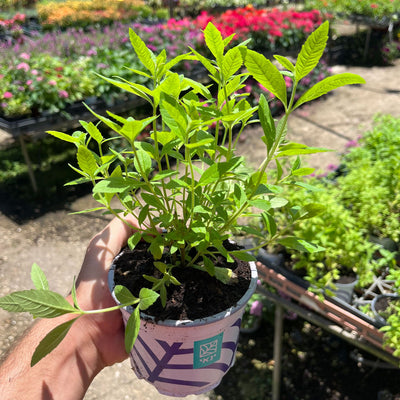
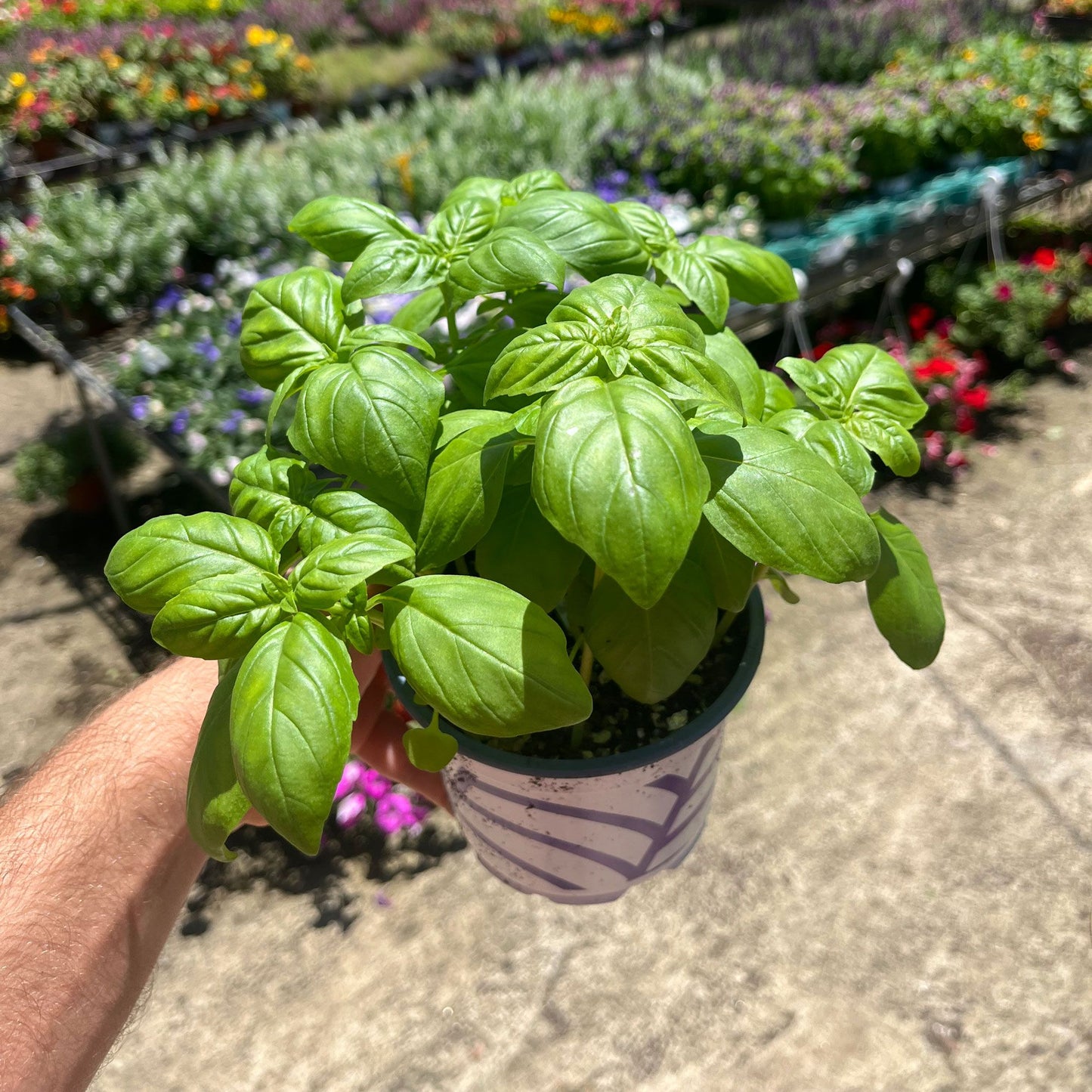
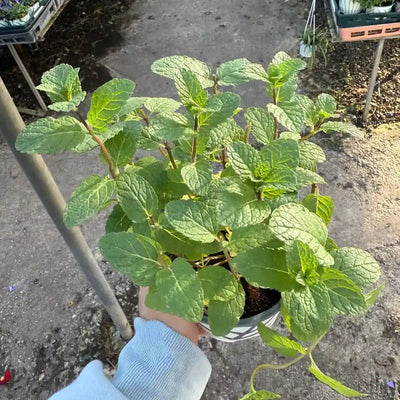
Basil, potted plant, 12 cm (perennial for the garden)

Basil, potted plant, 12 cm (perennial for the garden)

Regular price 10.50 ₪
Regular price Sale price 10.50 ₪
Sale Sold out
Including VAT
  • בקרת איכות מקצועית על כל מוצר לפני שליחתו
  • אריזה מוקפדת לבטיחות כל מוצר
  • משלוח עד הביתהאספקה מתבצעת בהתאם לאזורי החלוקה ולזמני האספקה
🔒 תשלום מאובטח📦 אריזה מוקפדת💬 ייעוץ אישי

משלימים לצמחי תבלין

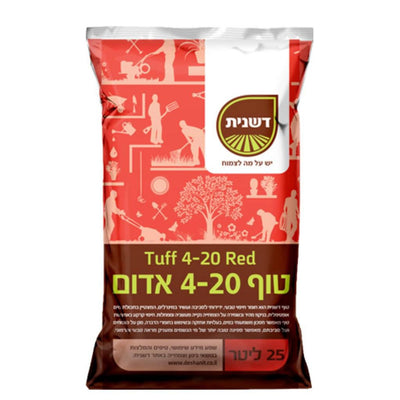
Fertilizer for spice and medicinal plants דשן שמתאים לצמחים שאוכלים
50.00 ₪
מומלץ
Wicker basketמתאים בדיוק לעציץ 12 ס״מ
החל מ־20.00 ₪
לבחירה
Migdal from the Northern Border 10 liter planting mix להעברה לעציץ גדול יותר
14.00 ₪
  • אורשמש מלאה
  • השקיהמרובה
  • רמת גידולקל — מתאים למתחילים
  • מיקוםBalcony and garden · Full sun, moist soil
View full details

Full product description Click for description

Basil - Ocimum basilicum
Location

Indoor or outdoor • Balcony planter • Herb garden

Lighting

Full sun • 6-8 hours of direct light per day

Watering

Regular • Keep soil moist but not soggy

Care Level

Easy • Suitable for beginners

Pets

✓ Pet-safe

Growing Conditions
Light: Full sun, 6-8 hours of direct light per day. Indoors - south-facing window or supplemental grow lights.
Watering: Regular - keep soil moist but not soggy. Water when the top layer (2-3 cm) dries out. Avoid watering over the leaves.
Soil: Well-draining soil rich in organic matter. Recommended pH: 6.0-7.5. Suitable for pots with drainage holes.
Temperature: Heat-loving, 18-30°C. Cold-sensitive - temperatures below 10°C will damage the plant. Bring inside before frost.
Fertilizer: Light feeder - light fertilization once or twice a season is sufficient. Excessive fertilizer impairs leaf flavor.
Common Problems
🍂 Yellowing, falling leaves

A sign of overwatering. Reduce watering and ensure proper drainage.

🥀 Wilting and drooping

Lack of water or excessive heat. Water and move to partial shade if too hot.

🦠 Brown spots on leaves

Fungal diseases such as Downy Mildew. Avoid watering over the leaves and ensure good ventilation.

🌸 Premature flowering

The plant enters its seed-producing stage and stops growing leaves. Pinch off flowers as soon as they appear.

Special Benefits
🍳 Excellent culinary herb 🌿 Fragrant and aromatic 💚 Rich in antioxidants 🐾 Pet-safe 🍅 Great companion plant for tomatoes ❄️ Can be frozen for future use
Plant Information
Scientific Name

Ocimum basilicum

Family

Lamiaceae

Origin

India, tropical Asia

Height

30-60 cm

Plant Type

Annual (or perennial in ideal conditions)

USDA Hardiness Zones

10-11 (as a perennial)

Popular Varieties

Genovese, Thai, Lemon, Purple

Uses

Pesto, salads, pasta, pizza, sauces

Pro Tip

The secret to lush basil is proper pruning! Regularly pinch off the top tips to encourage dense, bushy growth. When flowers appear, remove them immediately; otherwise, the plant will stop producing new leaves. Always harvest from the bottom up, leaving at least two pairs of leaves on each stem.

❓ Frequently Asked Questions

❓ How often should I water basil?

Regular watering – keep the soil moist but not soggy, and water when the top 2-3 cm dry out. It is recommended to avoid getting the leaves themselves wet.

❓ What kind of lighting does basil need?

Full sun, about 6-8 hours of direct light per day. Indoors – a south-facing window or supplemental grow lights.

❓ Where should I place the pot?

Outdoors on a balcony or in a sun-drenched herb garden, or indoors on a bright windowsill.

❓ Is it suitable for beginners?

Yes, basil is easy to grow and perfect for beginners. The most important thing is not to overwater and to provide full sun.

❓ The plant is starting to flower and has stopped producing new leaves – what should I do?

When flowers appear, pinch and remove them immediately. Flowering indicates that the plant is shifting to seed production and slowing down leaf growth.

❓ How do I keep the plant bushy and dense?

Regularly pinch the stem tips and harvest leaves from top to bottom, leaving at least two pairs of leaves on each stem.

❓ The leaves are turning yellow or have spots – why?

Yellow leaves usually indicate overwatering – reduce watering and check drainage. Brown spots may indicate a fungal disease – avoid wetting the leaves and ensure good ventilation.

📖

Want to dive deeper? The Complete Basil Guide

Everything you need to know about caring for the plant – light, watering, fertilization, and common issues – all in one guide.
Read the full guide ←

With over 330 Google reviews and a 4.8⭐ rating – you’re in good hands. ♥️