Skip To Product Info
1 of 2
4.8 · מבוסס על 330+ ביקורות בגוגל

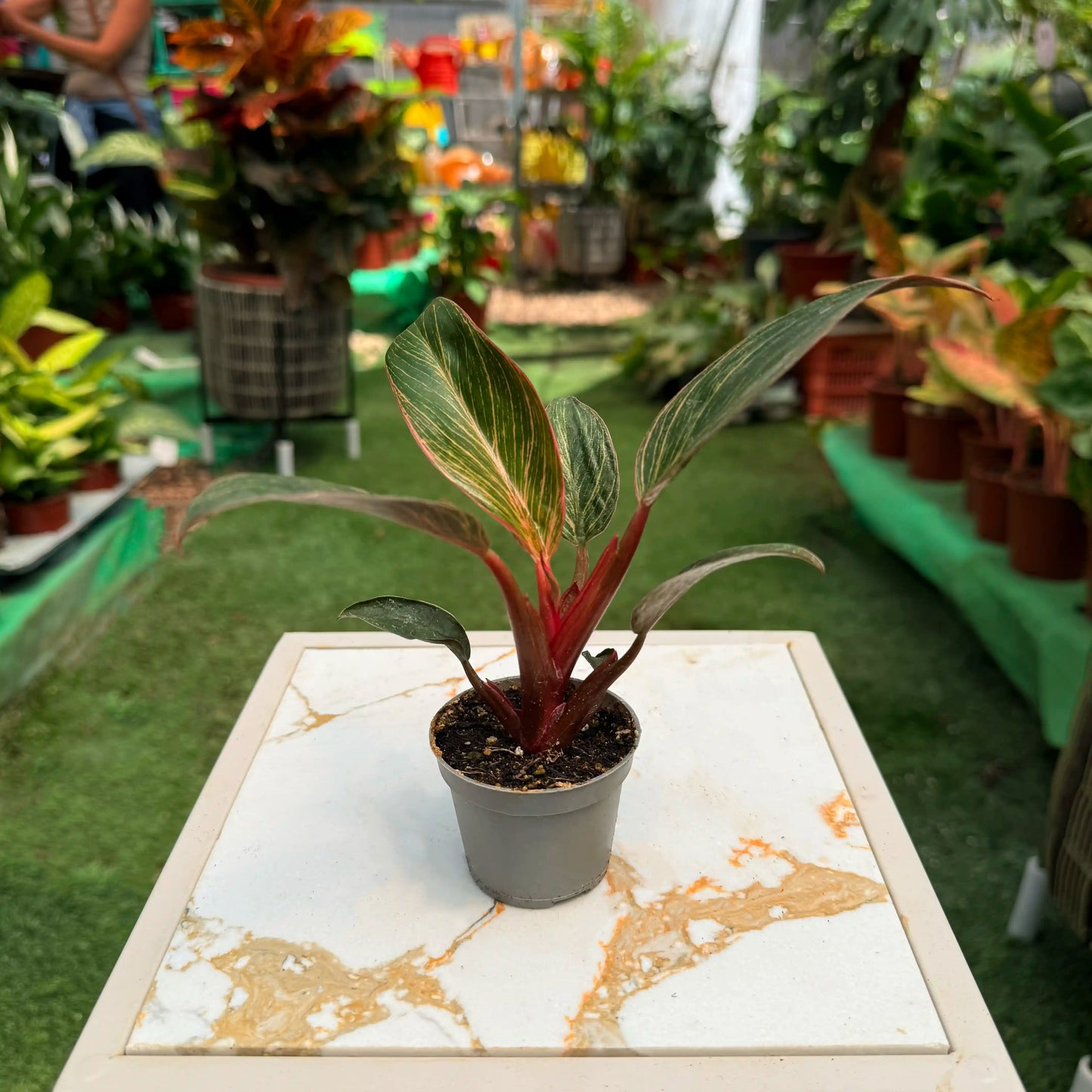
Philodendron Pink Bikini, pot diameter 6 cm

Philodendron Pink Bikini, pot diameter 6 cm

Regular price 65.00 ₪
Regular price Sale price 65.00 ₪
Sale Sold out
Including VAT
  • בקרת איכות מקצועית על כל מוצר לפני שליחתו
  • אריזה מוקפדת לבטיחות כל מוצר
  • משלוח עד הביתהאספקה מתבצעת בהתאם לאזורי החלוקה ולזמני האספקה
🔒 תשלום מאובטח📦 אריזה מוקפדת💬 ייעוץ אישי

משלימים לצמח הטרופי

Spray bottleלהעלאת הלחות סביב העלים
15.00 ₪
מומלץ
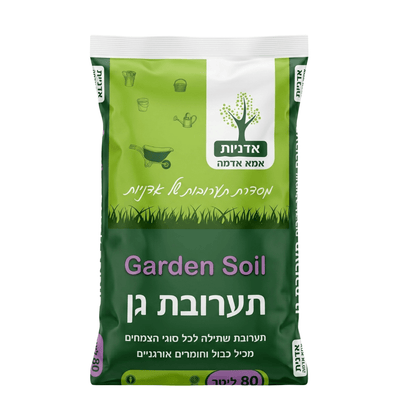
Aroid Mix 30 Liters Soil-basedמצע מאוורר לצמחים טרופיים
70.00 ₪
Stimulating fertilizer drops for houseplants and herbs כמה טיפות למים בכל השקייה
12.00 ₪
  • אורBright indirect light · The variegated color requires strong light (not direct sun)
  • השקיהבינונית
  • רמת גידולבינוני
  • מיקוםHome · Bright indirect light
View full details

Full product description Click for description

PHILODENDRON BIRKIN PINK
🌸 Philodendron Pink Birkin
Pink, cream, and white pinstripes on dark green — compact, upright, and stunning
🇳🇱 Directly imported from the Netherlands
☀️
Light
Bright indirect light — east or west-facing window. Essential for maintaining the pink stripes
💧
Watering
Approx. 100–150 ml once a week — when the top few centimeters of soil are dry
🌡️
Temperature
18–28°C — tropical plant. Do not expose to cold below 15°C
🏠
Suitable for...
Indoor use only — beginner-friendly. Compact and ideal for a windowsill, shelf, or desk
💨
Humidity
Thrives in standard household humidity — a humidifier will help it grow faster
🎨
What is Pink Birkin? It is a cultivar of the Philodendron Birkin — a compact, upright plant that does not climb. Unlike the Pink Princess, it features fine pink, cream, and white pinstripes on a dark green, glossy background — not blotches. Every leaf that opens is different from the last: sometimes intense pink, sometimes thin stripes, always surprising. Maximum indoor height: approx. 50–70 cm.
📖 About the plant — what makes it unique? ▼

The Philodendron Pink Birkin (also known as Pink Birkin) is a horticultural variety from the Birkin group. Its exact origin is uncertain: according to the NC State University plant database, the Birkin is considered either a rare mutation of the Philodendron 'Rojo Congo' or a cross between the 'Congo' and 'Imperial Green' varieties — both versions trace back to the Congo. The Pink Birkin itself is a sport that originated from the Birkin. The Philodendron genus originates from tropical America.

What makes it unique: unlike most popular Philodendrons, it is upright and non-climbing — no moss pole needed, it won't spread. It grows upwards in a clean, orderly fashion, making it ideal for any space in the home.

Its variegation is unstable and variable — every new leaf displays a different pattern. There are leaves with intense pink stripes, some with shades of cream and ivory, and even dark green leaves without stripes in between. That is part of the magic.

🌸 How to care for the variegated leaves? ▼

The pink and cream areas on the leaf produce almost no energy: measurements on variegated leaves of this type show no photosynthetic activity in the lighter areas, so all energy production falls on the green parts. Therefore, the plant needs bright, indirect light — enough light so that the green parts can sustain both sections.

Best placement: Near an east-facing window with gentle morning light, or a west-facing window with a sheer curtain. Strong direct sun will burn the light areas of the leaf.

Tip: Rotate the pot a quarter turn every two weeks — this ensures all sides get equal light and the plant grows symmetrically.

💧 Watering and soil ▼

Watering: When the top few centimeters of the soil are dry — that’s the time. Usually once a week in summer, less in winter. About 100–150 ml for a medium pot. Important: The Pink Birkin develops a dense root system relative to its size — it fills a pot quickly and will need repotting sooner than you might expect. Overly dense roots inhibit new leaf growth.

Soil: Well-draining aroid mix — houseplant soil with perlite and bark. Do not let the soil remain wet for long periods.

🌱 Fertilizing and repotting ▼

Fertilizing: Balanced liquid fertilizer for tropical plants, every 2–3 weeks during the growing season (spring–summer) at half the recommended dosage. Regular fertilization will help the color intensity of the leaves. Do not fertilize in winter or during the first month after the plant arrives home.

Repotting: Unlike many plants, the Pink Birkin fills its pot relatively quickly. Check the roots once a year — if they are coming out of the drainage holes, it is time to move to a pot only 2–3 cm larger.

Frequently Asked Questions
What is the difference between Pink Birkin and Pink Princess? +
Two completely different plants. The Pink Princess is a climbing philodendron with large pink blotches on dark green. The Pink Birkin is an upright, compact plant with fine stripes in shades of pink, cream, and white — not blotches. It is also easier to care for and does not require support like a moss pole.
Is the plant suitable for beginners? +
Yes — relatively. It is easier than the Pink Princess and most rare variegated varieties. Anyone who understands the principle of measured watering and places it near a bright window will succeed perfectly. The important point to remember is that it fills its pot quickly and will need repotting sooner rather than later.
Why did green leaves grow without stripes? +
That is the nature of the variety. The variegation of the Birkin is unstable — every new leaf opens with its own pattern, and sometimes an almost completely green leaf will appear. This is a trait of the variety and not a care error, and it cannot be directed through watering or fertilizing. What is in your hands: bright and indirect light, without strong direct sun that burns the light areas.
Does the plant arrive in a pot? +

The plant arrives in a plastic grower's pot — and our recommendation is to leave it in the original pot. A grower's pot is designed exactly for this: maintaining the plant, optimal drainage, and aeration of the soil — far better than most decorative pots (except for terracotta).

So how do you combine it with a beautiful pot? Simple — insert the grower's pot as-is inside the decorative pot. No need to plant, no need to touch the roots. And if tomorrow you want a pot in a different style — take it out, put it in a new pot, done.

We have a large selection of pots and decorative planters in the store — you can add to your order.

📖

Want to dive deeper? The complete guide to Philodendron

Everything you need to know about caring for the plant - light, watering, fertilizing, and common problems - in one guide.
Read the full guide →

With over 330 Google reviews and a 4.8⭐ rating – you’re in good hands. ♥️