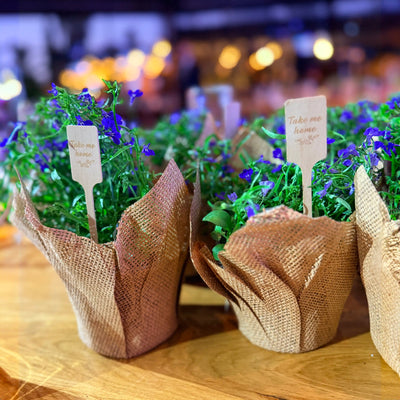
- Light: Partial shade to filtered sun. Not strong direct sun!
- Watering: Regular - likes moist but not wet soil
- Soil: rich, slightly acidic (pH 5.5-6.5), well-drained
- Temperature: Sensitive to cold! Not below 10°C. Suitable for warm areas
- Humidity: Likes high humidity
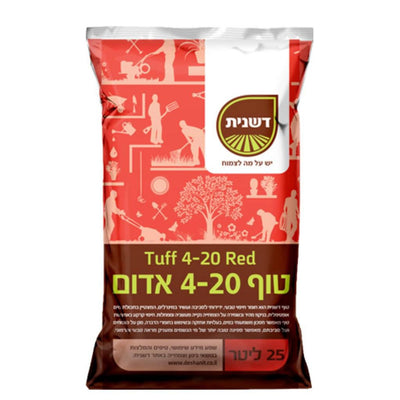
- Fertilization: Fertilizer for acidic plants once a month in spring-summer
- Pruning: After flowering to shape and encourage next bloom
- Location: Protected from winds and cold
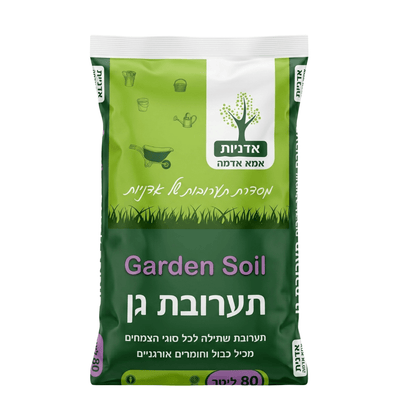
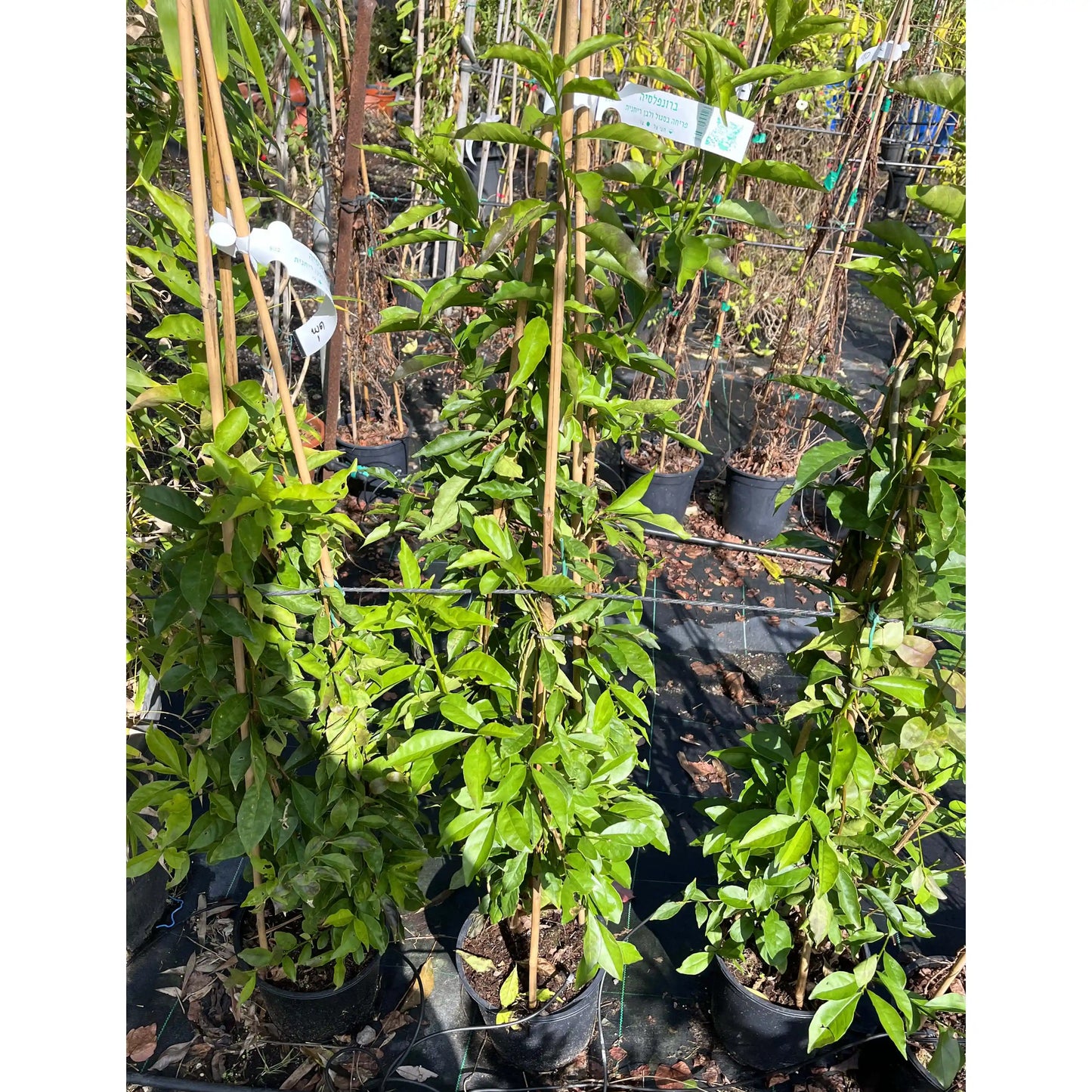
Bronflasia, pot diameter 24 cm (10 liters) (perennial for the garden)
- בקרת איכות מקצועית על כל מוצר לפני שליחתו
- אריזה מוקפדת לבטיחות כל מוצר
- משלוח עד הביתהאספקה מתבצעת בהתאם לאזורי החלוקה ולזמני האספקה
משלימים לצמח מטפס
- אורשמש מלאה עד צל חלקי
- השקיהבינונית
- רמת גידולבינוני
- מיקוםגינה · שיח פורח

תיאור מלא של המוצר לחץ לתיאור
Bronfolsia (Yesterday-Today-Tomorrow) is a spectacular ornamental shrub with flowers that magically change color! The flowers open deep purple, turn lavender on the second day, and white on the third day - hence the name "Yesterday-Today-Tomorrow". On the bush you can see flowers in all three colors at the same time! An evergreen shrub with rich, fragrant blooms.
🌱 Growing conditions
⚠️ Common problems and solutions
- Yellow leaves: Overwatering, poor drainage, or soil not acidic enough
- No flowering: lack of light or inappropriate fertilization
- Leaf drop: water stress, cold, or sudden change in conditions
- Chlorosis (yellow leaves with green veins): Iron deficiency - add iron or lower pH
- Frost damage: Cover in winter or move to a portable pot
- Aphids: Check under the leaves and on the tops. Treat with potassium soap.
- Red spider: In dry air. Spraying leaves helps
- Flour mill: In conditions of high humidity and density. Improve ventilation.
💚 Why grow Bronflasia?
- 🎨 Color-changing flowers: purple → lavender → white - natural magic!
- 🌸 Three colors at the same time: a spectacular and unique look
- 👃 Fragrant: Sweet and delicate scent, especially in the evening
- 🌿 Evergreen: Green foliage all year round
- 🦋 Butterfly attractant: source of nectar for butterflies and bees
- 📏 Controlled size: 1-2 meters - suitable for small gardens
- 🏠 Possible pot: Can be grown in a large pot
- 🎁 Focal point: always attracts attention!
📋 Plant information
- Scientific name: Brunfelsia pauciflora (and other species)
- Family: Solanaceae (the nightshade family - like tomatoes!)
- Origin: South America (Brazil, Peru, Venezuela)
- Height at maturity: 1-2 meters (up to 3 meters in ideal conditions)
- Growth rate: Medium
- Plant type: Evergreen shrub
- Flowering: Spring and early summer (April-June)
- Other names: Yesterday-Today-Tomorrow, Morning-Noon-Night, Lady-of-the-Night
- 📏 The height is that of the mature plant – the size it reaches over time, not the size it is shipped at.
🌈 Popular strains
- B. pauciflora: most common - large flowers, abundant flowering
- 'Floribunda': Extremely abundant flowering
- 'Macrantha': larger flowers
- B. americana: "Lady-of-the-Night" - very fragrant at night
- B. grandiflora: Huge flowers - up to 10 cm!
- B. lactea: white flowers with a yellow center
✂️ Plant propagation
- Stem cuttings: the most common and easiest way
- When? Spring or early summer
- How? Cut a half-grown stem 10-15 cm long
- Preparation: Remove lower leaves, dip in rooting hormone
- Planting: Perlite and peat mixture, warm and humid place
- Implantation: 4-8 weeks
- Seeds: Possible but slower and more complex
- Blessing: Low stems taking root in the ground
Important to know: All parts of the Bronchella plant (leaves, flowers, fruits, and seeds) contain substances that can cause significant discomfort if swallowed. Plant in a location that is inaccessible to pets and small children.
The secret to abundant blooms? Acidic soil! Use fertilizer for azaleas and gardenias, or add sulfur to the soil. Preventing jaundice: If the leaves turn yellow with green veins (chlorosis), add iron chelate. Proper pruning: Prune immediately after flowering - the plant blooms on new wood! Winter in Israel: In cold areas (Jerusalem, mountains), grow in a portable pot or cover in winter. In the coastal and lowland areas - usually survives well. Shady location: Although it loves light, strong direct sunlight may burn the leaves.