Skip To Product Info
1 of 2
4.8 · מבוסס על 330+ ביקורות בגוגל

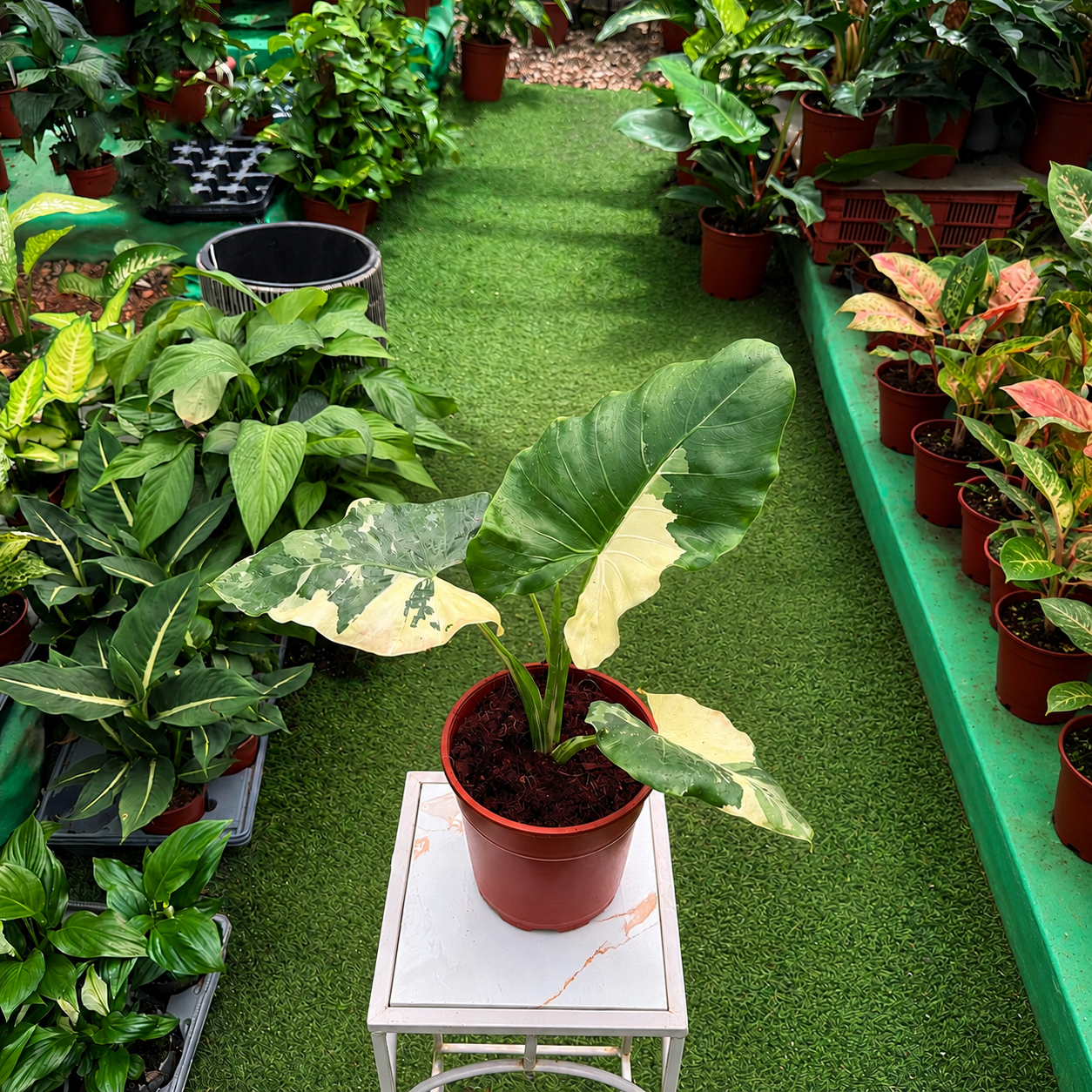
Variegated Alocasia macrorrhiza, 3-liter pot

Variegated Alocasia macrorrhiza, 3-liter pot

Regular price 250.00 ₪
Regular price Sale price 250.00 ₪
Sale Sold out
Including VAT

אין פה שני עלים זהים

  • בקרת איכות מקצועית על כל מוצר לפני שליחתו
  • אריזה מוקפדת לבטיחות כל מוצר
  • משלוח עד הביתהאספקה מתבצעת בהתאם לאזורי החלוקה ולזמני האספקה
🔒 תשלום מאובטח📦 אריזה מוקפדת💬 ייעוץ אישי

משלימים לצמח הטרופי

Spray bottleלהעלאת הלחות סביב העלים
15.00 ₪
מומלץ
Marble jug קוטר 24 — מקום לשורשים לגדול · Diameter 24 cm
72.00 ₪
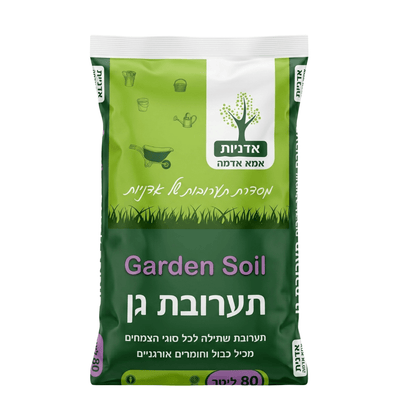
Aroid Mix 30 Liters Soil-basedמצע מאוורר לצמחים טרופיים
70.00 ₪
  • אורחצי צל / אור מסונן
  • השקיהבינונית
  • רמת גידולמתקדם
  • מיקוםHome · Indirect light and humidity
View full details

Full product description Click for description

ALOCASIA MACRORRHIZA VARIEGATA | Variegated Elephant Ear
🐘 Variegated Alocasia Macrorrhiza
Giant dark green and ivory white leaves — one of the rarest and most dramatic plants for collectors
💎 Rare collector's plant | 🌿 Tropical Aroid | 🏆 Elephant Ear
☀️
Light
Bright indirect light — a southern window with a curtain or an eastern exposure. Essential for maintaining variegation. In low light, it will lose the white.
💧
Watering
When the top 2–3 cm are dry — water deeply. Variegation makes it highly sensitive to overwatering.
🌡️
Temperature
18–30°C — Tropical, native to Southeast Asia. Not below 15°C; keep away from direct air conditioning.
🏠
Ideal for...
Indoors only — a floor plant for a bright corner. Suitable for intermediate plant parents and Aroid enthusiasts.
💨
Humidity
High humidity — at least 60%. A humidifier is essential. In low humidity, leaf edges will blacken.
🐘
Variegated Elephant Ear — Why is it so rare? The Alocasia Macrorrhiza is a massive woody plant that can reach 4 meters. The variegated cultivar is rare because every leaf is unique — a different, non-repeating combination of dark green and ivory white. The white areas lack chlorophyll, meaning each white leaf that grows represents energy provided by the mother plant from its green parts. A plant that tells a story with every new leaf.
☀️ Light and Variegation — The Critical Connection ▼

The white areas on the leaf lack chlorophyll — only the green parts are capable of photosynthesis. Therefore, the plant needs more light than a regular green Alocasia to gain enough energy.

In low light: The plant will produce greener leaves with less white, attempting to compensate for the lack of energy. In good light: The variegation is striking and impressive.

Ideal placement: A south-facing window with a sheer curtain, or an east-facing window. At least 6–8 hours of indirect light per day.

💧 Watering — The Most Sensitive Issue ▼

The white areas show stress long before the green ones. If you see blackening on the white edges, it is an early warning of a problem (excess salts, dryness, or rot).

The rule: Water when the top 2–3 cm are dry. No sooner — variegation causes high sensitivity to root rot.

Recommended: Bottom watering — place in a tray of water for 20 minutes. This method ensures uniform moisture and prevents rot.

💨 Humidity — The Greatest Need ▼

The variegated Alocasia requires humidity of at least 60% — this is not a suggestion, it is a necessity. In low humidity, the leaf edges will blacken, and the white variegation will look tired and dull.

Humidifier: The most worthwhile investment for this plant. Grouping it with other plants also increases local humidity.

Gentle wiping: Wipe the leaves with a damp cloth once a week — this removes dust and allows the plant to "breathe" through the large leaf surface.

🌱 Soil, Fertilizing, and Repotting ▼

Soil: A "chunky" mix for aroids — coco coir, bark, perlite. The soil must drain quickly. Avoid heavy soil.

Fertilizing: Balanced liquid fertilizer, every 4 weeks during the growing season (spring–summer), at half the recommended dose. Do not fertilize in winter. Important: Do not fertilize dry soil — always water first.

Repotting: Only when roots are growing out of the drainage holes — the plant likes to sit "snug." Increase pot size by only 2 cm. Do not plant in a pot that is too large.

Frequently Asked Questions
Is the plant suitable for beginners? +
Not really — variegation adds a layer of sensitivity. Those who understand the principles of proper watering for aroids and are willing to invest in a humidifier will succeed. Not suitable for those looking for a "set it and forget it" plant.
A completely white leaf appeared — what's happening? +
A completely white leaf ("ghost leaf") is rare and stunning but lacks chlorophyll entirely. The plant can support one such leaf — but a sequence of white leaves will weaken it. Increase light and ensure there are enough green leaves to provide energy.
The leaf edges are turning black — what happened? +
Common causes: too low humidity, water with high fluoride/chlorine, or salt buildup from fertilizer. Try using rainwater or water that has sat out overnight, add a humidifier, and reduce fertilizer to half-dose.
Does the plant come in a pot? +

The plant arrives in a plastic nursery pot — and our recommendation is to keep it there. A nursery pot provides optimal drainage and aeration. Note: do not move to a pot that is too large — variegated Alocasia likes to sit snug.

We have a large selection of pots and decorative planters in our store — you can add them to your order.

📖

Want to go deeper? The complete guide to Elephant Ear (Alocasia)

Everything you need to know about caring for this plant - light, water, fertilizer, and common problems - in one guide.
Read the full guide ←

With over 330 Google reviews and a 4.8⭐ rating – you’re in good hands. ♥️