🐰 Bunny Ear Cactus | The Complete Guide to Growing and Care
 המוצר מהמדריך זמין באתר
Bunny ear cactus, 9 cm pot diameter
30.00 ₪
📋 Quick Summary - Everything you need to know at a glance
Full to partial sun
At least 6 hours of direct light
Very sparse
Only when the soil is completely dry
Very easy!
Great for beginners
Cactus (Succulent)
Flat pads, water storing
15-40 cm in a pot
Slow growth, up to about 60-90 cm over the years
🐰 Getting to know the plant
Names and Identification
- Hebrew name: Bunny Ears (Bunny Ears Cactus)
- Scientific name: Opuntia microdasys
- English: Bunny Ears Cactus, Polka-dot Cactus, Angel's Wings
- Family: Cactaceae
- Genus: Opuntia
Origin and Background
The plant originates from central and northern Mexico, where it grows as a low, dense cactus shrub. It has become naturalized (and considered invasive in some places) in parts of East Africa as well. The Bunny Ears cactus won the Royal Horticultural Society's (RHS) Award of Garden Merit and is one of the most popular cacti in the world for container growing – thanks to the cute pads that look like rabbit ears when the plant is young.
Unique Characteristics
- 🐰 Flat and rounded pads that grow in pairs and look like bunny ears in the young plant
- ✨ Small golden dots (areoles) covered in tiny glochid bristles instead of "regular" spines
- 🐌 Slow growth rate - stays compact in a pot for many years
- 💧 Fleshy body that stores water - easily tolerates long periods of drought
- 🌼 Rare bloom in indoor growing - when it appears, it is yellow
⚠️ Don't get confused!
- Opuntia rufida ("Cinnamon Bunny Ears"): A very close relative – some botanists even consider it the same species – with reddish-brown/cinnamon-hued bristles instead of golden ones. It is also sold in Israel under the name "Bunny Ears," and its care is almost exactly the same.
- White variety: There is also a variety called var. albispina with cream-white bristles instead of golden ones – the exact same plant in terms of care, just a different bristle shade.
💚 Why choose Bunny Ears
🌵 Varieties and Types
Opuntia microdasys - The most common variety, light golden bristles on green pads
var. albispina - The exact same plant, with cream-white bristles
Opuntia rufida - A relative with reddish-brown bristles, also sold in Israel under the same common name
🌤️ Detailed Growing Conditions
☀️ Light
- Full to partial sun - at least 6 hours of direct light per day
- Ideal indoor location: Southern or eastern windowsill, sunny balcony
- In the hot Israeli summer, you can provide light shading during the hottest midday hours for young plants to prevent sunburn
- Insufficient light causes the pads to stretch and look pale (etiolation)
💧 Watering
Every 2-3 weeks, only when the soil is completely dry
Almost never - once a month or less, dormant period
How to know when to water: Insert a finger 3-4 cm deep into the soil. If it is completely dry – water thoroughly until water comes out of the drainage holes, then wait until the soil dries out completely again. Overwatering is the #1 cause of death for this plant.
🌡️ Temperature
Loves heat - the ideal range is about 18-30°C, which is exactly what the Israeli summer provides. ⚠️ Frost warning: The plant is not frost-resistant and is sensitive to temperatures close to 0°C. In colder regions of Israel (Jerusalem hills, Upper Galilee, valleys), it is recommended to bring pots inside or cover them on cold winter nights. In the central, southern, and coastal regions, it can grow outside all year round without any issues.
🌍 Soil
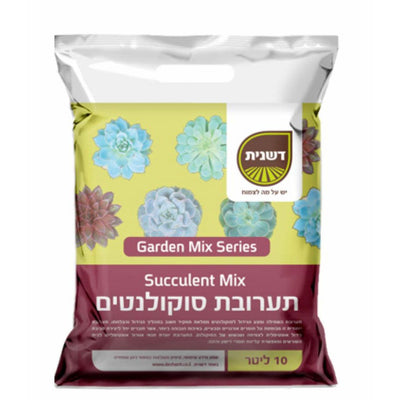
- Fast-draining mix - soil dedicated to cacti/succulents, or regular soil enriched with perlite/coarse sand/pumice
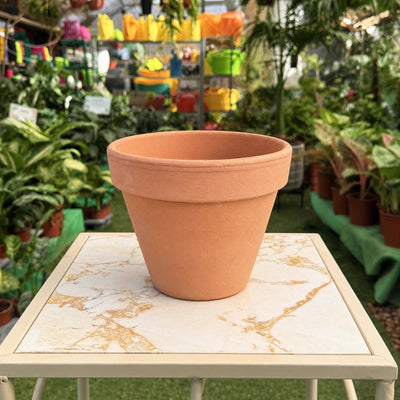
- Good drainage is critical - a pot with drainage holes is a must, otherwise, there is a high risk of root rot
- Not sensitive to pH - tolerates acidic to neutral soil
🌱 Fertilizing
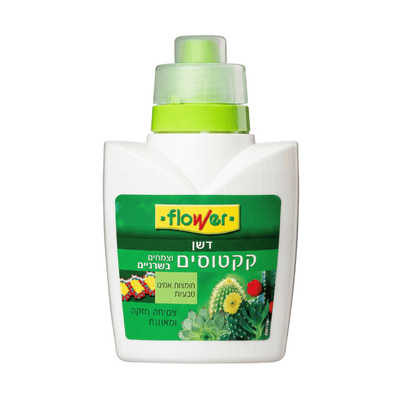
Light, diluted fertilization occasionally, during the active growth season only, with a dedicated cactus and succulent fertilizer (low in nitrogen, diluted according to the manufacturer's instructions)
No fertilizer at all - this is the plant's dormant period
✂️ Maintenance
Bunny Ears rarely requires pruning – it is a slow-growing cactus. Routine maintenance consists of removing damaged or rotten pads with long tongs (not by hand!), and occasionally dusting the pads. Thanks to the slow growth, there is no need to repot frequently – transfer to a larger pot only when the roots fill it completely, and preferably in the spring.
🌿 Propagation
- Choose a mature and healthy pad, with no signs of rot or injury
- Using long tongs only - never with bare hands - twist and gently detach the pad at the junction, or cut with a clean, sharp knife
- Place the pad in a shady and dry place for a few days up to a week, until the cut wound "callouses" and dries completely - a critical step to prevent rot
- Plant the calloused end in a draining cactus mix, without watering immediately
- Wait a few more days before the first watering, then water only moderately
- Roots start to develop within a few weeks; until then, place in a location with bright light but no strong, direct sun
🔧 Common Problems and Solutions
🦠 Root/Stem Rot
Symptom: The pads become soft, brown-black, sometimes with an unpleasant odor.
Cause: Overwatering, poor drainage, especially during the cold and wet winter.
Solution: Remove from the pot, cut away rotten parts, let dry thoroughly, and repot in a draining mix; reduce watering.
🍂 Shriveled Pads
Symptom: The pads look soft and wrinkled.
Cause: Usually a root problem (from rot) that prevents proper water absorption, and sometimes extreme dehydration.
Solution: Check the roots and adjust the watering regime accordingly.
☀️ Light Spots (Sunburn)
Symptom: White-yellow or brown spots, mainly in the summer.
Cause: Sudden change from shade to strong, direct sun.
Solution: Acclimate the plant to the sun gradually, not with sudden changes.
🌱 Stretched and Pale Growth
Symptom: The pads stretch, look pale, and lack color.
Cause: Insufficient light.
Solution: Gradually move to a sunnier location.
🐛 Pests
The most common pests on Bunny Ears are mealybugs (white cotton-like clumps) and scale insects (small scales stuck to the pads). Treatment: Gently wipe with isopropyl alcohol on a cotton swab, or spray with a dedicated insecticidal soap; it is recommended to quarantine new plants for a few weeks before introducing them to the rest of the collection.
❓ Frequently Asked Questions
In the summer, approximately every 2-3 weeks, and only when the soil is completely dry. In the winter, almost never - once a month or less. Overwatering is the #1 cause of death for the plant.
Usually, this is actually a sign of a root problem (typically rot from overwatering) preventing the plant from absorbing water properly, and sometimes it can be extreme dehydration. It is worth checking the roots.
Always use long tongs or thick leather gloves - never with bare hands or thin cloth gloves that the glochids can penetrate.
Yes, in the central, southern, and coastal regions, definitely. In colder regions (Jerusalem hills, Upper Galilee, valleys), it is advisable to be careful of frost on cold winter nights and bring pots inside when necessary.
The easiest way: detach a mature pad with tongs, let the cut wound "callouse" for a few days to a week in a shady place, then plant in a draining cactus mix without watering immediately.
📊 Summary Table
| Category | Details |
|---|---|
| ☀️ Light | Full to partial sun, at least 6 hours of direct light |
| 💧 Watering | Very sparse - every 2-3 weeks in summer (only when completely dry), almost none in winter |
| 🌡️ Temperature | 18-30°C ideal, not frost-resistant |
| 💦 Humidity | Not sensitive - desert plant, does not need high humidity |
| 🌍 Soil | Fast-draining cactus/succulent mix, with good drainage in the pot |
| 🌱 Fertilizing | Light and sparse, only in the growing season (spring-summer), dedicated cactus fertilizer |
| 📏 Size | In a pot approx. 15-40 cm (slow growth); can reach 60-90 cm over time |
| 📊 Difficulty Level | Very easy - great for beginners |
🛒 Shop Deco Garden
🌿 Deco Garden - A Love for Plants
Have a question about Bunny Ears or any other plant? The Deco Garden team is here for you - contact us and we'll be happy to help your plant thrive.
© 2026 Deco Garden - All rights reserved
This guide was written by the Deco Garden expert team
🛒 המוצרים מהמדריך
הצמחים והמוצרים שהמדריך מדבר עליהם — לחיצה על כרטיס מעבירה לעמוד המוצר.