👑 Crown of Thorns (Euphorbia milii) | The Complete Guide to Growing and Care
 המוצר מהמדריך זמין באתר
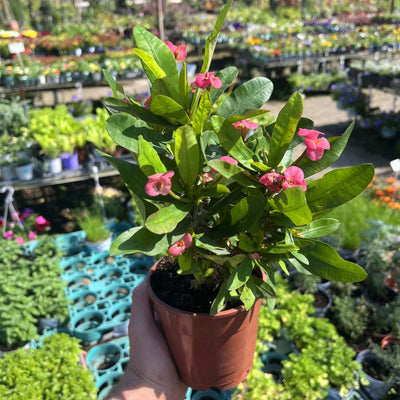
Perennial prickly milkweed
36.00 ₪
📋 Quick Summary - Everything you need to know at a glance
Full sun
The more sun it gets, the more it blooms
Very little
Let the soil dry out almost completely between waterings
Easy, suitable for beginners
A forgiving succulent
Thorny succulent
Succulent shrub, evergreen
In a pot up to ~60 cm
In ideal conditions, can reach 90-180 cm, slow growth
🌱 Getting to know the plant
Names and Identification
- Hebrew name: Halavluv Kotzani (also known as "Crown of Thorns")
- Scientific name: Euphorbia milii (old synonym: Euphorbia splendens)
- English: Crown of Thorns
- Family: Euphorbiaceae
- Type: Thorny succulent shrub, evergreen
Origin and Background
The plant originates from Madagascar, where it grows in the wild on rock formations (mainly granite) at varying altitudes. The name "Crown of Thorns" is linked in popular tradition to the crown of thorns in the New Testament story – according to that tradition, the plant was brought to our region even before the common era, and its flexible stems were used for weaving. Today, it is one of the most popular flowering succulents for gardening in Israel, thanks to its addiction to strong sun and our dry conditions.
Unique Characteristics
- 💪 Resistant to extreme drought - A succulent that stores water in its fleshy stems
- 🌸 Blooms almost all year round in warm conditions - the colorful bracts (the "pseudo-flowers") remain on the plant for a long time
- 🌵 Sharp, hard thorns along the entire stems - the plant's natural defense
- 🐢 Slow growth rate - A patient plant that isn't rushing anywhere
🤔 Important to know: It's not a cactus!
Because of its thorns and fleshy body, the Crown of Thorns is often confused with cacti, but it belongs to an entirely different family (Euphorbiaceae, compared to Cactaceae).
💚 Why choose a Crown of Thorns?
🎨 Common colors and shapes
In the Crown of Thorns, the bracts (the colorful leaves that surround the small, inconspicuous flower in their center) come in a variety of colors, and there are also varieties with different growth forms:
The most common and classic color
Delicate shades
Bright and striking in the sun
And sometimes bicolor
There are also varieties with a low and wide growth habit compared to taller, more upright varieties. It is better to buy a mature plant with a color and shape you like - home propagation is very slow (see below).
🌤️ Detailed growing conditions
☀️ Light
- Full sun - the more direct sun the plant gets, the more it will bloom and be more compact and dense
- Can also tolerate partial shade, but then blooming will be sparse and growth will be more sprawling
- Recommended location at home: window sill or southern/eastern corner with plenty of direct light
💧 Watering
Rule of thumb: very little watering. Wet and cold soil can be fatal to the plant, and root rot is the most common reason for its death.
Moderate and regular watering, but only after the soil has dried out almost completely
Reduce significantly, keep dry - this is the season when excess water is most dangerous
How do you know when to water? Check with a finger 3-4 cm into the soil - if dry, you can water. It is better to miss and water a little too late than to overwater.
🌡️ Temperature
Loves heat and sun - this is exactly what the Israeli summer provides. Very sensitive to frost: From around 1-2 degrees Celsius, the plant can be severely damaged, and in prolonged cold or low lighting, leaves may fall off. In cold areas of the country (mountains, valleys, Upper Galilee), it is recommended to grow in a pot and bring it indoors or protect it during the winter; in hot areas, it can stay outside all year round.
🌍 Soil
- Excellent drainage is a mandatory requirement - heavy, slow-draining soil will cause rot
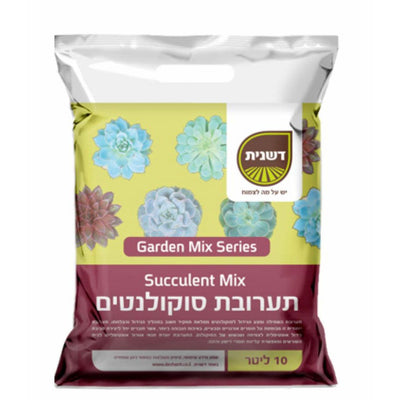
- Recommended medium: basic soil mixture with gravel/perlite (for example, about 3 parts soil to 1 part gravel) - standard succulent/cactus mix is perfectly suitable
- Can also tolerate poor rocky and sandy soil
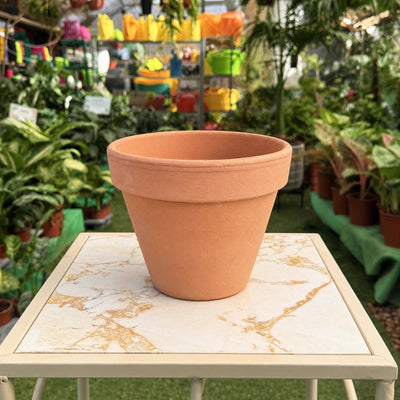
- A pot with drainage holes at the bottom is mandatory
🌿 Fertilization
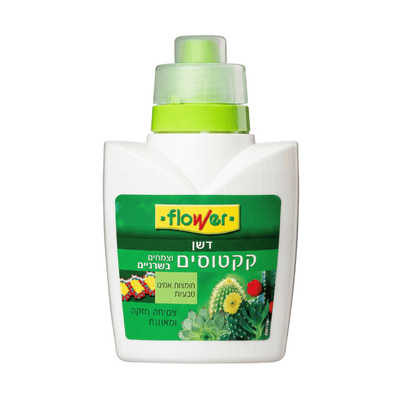
Low-nitrogen liquid fertilizer, once a month
No need for fertilizer - the plant is at rest
✂️ Pruning and maintenance
- When: Late winter to early spring is the best time for shaping pruning
- Why: Gentle pruning encourages branching and denser growth, subsequently leading to richer blooming
- What to prune: Dry or damaged stems, and stems that have grown excessively long
🌱 Propagation
- Wear work gloves (mandatory!) and cut a healthy stem cutting several centimeters long, using a clean and sharp cutting tool
- Let the cut "scab" over and dry (the milky sap should stop completely) before planting - this significantly reduces the risk of rot
- Plant in a well-draining medium (succulent mix/gravel) and water very sparingly until rooted
- Keep in bright indirect light until you see signs of new growth, and only then return to normal watering
Important to know: Propagation from cuttings is possible but very slow. If you want a larger and blooming plant faster - it is better to buy a mature sapling.
🔧 Common problems and solutions
🍂 Leaf drop
Cause: Cold or too little light.
Solution: Move to a warmer and brighter place, avoid placing near a cold window in winter.
🦠 Stem and root rot
Cause: Overwatering and poor drainage.
Solution: Reduce watering immediately, ensure drainage holes, and in severe cases - cut off the rotted part and re-plant a healthy section.
🌸 No blooming / sparse blooming
Cause: Insufficient light.
Solution: Move to a place with direct sun - this is the most significant change for encouraging blooming.
🪴 Plant stretching and losing shape
Cause: Insufficient light causing stems to "seek" light.
Solution: Move to stronger light and prune the elongated stems.
🐛 Pests
Usually a relatively resistant plant, but occasionally mealybugs, scale insects, spider mites (red mites), and thrips may appear.
How to handle safely?
- 🧤 Work with the plant (pruning, repotting, propagation) only with thick gloves
- 🧼 Wash hands thoroughly immediately after any contact, before touching the face and eyes
❓ Frequently asked questions
Only after the soil has dried out almost completely - in summer this can be more frequent than in winter, where it is best to reduce significantly. The safe rule: if in doubt, it is better not to water.
The most common reason is a lack of sufficient direct sunlight. Moving it to a place with full sun is the first step to encouraging blooming.
No. It is a cold-sensitive plant that suffers damage at temperatures near zero. In cold areas of the country, it is recommended to grow it in a pot and protect it during winter or bring it inside.
Usually due to cold or low lighting. This is a natural reaction of the plant to stress - move to a warmer and brighter place.
Always with thick work gloves, and you can wrap the stems in folded newspaper or an old towel to hold the plant without direct contact with the thorns.
📊 Summary table
| Category | Details |
|---|---|
| ☀️ Light | Full sun - the more, the better the blooming |
| 💧 Watering | Very little; only when the soil is almost completely dry; reduce even more in winter |
| 🌡️ Temperature | Loves heat; very sensitive to frost and cold (below 1-2°C) |
| 💦 Humidity | No special requirements - adapts well to dry air |
| 🌍 Soil | Well-draining, succulent/gravel substrate |
| 🌿 Fertilization | Low-nitrogen, liquid, once a month in spring-summer; not in winter |
| 📏 Size | In a pot up to ~60 cm; under ideal conditions 90-180 cm, slow growth |
| 📊 Difficulty Level | Easy, suitable for beginners |
| ✨ Special | Blooms almost year-round in heat; one of the most water-efficient succulents for Israeli gardening |
🛒 Shop Deco Garden
🌿 Deco Garden - A Love for Plants
Have a question about Crown of Thorns or another plant? The Deco Garden team is here for you - we'd be happy to help you grow successfully.
© 2026 Deco Garden - All rights reserved
The guide was written by the Deco Garden expert team
🛒 המוצרים מהמדריך
הצמחים והמוצרים שהמדריך מדבר עליהם — לחיצה על כרטיס מעבירה לעמוד המוצר.