💄 Aeschynanthus (Lipstick Plant) | The Complete Growing and Care Guide
 המוצר מהמדריך זמין באתר
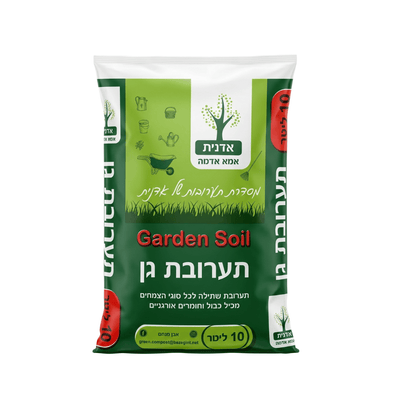
Migdal from the Northern Border 10 liter planting mix
14.00 ₪
המוצר מהמדריך זמין באתר
Migdal from the Northern Border 10 liter planting mix
14.00 ₪
📋 Quick Summary - Everything you need to know at a glance
Bright indirect light
Gentle morning sun, no afternoon sun
Moderate
When top 2-3 cm are dry
Easy-Moderate
Rewarding and impressive blooming
Trailing epiphytic plant
Succulent leaves, red flowers
Trailing stems
Up to 50-90 cm long
🌱 Introduction to the Plant
Names and Identification
- Hebrew name: Aeschynanthus / Lipstick Plant (Our variety: 'Mona Lisa')
- Scientific name: Aeschynanthus radicans (Synonyms: A. lobbianus, A. pulcher)
- English: Lipstick Plant / Lipstick Vine
- Family: Gesneriaceae — The African Violet family
- Type: Trailing houseplant, tropical epiphyte
Origin and Background
The Aeschynanthus originates from the tropical rainforests of Southeast Asia (Thailand, Malaysia, Sumatra, and Borneo), where it grows as an epiphyte — clinging to tree trunks and trailing its stems downwards. The name "Lipstick Plant" stems from the dark-red buds that emerge from a tubular calyx, looking just like a lipstick being opened. At home, it becomes a stunning hanging plant, and at the peak of its bloom, it covers itself in dozens of bright red flowers.
Unique Characteristics
- 💄 "Lipstick" Red Bloom: Long tubular flowers in shades of crimson-red with a yellowish throat.
- 🌿 Trailing Stems: Perfect for a hanging basket or a high shelf — the leaves peek out and trail downwards.
- 💪 Succulent and Shiny Leaves: Store water, making the plant more forgiving than most houseplants before needing to be watered.
- 🔁 Rewarding: With proper light and light pruning, it returns to bloom, year after year.
💚 Why choose the Aeschynanthus?
Red lipstick flowers that are irreplaceable in the living room.
A star in hanging baskets, shelves, and high cabinets.
Succulent leaves that store water and forgive you for late watering.
Thrives near a bright window — without needing strong sun.
Suited for the local climate — indoors, beautiful in every season.
🎨 Varieties and Types
The Aeschynanthus genus includes dozens of varieties, which differ mainly in leaf shape and bloom color. These are the most common ones:
'Mona Lisa'
The classic and popular variety — the one we grow at Deco Garden. Shiny dark-green leaves and generous red bloom.'Rasta' (Twister)
Curled and twisted leaves that are particularly decorative — a "curly" trailing effect.'Curly'
A version with smaller wavy leaves, dense and full.'Black Pagoda'
Leaves with a dark "tiger skin" pattern on the back of the leaf and rusty-orange blooms.💡 All varieties grow the same way — if you know how to care for 'Mona Lisa', you'll know how to care for them all.
🌤️ Detailed Growing Conditions
☀️ Light
- Bright, indirect light is the secret to blooming. The ideal location: near an east or west-facing window, or a meter or two away from a bright south-facing window.
- Some gentle morning sun is excellent and even encourages blooming. But direct afternoon sun will burn the leaves and leave brown spots.
- Too little light = few or no flowers, and "bare" and long stems. If the plant is not blooming, the first reason to check is the amount of light.
💧 Watering
The succulent leaves store water, which is why the Aeschynanthus is much more sensitive to over-watering than to under-watering. Over-watering = root rot.
About 1-2 times a week — when the top 2-3 cm dry out.
Reduce significantly. Drier soil in winter even encourages bud formation for blooming.
How do you know when to water? Stick a finger 2-3 cm into the soil. Dry — water thoroughly until water comes out from the bottom. Still damp — wait. Always ensure good drainage and do not leave water in the saucer.
🌡️ Temperature
Loves heat and stability. The ideal range is 18-27°C. Below 12-13°C the plant enters distress and drops leaves.
⚠️ Cold and Frost Warning: This is a tropical plant that is not frost-tolerant. Keep away from cold drafts (open window in winter, air conditioning outlet) and sharp temperature changes — they are the #1 cause for leaf and bud drop. Indoors, this is a year-round indoor plant.
💦 Humidity
- As a native of the rainforest, it loves humidity of 50-60% or more. The dry air of the summer can dry out the tips of its leaves.
- Increase humidity with a pebble tray with water under the pot, a humidifier, or placing the plant next to other plants. Gentle misting around the leaves helps — but do not get the flowers wet.
🌍 Soil
- A well-draining and organic-rich medium. Excellent mix: potting soil for indoor plants with a bit of sphagnum/coco peat and perlite or charcoal, for aeration and drainage.
- As an epiphyte, it hates "wet feet" — avoid heavy, compressed soil that stores water. A pot with drainage holes is a must.
🌿 Fertilization
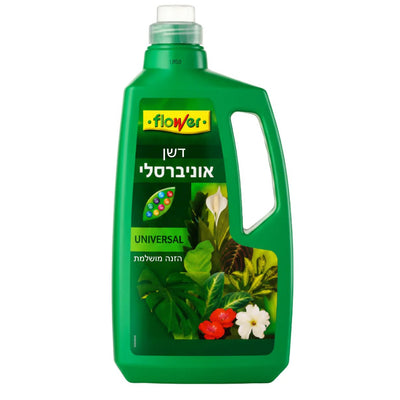
Balanced liquid fertilizer at half the recommended dose, about once a month. Supports foliage and blooming.
Stop fertilizing. The plant is resting, and this is the time when buds are set for spring blooming.
✂️ Pruning and Maintenance
- 💄 Prune after blooming: After a blooming cycle ends, trim the stems (up to about a third). This encourages branching, keeps the plant full, and invites new blooms.
- 🌿 Prevent "baldness": Lightly nipping the tips of the stems throughout the season keeps the plant dense rather than long and empty in the center.
- 🚫 Do not move during budding: When buds begin to form, do not move the plant to a different location — a change in conditions causes it to drop them before they bloom.
🌱 Propagation (How to make a new seedling)
- Cut a soft stem cutting 8-10 cm long, with at least 3 nodes.
- Remove the lower leaves and leave 2-3 leaves at the tip.
- You can (not required) dip the base in rooting hormone.
- Stick into a draining and moist mix (perlite + vermiculite or potting mix) and keep in a warm, indirectly lit place.
- Roots usually develop within about two weeks. Afterward, transfer to a permanent pot.
💡 Tip: Planting several cuttings in the same pot gives a much fuller and more impressive plant much faster.
🔧 Common Problems and Solutions
🌸 Not blooming
Cause: Usually too little light, or a lack of a cooler and drier rest period in winter.
Solution: Move closer to a bright window (bright indirect light) and give it a slightly cooler and drier winter for bud formation.
🍂 Leaf / Bud drop
Cause: Cold drafts, sharp temperature change, or moving the plant during budding.
Solution: Place in a warm and stable spot, away from AC and cold windows, and do not move during blooming.
💧 Yellow / Soft leaves
Cause: Over-watering and root rot — the most common problem.
Solution: Let the top 2-3 cm dry out between waterings, ensure drainage, and reduce water in winter.
🥀 Brown and dry leaf tips
Cause: Air that is too dry (summer) or strong direct sun.
Solution: Increase humidity (pebble tray/misting), and keep away from direct afternoon sun.
📏 Long and "bare" stems
Cause: Not enough light, and lack of pruning.
Solution: Move to brighter light and prune/nip the tips to encourage branching.
🐛 Pests
In indoor conditions, the Aeschynanthus is relatively resistant, but it is worth checking from time to time:
- Aphids and Mealybugs: White/sticky clusters on stems and leaf undersides. Treat with horticultural oil/soap and re-inspect.
- Scale insects: Brown "bumps" on the stem — remove manually and spray.
- Spider mites (especially in dry air): Fine webs and yellowing. Increase humidity and spray.
- Fungal rot (Botrytis/leaf spot): Prevent by keeping leaves dry, ventilating well, and not getting the flowers wet.
❓ Frequently Asked Questions
When the top 2-3 cm of soil are dry to the touch — in summer about 1-2 times a week, and less in winter. It is sensitive to over-watering, so it is better slightly "thirsty" than too wet.
Almost always due to too little light. Move it closer to a bright window with bright indirect light. A slightly cooler and drier winter period also helps set buds for spring blooming.
The common cause is cold drafts, sharp temperature changes, or over/under-watering. Place in a warm and stable spot, away from AC and cold windows, and ensure balanced watering.
Gentle morning sun — yes, and it is even desirable for blooming. Strong direct afternoon sun — no, it burns the leaves. Ensure bright but indirect light.
Absolutely — this is one of its most beautiful uses. The trailing stems look stunning in a hanging basket or on a high shelf, and the red flowers "peek" downwards.
📊 Summary Table
| Category | Details |
|---|---|
| ☀️ Light | Bright filtered light; gentle morning sun is fine, no direct afternoon sun |
| 💧 Watering | When the top 2-3 cm are dry; sensitive to overwatering; less in winter |
| 🌡️ Temperature | 18-27°C; not below 12-13°C; sensitive to cold and frost |
| 💦 Humidity | High, 50-60% or more; pebble tray/fine misting |
| 🌍 Soil | Well-draining, rich in organic matter, with perlite/sphagnum |
| 🌿 Fertilization | Half dosage, once a month in spring-summer; stop in winter |
| 📏 Size | Trailing stems up to 50-90 cm; perfect for a hanging basket |
| 📊 Difficulty Level | Easy-moderate; very rewarding in bloom |
| ✨ Special | Red "lipstick" flowers; prune after blooming for a fuller plant |
🛒 Shop at Deco Garden
Want a trailing, blooming Aeschynanthus at home? Here is what you should consider:
🌿 Deco Garden - A Love for Plants
Give it bright light, moderate water, and a bit of warmth — and it will reward you with red lipstick-like blooms that will steal the show in any home.
Have a question about your plant? The Deco Garden team is here for you. 🌱
© 2026 Deco Garden - All rights reserved
This guide was written by the expert team at Deco Garden
🛒 המוצרים מהמדריך
הצמחים והמוצרים שהמדריך מדבר עליהם — לחיצה על כרטיס מעבירה לעמוד המוצר.