- Light: Full sun to full shade! Very flexible - one of the big advantages
- Watering: Regular watering in the first year, after establishment - drought resistant
- Temperature: Resistant to heat and cold (down to -10ยฐC). Perfect for the Israeli climate
- Soil: Adapts to almost any type. Well-drained is preferred, tolerates calcareous soil
- Fertilization: Almost not needed! Light organic fertilizer in spring if desired
- Pruning: Tolerates pruning well. Prune to shape after flowering (spring)
- Wind and salinity: Resistant to winds and coastal conditions
Moran, a perennial forest plant for the garden
ืชื ืื ืืฉืืื
ืืฉืืื ืืืจืฆืืืย ื2 ืืื ืขืกืงืื, ืืขืจืื ืืืจืืช ืืืื ืืช ืฉื ืืขืืจ ืืืื, ใ คใ คใ คใ คใ คใ คใ คใ คใ คใ คใ คใ ค ืืชืืื ืืช ืืืชืจ ืื ืืืืืฉื ืืืื
ืื ืื ืฉืืฆืื ืืืืฉ ืฉืื ืฆืจืื ๐ฑ

ืชืืืืจ ืืื ืฉื ืืืืฆืจ ืืืฅ ืืชืืืืจ
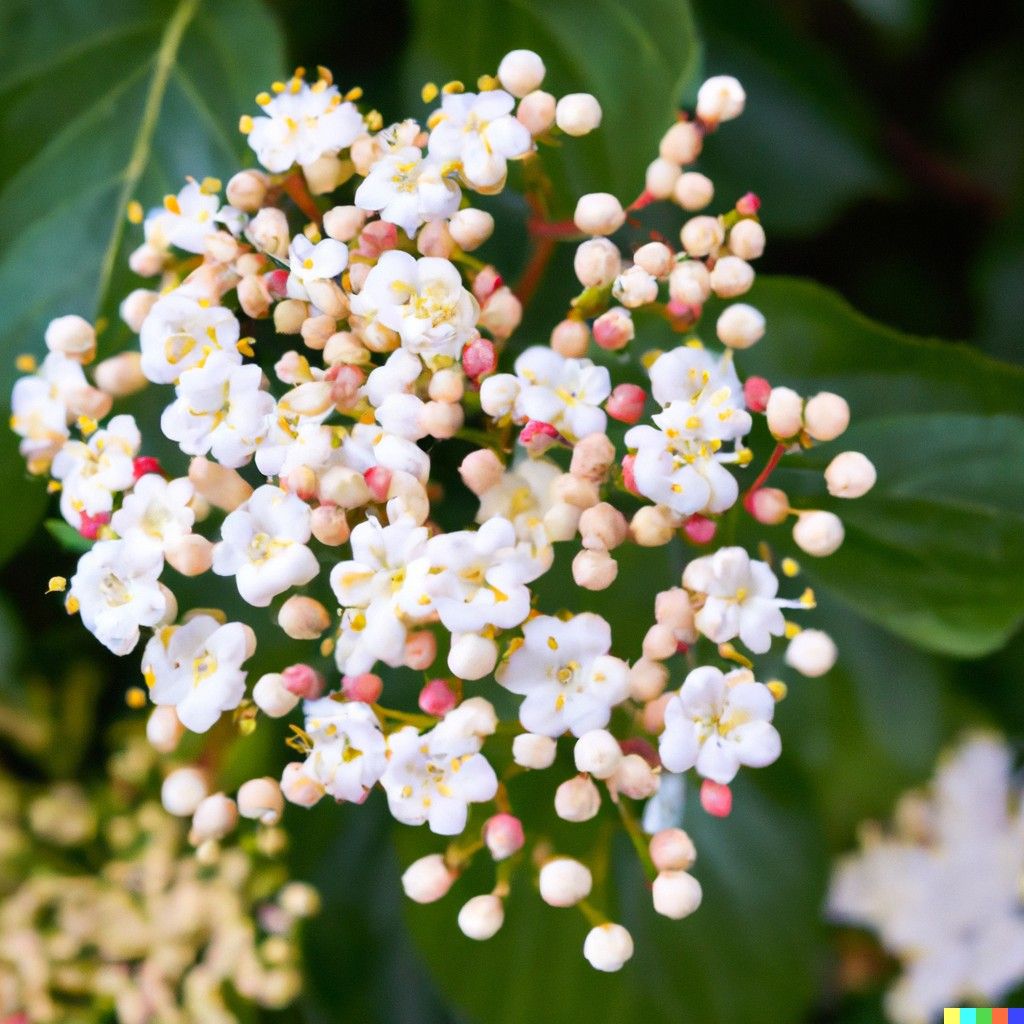
The forest moran (Laurosthenus) is a beautiful evergreen shrub that grows wild in the Mediterranean forests of Israel! Spectacular white-pink blooms in the dead of winter, when most of the garden is "sleeping" - followed by stunning blue-metallic berries. A native plant, hardy, easy to grow and perfect for a dense hedge or as a solitary plant that brings life to the garden in the cold season!
๐ฑ Growing conditions
โ ๏ธ Common problems and solutions
- Sparse flowering: Too much shade or pruning at the wrong time. Prune after flowering only.
- Yellow leaves: usually overwatering or poor drainage
- Leaf spots: Fungal diseases in high humidity conditions. Improve ventilation.
- Aphids: Check at the leaf nodes. Treat with potassium soap.
- Leaves falling: Natural in small amounts. If a lot falls out - check watering.
- Sparse growth: Prune to encourage density - Moran responds well to pruning
- Moran Beetle: A Unique Pest - Check for Chewed Leaves and Treat Accordingly
๐ Why grow Moran Horesh?
- ๐ธ Winter blooms: white-pink flowers precisely when the garden is "sleeping"!
- ๐ Metallic berries: spectacular blue-black fruits after flowering
- ๐ฎ๐ฑ Local plant: grows wild in Israel - perfectly adapted to the climate
- ๐ฟ Evergreen: Dark, shiny green foliage all year round
- ๐ฆ Attracts wildlife: flowers for bees, berries for birds
- ๐ง Water saving: Drought resistant after establishment
- โ๏ธ๐ Flexibility in light: One of the few plants that succeeds even in full shade!
- โ๏ธ Perfect fence: dense, evergreen, easy to design
- ๐ฌ๏ธ Durable: Tolerates wind, salinity and air pollution
๐ Plant information
- Scientific name: Viburnum tinus
- Family: Adoxaceae (Moranid family)
- Origin: Mediterranean Basin - including Israel!
- Height: 2-4 meters
- Width: 2-3 meters
- Growth rate: Medium
- Plant type: Evergreen shrub
- Flowering: Winter-early spring (December-March)
- Other names: Laurustinus
๐ Popular varieties
- 'Eve Price': The most popular variety! Compact, vibrant pink buds, abundant blooms
- 'Gwenllian': compact with dark pink buds and white flowers
- 'Spring Bouquet': Extremely dense and compact - excellent for low hedges
- 'Variegatum': green and cream mottled leaves - extremely decorative
- 'Lucidum': Larger, shinier leaves
- The natural variety: Israeli Moran - durable and perfectly adapted!
๐จ Garden uses
- Hedge: Excellent! Plant 80-100 cm apart for a dense hedge
- Privacy screen: Dense growth and good height for blocking views
- Single plant: Impressive as an accent plant in the garden
- Shade Garden: One of the few flowering plants that thrive in the shade!
- Mediterranean garden: blends in perfectly with local wild plants
- Bird Garden: Berries Attract Birds in Winter
- Large pot: Can be grown in a container on a spacious balcony
The secret to abundant flowering? Don't prune in the fall! The buds are already formed in summer-fall, so autumn pruning will harm the flowering. Prune only after flowering in the spring. Shade garden? Moran is one of the few flowering shrubs that also succeeds in heavy shade - take advantage of this! A winning combination: blends beautifully with other Mediterranean wild plants: woodland cress, gum goddess, common moss. For a bird garden: Leave the berries on the bush - they are an important source of food for birds in the winter!