

🎨 Coleus | The Complete Guide to Growing and Care
 המוצר מהמדריך זמין באתר
A seasonal summer-spring coleus for a shady garden or a bright house
10.50 ₪
📋 Quick Summary - Everything you need to know at a glance
Sun to partial shade
Modern varieties tolerate sun; classic varieties love partial shade
Frequent and regular
Wilts quickly if the soil dries out
Easy
Excellent for beginners
Herbaceous perennial
In Israel, usually grown as a summer annual
Approx. 30-90 cm
Height and width, depending on variety and pruning
🌱 Getting to know the plant
Names and Identification
- Hebrew name: Coleus
- Scientific name: Plectranthus scutellarioides
- Synonyms: Coleus blumei, Solenostemon scutellarioides
- English: Coleus, Painted Nettle, Flame Nettle
- Family: Lamiaceae - the mint family
- Type: Herbaceous, slightly woody at the base, fast-growing and spreading
Origin and Background
The Coleus originates from Southeast Asia to Australia, growing wild in regions such as the island of Java, Thailand, the Philippines, and Queensland. In nature, it is a perennial plant, but because it is very sensitive to frost, it is grown throughout most of the world (including Israel) as a seasonal plant for summer and spring. The plant has been known and grown for centuries for its colorful and diverse foliage, and hundreds of different varieties and shades have been developed using it.
Unique Characteristics
- 🎨 The most colorful plant in gardening - leaves in combinations of purple, red, orange, pink, green, and yellow, sometimes several shades on the same leaf
- 🌱 Fast growth - fills a pot or flower bed within a few short weeks
- 🌸 Flowering is not the reason for growing - the bluish-purple flowers are small and modest, and are usually removed to preserve the beauty of the foliage
- ✂️ Responds excellently to pinching and pruning - the more you prune, the denser and richer the plant becomes
- 💦 Wilts quickly when dry - a clear and easy indication of when it needs watering
- 🌿 Extremely easy propagation - roots very easily from cuttings in water, even in a glass on a windowsill
⚠️ Note the confusion in names
The scientific name of the Coleus has been changed several times by botanists over the years - on various websites and nurseries, you will find it under Coleus blumei, Solenostemon scutellarioides, or Plectranthus scutellarioides (the currently accepted name). It is the exact same plant. It is also important not to confuse it with "Cuban oregano" (Plectranthus amboinicus) - an edible herb and relative, but completely different from the ornamental colorful Coleus in this guide.
💚 Why choose Coleus
Thousands of possible color combinations
Grows and fills out very quickly
Where "regular" flowers won't bloom
Forgiving and easy to maintain
One cutting = many new plants
Pot, planter, flower bed, or houseplant
🌈 Types of Coleus - what you need to know before buying
Coleus is not one variety but a vast family of hundreds of varieties and shades. It is important to know the two main groups before choosing a growing location:
🌳 Classic Coleus (Shade)
The traditional varieties - their colors are more intense and saturated in partial shade or diffused light, and they are liable to "burn" and fade in strong, direct sun.
☀️ Sun Coleus
Modern varieties developed specifically to tolerate direct to full sun without burning - suitable for balconies and exposed gardens, though they also enjoy light shading during the harsh afternoon hours of the Israeli summer.
🪴 Upright Coleus
The most common form - grows in an upright, spreading habit; excellent for pots, flower beds, and filling out colorful mass.
🌊 Creeping/Trailing Coleus
Varieties with trailing stems, perfect for hanging baskets and tall pots.
Check Garden to find our colorful seasonal Coleus, ready for immediate planting at home or in the garden.
🌤️ Detailed growing conditions
☀️ Light
- Classic varieties love partial shade or bright, diffused light - the colors are at their most intense and saturated in partial shade, not in full sun
- "Sun Coleus" varieties tolerate direct to full sun, but even they can burn in the extreme sun of the Israeli summer - light shading is recommended between 12:00 PM and 4:00 PM during the hot summer months
- At home: location with bright, indirect light near a window, not strong direct sun through glass
- Too little light causes elongated, sparse stems and fading colors
💧 Watering
Coleus loves consistently moist soil and wilts very quickly once it dries out - this is a hallmark trait of the plant that makes it easy to monitor.
Frequent watering, usually every 2-3 days in a pot, or even daily in extreme heat and heatwaves
Reduce frequency, but do not let the soil dry out completely
How to know when to water: Touch the top centimeter of soil with your finger - if it is dry, it's time to water. Limp, drooping leaves are a clear and almost immediate sign of thirst - water as soon as possible.
🌡️ Temperature
Coleus loves heat and humidity and feels best in warm, summery temperatures. It is very sensitive to cold - the first frost in autumn kills it completely. In Israel, this means it is effectively grown as a seasonal plant for spring-summer: in hot cities, you can try leaving it outside during a mild winter, but in the Jerusalem hills, the valleys, and cold areas, it is required to bring it inside, grow it in a portable pot, or take cuttings from it before winter and start over in the spring.
🌍 Soil
- Light, rich in organic matter, and well-drained soil
- Heavy soil or poor drainage causes stunted growth, leaf yellowing, and even root rot
- In a pot - high-quality potting mix with good drainage is recommended
🌿 Fertilization
Regular fertilization, every 2-4 weeks, with a balanced fertilizer focusing on nitrogen for rich foliage. It is better to avoid high-phosphorus bloom fertilizers - they encourage flowering and elongation instead of dense foliage
Stop or greatly reduce fertilization - the plant is at rest or damaged by the cold
✂️ Pruning and Maintenance
Regularly pinch the tips of the young branches with your fingers - this encourages branching and keeps the plant dense and rich instead of having single, elongated stems
As soon as a bluish-purple flower spike appears, it is recommended to remove it - this way the energy remains in the colorful foliage and is not wasted on flowers without ornamental significance
🌿 Propagation
Coleus is considered one of the easiest plants to propagate - the most popular and simple way is cuttings in water:
- Cut a 10-15 cm long cutting from the tip of a healthy branch, below a leaf node
- Remove the lower leaves so only 2-4 upper leaves remain
- Place the cutting in a clean glass of water, so the lower node is submerged
- Place in a location with bright, indirect light and change the water every few days
- Roots usually start to appear within about two weeks, and sometimes up to six weeks for full rooting
- When the root system is sufficiently developed - plant in soil in a drained pot
You can also plant cuttings directly into moist potting mix, as well as grow from seeds (germination takes about 10-15 days in warm temperatures).
🔧 Common problems and solutions
😢 Limp and wilting leaves
Cause: Soil too dry.
Solution: Water immediately and ensure more regular watering in the future.
🔥 Faded or "burnt" leaves
Cause: Strong, direct sun, especially in classic varieties.
Solution: Move to diffused light or partial shade.
📏 Elongated and sparse stems
Cause: Too little light, or no pinching performed.
Solution: Move to a brighter location and pinch tips regularly.
🍂 Yellow leaves or base rot
Cause: Overwatering or poor drainage.
Solution: Reduce watering and ensure the pot is well-drained.
🐛 Pests
The most common pests on Coleus are aphids, whiteflies, mealybugs, and spider mites. When grown outdoors, slugs may also appear. Treatment with neem oil or insecticidal soap is usually sufficient in mild cases.
❓ Frequently asked questions
In summer - usually every 2-3 days, and even daily in extreme heat. The simple rule: touch the top centimeter of soil - if dry, water. Limp leaves are a clear sign that you need to water immediately.
In classic varieties, direct and overly strong sun fades the colors and even "burns" the leaves. Usually, the solution is to move the plant to diffused light or partial shade.
It is very sensitive to frost and the first frost can kill it. In hot areas, you can try leaving it outside, but in the mountains and cold valleys, it is recommended to grow it as a seasonal spring-summer plant, bring it inside, or take cuttings from it before winter.
Cut a 10-15 cm long cutting, remove lower leaves, and place in a glass of water in bright, indirect light. Roots start to appear within about two weeks, and then you can plant in soil.
The flowering itself is modest and not the reason for growing the plant. Removing the flower spikes keeps the energy in the colorful foliage and prolongs the plant's life as a dense and beautiful ornamental plant.
📊 Summary table
| Category | Details |
|---|---|
| ☀️ Light | Sun to partial shade, depending on the variety - partial shade for the most vibrant colors in classic varieties |
| 💧 Watering | Frequent and regular, moist soil - wilts quickly when dry |
| 🌡️ Temperature | Loves heat, very sensitive to frost - killed by the first frost |
| 🌍 Soil | Light, rich, and well-draining |
| 🌿 Fertilization | Every 2-4 weeks in spring-summer, focus on nitrogen; stop in winter |
| 📏 Size | Approx. 30-90 cm in height and width, depending on variety and pruning |
| 📊 Difficulty Level | Easy, excellent for beginners |
| ✨ Special | Pinching tips and removing flower spikes keeps the foliage dense and colorful; easily rooted from cuttings in water |
🛒 Shop at Deco Garden
🌿 Deco Garden - Love for Plants
Do you have a question about growing Coleus or any other plant? The Deco Garden team is here for you - growing, advising, and delivering to your doorstep.
© 2026 Deco Garden - All Rights Reserved
The guide was written by the expert team at Deco Garden
🛒 המוצרים מהמדריך
הצמחים והמוצרים שהמדריך מדבר עליהם — לחיצה על כרטיס מעבירה לעמוד המוצר.
-
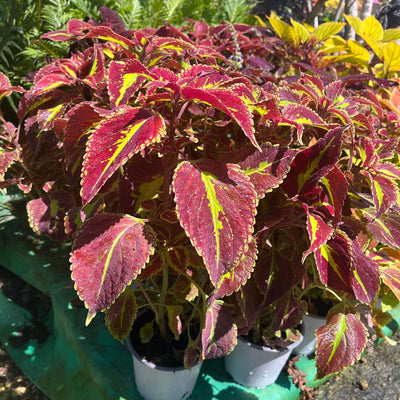 A seasonal summer-spring coleus for a shady garden or a bright house
החל מ-10.50 ₪לעמוד המוצר
-
 Coleus seeds
10.50 ₪לעמוד המוצר
-
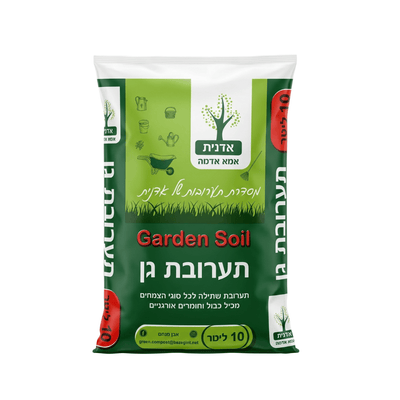 Migdal from the Northern Border 10 liter planting mix
14.00 ₪לעמוד המוצר
-
 Liquid hummus 1 liter
החל מ-48.00 ₪לעמוד המוצר
-
 Potting mix, planting soil, fertilizer-enriched
החל מ-22.50 ₪לעמוד המוצר
-
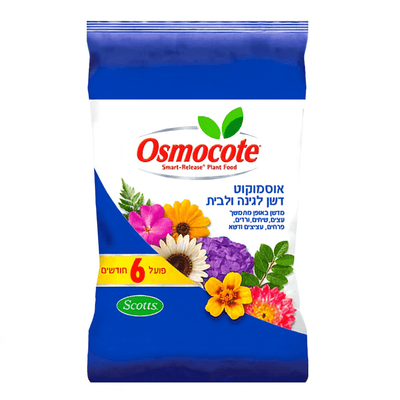 Osmocote fertilizer for garden and home, active for 6 months
החל מ-65.00 ₪לעמוד המוצר
-
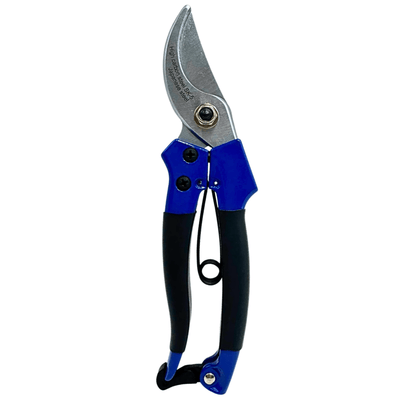 B-4282 manual bypass pruner
49.99 ₪לעמוד המוצר


