

🌿 Philodendron Xandu - The Complete Guide to Growing and Care
 המוצר מהמדריך זמין באתר
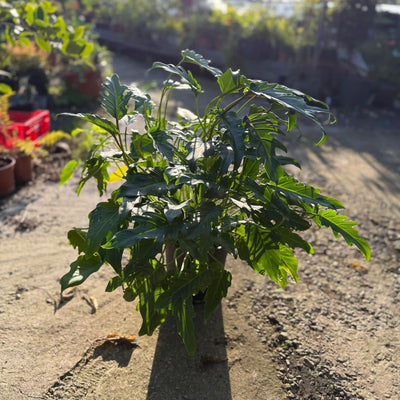
Philodendron Xanadu in a 10-liter pot, perennial for indoors and outdoors
90.00 ₪
המוצר מהמדריך זמין באתר
Philodendron Xanadu in a 10-liter pot, perennial for indoors and outdoors
90.00 ₪
📋 Quick Summary - Everything you need to know at a glance
Bright indirect to partial shade
No direct sun!
When the topsoil dries out
Summer: 2-3 times/week | Winter: Once a week
Home / Office / Shaded garden
Ideal for indoors!
Easy
Suitable for beginners
17-25°C
Not below 13°C
🌱 Getting to know the Philodendron Xanadu
Names and Identification
- Hebrew name: Philodendron Xanadu, Philo Xanadu
- Scientific name: Thaumatophyllum xanadu (formerly Philodendron xanadu)
- Common names: Xanadu, Winterbourn
- Family: Araceae
Origin and Climate
The Philodendron Xanadu originates from the rainforests of Brazil. Although previously thought to be an Australian hybrid, it has been discovered to be a natural species. The plant is adapted to a tropical climate with high humidity and dappled light.
Why do people love Xanadu?
- 🌴 Tropical look: Beautiful lobed/split leaves
- 🪴 Compact size: Perfect for apartments
- 💪 Durable and strong: Forgiving of mistakes
- 🌬️ Air purifier: Improves indoor air quality
- 🏢 Perfect for offices: Tolerates various light conditions
- 💚 Green all year: Evergreen plant
Special Characteristics
- Height: Up to a meter in indoor conditions
- Width: Up to a meter and a half when mature
- Leaves: Green, glossy, lobed (up to 40 cm)
- Growth: 1-2 feet per year
🌤️ Growing Conditions - The Key to Success
☀️ Light
Ideal light type: Bright indirect light to partial shade. It enjoys plenty of light but not direct sun!
Recommended location: Near a north or east-facing window. For south/west windows, provide shading.
Slow and sparse growth, elongated and "leggy" stems stretching towards light, small leaves
Brown spots, leaf burns, pale leaves, and yellowing
💡 Tip: The Xanadu can also grow under artificial light - perfect for windowless offices!
💧 Watering
Guiding principle: Water when the top layer of soil dries out. The Xanadu prefers consistent moisture but does not like "wet feet."
Frequency by season:
- 🌞 Summer: 2-3 times a week
- 🍂 Spring/Autumn: Once or twice a week
- ❄️ Winter: Once every 1-2 weeks
How to check if it needs water?
Stick a finger into the soil - if the top layer (2-3 cm) is dry, it's time to water. If still damp, wait.
Yellow leaves (starting from the bottom), root rot, limp leaves, foul odor from the soil
Wilting and shriveled leaves, brown and dry edges, dry and crumbly soil
💡 Tip: Use room temperature water, preferably filtered or rainwater. Water with high chlorine content may cause brown leaf tips.
🌡️ Temperature and Humidity
Ideal range: 17-25°C (65-85°F)
Minimum: Not below 13°C - The plant is sensitive to cold!
- Cold sensitivity: High! Keep away from open windows in winter and cold air conditioning
- Heat sensitivity: Tolerates heat, but prefers not to exceed 30°C
- Humidity: Prefers high humidity but will manage in drier conditions
- Mist the leaves 1-2 times a week
- Place on a tray of pebbles and water
- Group with other plants
- Wipe leaves clean of dust with a damp cloth
🪴 Substrate and Drainage
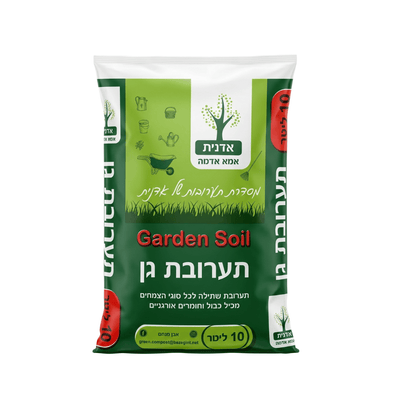
Recommended substrate: Aerated and well-draining soil, rich in organic matter.
Perfect mix recipe:
- 40% high-quality potting soil
- 30% perlite (for drainage and aeration)
- 20% coco peat or coconut fiber
- 10% compost or bark
Drainage: Crucial to prevent root rot!
- ✅ Pot with a drainage hole at the bottom - mandatory!
- ✅ Layer of gravel or tuff at the bottom of the pot
- ❌ Do not leave standing water in the saucer
- ❌ No heavy or clay-like soil
🏺 Pot and Repotting
Recommended pot size:
- For small-medium plant: 5-10 liter pot
- For mature plant: 15-20 liter pot
- Always with a drainage hole!
When to repot?
- Young plants: Once a year (in spring)
- Mature plants: Every 2-3 years
- When roots are coming out of the drainage hole
- When growth has stalled despite proper care
How to repot correctly?
- Choose a pot only 5-10 cm larger
- Prepare fresh, well-draining soil
- Gently remove the plant, check the roots
- Remove rotten roots if present
- Plant in fresh soil, water well
- Place in partial shade for a week to acclimate
🧪 Fertilization
The Xanadu enjoys regular fertilization for healthy growth and shiny green leaves.
When to fertilize?
- 🌸 Spring-Summer: Once a month - peak growth season
- 🍂 Autumn: Once every two months
- ❄️ Winter: Stop fertilizing or once every two months at reduced dose
What fertilizer is suitable?
- Balanced fertilizer: 20-20-20 diluted to half the recommended dose
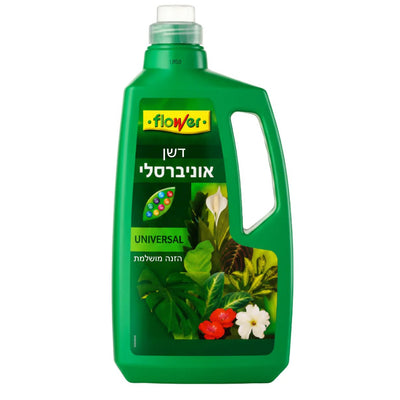
- Foliage fertilizer: Higher in nitrogen for beautiful leaf growth
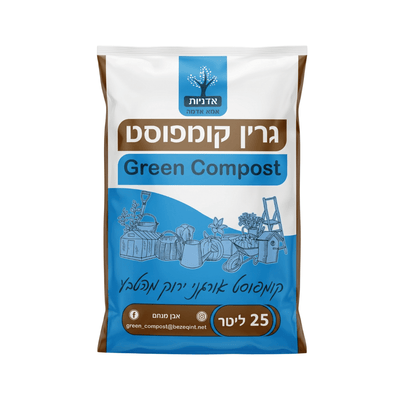
- Organic fertilizer: Compost, Seaweed extract
- Over-fertilizing: Brown tips, "root burn," white salt crusts on soil
- Fertilizing on dry soil: Always water before fertilizing!
- Winter fertilization: The plant is resting and doesn't need it
✂️ Pruning and Styling
Guiding principle: The Xanadu rarely requires pruning for style - it grows in a neat and beautiful shape naturally!
What should be pruned?
- Yellow or brown leaves: Cut at the stem base
- Dry or damaged leaves: Remove for aesthetics and pest prevention
- Old leaves: Natural yellowing of lower leaves - it's normal!
- "Leggy" growth: If stems elongated due to lack of light
How to prune correctly?
- Use sharp, disinfected shears (wipe with alcohol)
- Cut as close to the stem base as possible
- Do not tear - always make clean cuts
🔄 Propagation
Xanadu can be propagated via two main methods. The best time for propagation is spring-summer.
🌱 Method 1: Root Division (Recommended!)
The easiest and most successful method for Xanadu:
- Remove the plant from the pot during repotting
- Identify natural "clumps" of stems and roots
- Gently separate a clump with roots and stems
- If roots are tangled - use a sharp, disinfected knife
- Plant each part in a separate pot with fresh soil
- Water well and place in partial shade
⏱️ Time to establish: 2-4 weeks
✂️ Method 2: Stem Cutting (More challenging)
A possible method but less recommended - Xanadu is sensitive to rot in cuttings:
- Select a young and healthy stem, 10-15 cm long
- Cut with a sharp knife above a leaf
- Leave 2-3 leaves at the top, remove lower leaves
- Optional: Dip in rooting hormone
- Place in clean water or moist soil
- Change water daily to prevent rot!
- Once roots develop (2-3 weeks) - plant in soil
💡 Tip: Cinnamon powder on the cut helps prevent fungal rot!
🐛 Pests and Diseases
The Xanadu is a relatively resistant plant, but like any houseplant, it can suffer from pests - especially in dry air.
🕷️ Spider Mites
Signs: Tiny yellow dots on leaves, fine spider webs, mottled leaves
Treatment:
- Increase humidity!
- Wash leaves with a stream of water
- Spray with potassium soap or neem oil
🐜 Mealybugs
Signs: White "cotton" at the base of leaves and nodes, sticky leaves
Treatment:
- Remove manually with an alcohol-soaked swab
- Spray neem oil or potassium soap
- Check roots - they can be there too
🦗 Aphids
Signs: Small green/black insects on young leaves, curled and sticky leaves
Treatment:
- Strong water stream to knock them off
- Potassium soap or neem oil
- Isolate the plant!
🍂 Root Rot
Signs: Yellowing falling leaves, black and mushy roots, foul odor
Treatment:
- Remove from soil, trim rotten roots
- Spray 3% hydrogen peroxide on the roots
- Repot in fresh, dry soil
- Reduce watering!
🔴 Bacterial Leaf Spot
Signs: Brown spots with a yellow halo, wet spots
Treatment:
- Remove affected leaves
- Stop misting the leaves
- Improve air circulation around the plant
🔵 Scale
Signs: Small brown bumps on stems and leaves
Treatment:
- Scrape off manually or with alcohol
- Horticultural oil
- Repeat treatment every week
- Inspect new plants before bringing them home
- Maintain humidity around the plant
- Clean leaves regularly
- Do not overwater
- Ensure good ventilation
🔧 Troubleshooting
| Problem | Possible Cause | Solution |
|---|---|---|
| Yellow leaves | Overwatering / poor drainage / lack of light | Check drainage, reduce watering, move to a brighter spot |
| Brown tips | Low humidity / irregular watering / salts in water | Increase humidity, water with filtered water, fertilize less |
| Wilting leaves | Lack of water / excess water / cold | Check soil moisture, ensure appropriate temperature |
| Brown spots | Direct sun / bacterial disease / salts | Keep away from direct sun, remove infected leaves |
| Slow growth | Lack of light / lack of fertilizer / pot too small | Move to a brighter spot, fertilize, consider repotting |
| Long and leggy stems | Significant lack of light | Move to a brighter spot, prune long stems |
| Pale leaves | Excess direct light / nitrogen deficiency | Keep away from direct sun, fertilize with a nitrogen-rich fertilizer |
| Aerial roots | Natural phenomenon! | This is normal for Xanadu - can be left as is or covered with soil |
❓ FAQ
Yes, but growth will be slower and leaves less dense. It is recommended to provide at least bright indirect light for best results.
Young plants - once a year. Mature - every 2-3 years or when roots emerge from the drainage hole. No need for an overly large pot!
This is normal! Xanadu has natural aerial roots. You can leave them or cover them with additional soil.
Yes, but rare in indoor conditions. The flower resembles a Calla lily flower - a whitish-yellow spadix. Flowering is not the highlight of the plant - the leaves are the stars!
Yes! In warm regions (center and south) it can be grown outdoors in a shaded garden. It is important to protect it from frost in winter and direct sun in summer.
A relatively fast-growing plant - 30-60 cm per year under good conditions. It can reach a width of a meter and a half when mature!
The Xanadu is more compact and non-climbing, with smaller, more divided leaves. The Monstera climbs, is larger, and has holes in the leaves.
Usually: lack of water, air that is too dry, or temperature stress. Check watering and humidity, and keep away from air conditioners.
🌟 Secrets and Professional Tips
✨ Shiny Leaf Trick
Wipe the leaves once a week with a damp cloth. For extra shine - add a drop of coconut oil to the cloth. This also protects against pests!
🔄 Weekly Rotation
Rotate the pot a quarter-turn each week so the plant grows evenly and does not "lean" towards the light source.
🚿 Monthly Shower
Once a month, take the Xanadu to the shower and rinse the leaves with a gentle spray. This removes dust, increases humidity, and prevents pests!
🥚 Homemade Fertilizer
Water you've boiled eggs in (after cooling down) contains calcium - great for watering the Xanadu occasionally!
📚 Interesting Facts
- The name "Xanadu" comes from a famous poem about an imaginary paradise
- Until 2018, the plant was classified as a Philodendron, today it is a Thaumatophyllum
- The Xanadu was Australia's "Plant of the Year" in 1988
- Can live for decades with proper care!
🇮🇱 Adaptation to Israeli Climate
☀️ Israeli Summer
- Watering: 2-3 times a week
- Position: Keep away from direct sun!
- Humidity: Mist water on the leaves
- Air Conditioner: Do not place in direct airflow
- Outdoors: Only in full shade!
❄️ Israeli Winter
- Watering: Once a week or two
- Cold: Bring indoors below 13°C
- Heating: Keep away from radiators
- Fertilizing: Stop or very little
- Light: Move to the brightest spot
📍 Recommended locations by region
- Center and Coast: Perfect for growing - indoors or in a shaded garden year-round
- North: Indoors in winter, in a shaded garden in summer
- South and Arava: Indoors only with air conditioning - too hot outdoors
- Jerusalem and Mountains: Indoors only - nights are too cold
🛒 Purchasing and Recommended Products
How to choose a healthy plant?
- ✅ Green and shiny leaves, no spots or yellowing
- ✅ Full and dense plant, not leggy or "drooping"
- ✅ No signs of pests (check the underside of leaves!)
- ✅ Soil not waterlogged or completely dry
- ✅ White/light roots if visible from the drainage hole
What to check when the plant arrives?
- Check that there is no shipping damage
- Look for pests - isolate for a week before placing near other plants
- Check soil moisture and water if necessary
- Do not repot immediately - let it acclimate for a week or two
🛍️ Recommended products from Deco Garden
Drained pot
High-quality pot with drainage holes
Soil for houseplants
Aerated and well-drained mixture
Soil moisture meter
Know when to water
Fertilizer for leafy plants
For healthy and shiny growth
Pruning shears
For clean and precise cutting
Neem oil
For treating and preventing pests
📊 Summary Table - All info in one place
| Category | Details |
|---|---|
| ☀️ Light | Bright indirect light to partial shade. No direct sun! |
| 💧 Watering | When the top layer dries. Summer: 2-3 per week, Winter: once a week |
| 🌡️ Temperature | 17-25°C. Minimum: 13°C |
| 💨 Humidity | Prefers high humidity, but manages in low as well |
| 🪴 Substrate | Well-aerated and drained. Perlite + Coco peat + Compost |
| 🧪 Fertilizing | Once a month in spring-summer, balanced diluted fertilizer |
| 🔄 Repotting | Young: annual. Mature: every 2-3 years |
| 🌱 Propagation | Root division (recommended) or stem cutting |
| 📏 Size | Up to 1 meter high, up to 1.5 meters wide |
🌿 Deco Garden - Home to your plants
Have questions about your Xanadu? Need help? We are here for you!
📧 Contact us | 📱 Follow us on social media | 🌱 Buy plants and products
© 2025 Deco Garden - All rights reserved
The guide was written by the Deco Garden team of experts
🛒 המוצרים מהמדריך
הצמחים והמוצרים שהמדריך מדבר עליהם — לחיצה על כרטיס מעבירה לעמוד המוצר.
-
 Philodendron Xanadu in a 10-liter pot, perennial for indoors and outdoors
90.00 ₪לעמוד המוצר
Philodendron Xanadu in a 10-liter pot, perennial for indoors and outdoors
90.00 ₪לעמוד המוצר
-
 Compost fertilizer bag 25 liters Green Compost
25.00 ₪לעמוד המוצר
Compost fertilizer bag 25 liters Green Compost
25.00 ₪לעמוד המוצר
-
 Bio Gel Seaweed Fertilizer
48.00 ₪לעמוד המוצר
Bio Gel Seaweed Fertilizer
48.00 ₪לעמוד המוצר
-
 Migdal from the Northern Border 10 liter planting mix
14.00 ₪לעמוד המוצר
Migdal from the Northern Border 10 liter planting mix
14.00 ₪לעמוד המוצר
-
 Universal Fertilizer 1.2 liters
45.00 ₪לעמוד המוצר
Universal Fertilizer 1.2 liters
45.00 ₪לעמוד המוצר
-
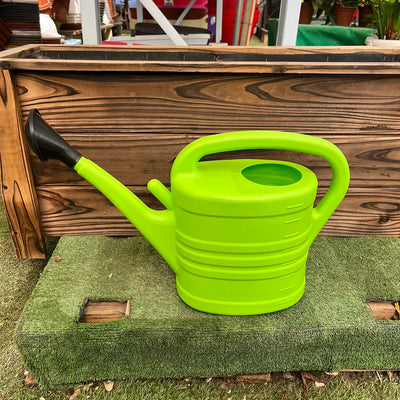 funnel
החל מ-18.00 ₪לעמוד המוצר
funnel
החל מ-18.00 ₪לעמוד המוצר

