🍌 Senecio Radicans (String of Bananas) | The Complete Growing and Care Guide
 המוצר מהמדריך זמין באתר
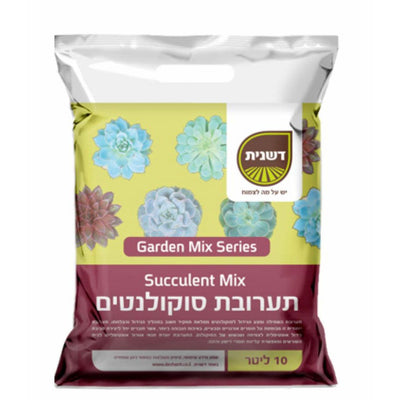
Soil for succulents and cacti - Succulent potting mix
13.00 ₪
📋 Quick Summary - Everything you need to know at a glance
Bright, including some direct sun
Maintains dense and full foliage
Very sparse
Allow soil to dry out completely
Easy
Great for beginners, sensitive to overwatering
Trailing succulent
From the Asteraceae family
Stems 30-90 cm
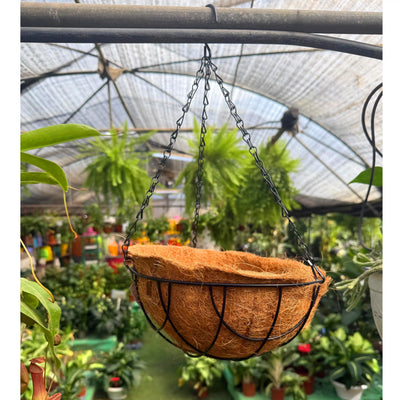
In a hanging pot, grows over time
🌱 Getting to know the plant
Names and Identification
- Hebrew name: Senecio Banana (String of Bananas)
- Scientific name: Curio radicans (formerly classified as Senecio radicans)
- English: String of Bananas
- Family: Asteraceae
- Type: Trailing succulent (creeping/hanging)
Origin and Background
The plant originates from South Africa, Namibia, and Lesotho, where it grows spread across the ground, rooting at every point of contact to form dense succulent carpets in the wild. Until 1999, it was classified under the genus Senecio, and only then was it transferred along with other relatives to the new genus Curio - which is why it is still common to find it under both scientific names simultaneously.
Unique Characteristics
- 🍌 Tiny banana-shaped leaves: Fleshy, elongated, and rounded leaves 2-3 cm long, with two transparent stripes on the sides of the leaf ("windows") that allow light into the photosynthesis cell
- 🌊 Fast trailing stems: Create a dense green waterfall in a hanging pot or on a high shelf
- 🌸 Rare and fragrant blooms: Small, cream-white flowers in late winter/early spring with a delicate cinnamon scent
- 💪 Drought resistance: Like any succulent, it stores water in its fleshy leaves and survives long dry periods
⚠️ Don't get confused! The trailing "String of" family
It is easy to confuse three popular relatives of the same genus (Curio, formerly Senecio), all of which are sold under "string of" names and have almost identical care requirements:
- String of Bananas (Curio radicans): Elongated banana-shaped leaves - the variety in this guide
- String of Pearls (Curio rowleyanus): Completely spherical leaves, like pearls - the most famous "sibling"
- Curio herreianus ("String of Fishhooks"): Elongated teardrop-shaped leaves, less common in Israel
💚 Why choose the String of Bananas
Trailing stems create a dramatic green waterfall
Every stem placed on soil becomes a new plant
Stores water in leaves, survives dry spells
Strong light and dry air - its natural conditions
Does not require frequent fertilization or complex pruning
Bright windowsill or partially shaded balcony
🌤️ Detailed Growth Conditions
☀️ Light
- Bright light is a must - a well-lit location is recommended, preferably with a few hours of soft direct sun (morning is especially suitable). This is what keeps the leaves dense, small, and fully banana-shaped.
- Too little light causes the stems to "stretch" with large gaps between the leaves (sparse and unkempt growth).
- In the hot Israeli summer, direct and strong midday sun can cause leaf burns - morning/early afternoon sun is preferred, with bright-indirect light during the scorching hours.
- Indoors: An east or west-facing windowsill is excellent. A plant moving outdoors needs gradual acclimation to the sun to prevent burns.
💧 Watering
The golden rule: Let the soil dry out completely between waterings. Overwatering is the number one cause of plant death - the leaves become soft, transparent, and "melt" from rot.
Approximately every 7-10 days, when the soil is completely dry
Reduce significantly - every 15-20 days or more
How to tell? Wrinkled/shriveled leaves = needs water. Soft, transparent, or yellowish leaves = already overwatered - stop watering immediately and check the roots.
🌡️ Temperature
Ideal range: 15-24°C. The plant is frost-sensitive - irreversible damage occurs below 0°C, so in mountainous areas and valleys in Israel, it is advisable to bring hanging pots inside on particularly cold winter nights. On the other hand, it tolerates the Israeli summer heat well as long as there is good drainage and watering remains measured.
🌍 Soil
- Especially fast-draining mix - a dedicated mix for succulents/cacti; can be enriched with coarse sand or perlite.
- A pot with drainage holes is a must - the roots are very sensitive to rot in wet soil.
- Preferably shallow and wide pots, as the root system is not deep.
🌸 Fertilization
Light fertilization only, once every month or two, with a diluted fertilizer intended for succulents/cacti.
Stop fertilization entirely - the plant enters a dormant phase.
✂️ Pruning and Maintenance
Stems that have stretched and become bare (due to low light) or old stems that start drying at their base can be pruned with confidence - the plant will branch out again from the cutting point. Do not throw away the clippings: each stem segment is ready-to-use propagation material (see below).
🌿 Propagation
- Choose a healthy and full-leafed stem.
- Cut a segment about 8-15 cm long (or use a stem that has already broken off).
- Let the cut end "callus" and dry for a day or two in the air - this prevents rot during rooting.
- Simply place the stem on the surface of slightly moist soil - no need to bury it! You can also cover some of the lower leaves with soil to speed up rooting.
- Leave in a lit place without strong direct sun, and water sparingly.
- New roots will appear within about 1-2 weeks at the points of contact with the soil.
💚 This is one of the easiest and most successful methods in the succulent world - the success rate is very high even for beginners.
🔧 Common Problems and Solutions
🍂 Wrinkled and shriveled leaves
Cause: Lack of water.
Solution: Water deeply and check that the pot has not dried out too much between waterings.
🦠 Soft, transparent, or "melting" leaves
Cause: Overwatering and root rot.
Solution: Stop watering immediately, check the roots, and consider transferring to fresh, dry soil.
📏 "Stretching" stems with large gaps
Cause: Too little light.
Solution: Gradually move to a brighter location, preferably with some direct sun.
🔥 Brown spots/burns on leaves
Cause: Sudden move to sun that is too strong, usually midday in summer.
Solution: Acclimate to the sun gradually, avoid direct midday sun in the Israeli summer.
🐛 Pests
The most common pests are mealybugs and aphids. Treatment: Remove manually with a cotton swab dipped in alcohol, or spray insecticidal soap on the affected stems. Check especially between the dense leaves, where the pests love to hide.
❓ Frequently Asked Questions
This is almost always a sign of overwatering. Stop watering immediately and check that the soil dries out completely between waterings.
In summer, about every 7-10 days, and in winter reduce significantly to every 15-20 days or more - always only when the soil is completely dry.
Simply place a stem segment on the surface of damp soil (after letting the cut end callus for a day or two) - new roots will grow from the points of contact within about 1-2 weeks.
A few hours of soft morning sun is actually good for it and keeps the leaves dense - but strong, direct midday sun in summer can cause burns. Bright light with some gentle sun is the safest combination.
Both are relatives of the same genus (Curio) with almost identical care requirements. The main difference is the leaf shape: for the String of Bananas, the leaves are elongated like a tiny banana, and for the String of Pearls, they are completely spherical.
📊 Summary Table
| Category | Details |
|---|---|
| ☀️ Light | Bright, including a few hours of soft morning sun; avoid strong midday sun in summer |
| 💧 Watering | Very sparse - dry out completely between waterings (summer 7-10 days, winter 15-20+) |
| 🌡️ Temperature | 15-24°C, frost-sensitive below 0°C |
| 💦 Humidity | Not demanding, tolerates dry air well |
| 🌍 Soil | Well-draining mix for succulents/cacti, drainage-holed pot a must |
| 🌸 Fertilization | Light, spring-summer only; none in autumn-winter |
| 📏 Size | Trailing stems 30-90 cm in a hanging pot |
| 📊 Difficulty | Easy, great for beginners - sensitive primarily to overwatering |
| ✨ Special | Extremely easy propagation - simply place a stem on the soil |
🛒 Shop at Check Garden
🌿 Deco Garden - A Love for Plants
Have a question about the Senecio 'Banana' or any other plant? Our team of experts is here for you - from order to the mature plant in your hanging basket.
© 2026 Deco Garden - All Rights Reserved
This guide was written by the Deco Garden expert team
🛒 המוצרים מהמדריך
הצמחים והמוצרים שהמדריך מדבר עליהם — לחיצה על כרטיס מעבירה לעמוד המוצר.