💜 Brunfelsia (Yesterday-Today-and-Tomorrow) | The Complete Guide to Growing and Care
 המוצר מהמדריך זמין באתר
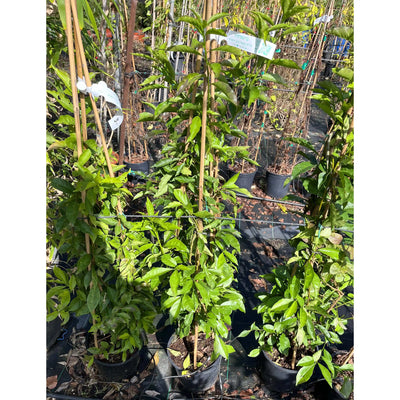
Bronflasia, pot diameter 24 cm (10 liters) (perennial for the garden)
115.00 ₪
📋 Quick Summary - Everything you need to know at a glance
Partial shade / filtered light
Morning light + afternoon shade - no direct summer sun
Regular and moderate
Soil moist but not soggy
Moderate
Requires acidic soil and regular pruning
Evergreen ornamental shrub
From the Solanaceae family
About 1 to 3 m in the garden
Controllable via pruning
🌱 Getting to know the plant
Names and Identification
- Hebrew name: Brunfelsia, also known as "Yesterday-Today-and-Tomorrow"
- Scientific name: Brunfelsia pauciflora (previously also classified as Brunfelsia calycina)
- English: Yesterday-Today-and-Tomorrow
- Type: Evergreen, flowering ornamental shrub
Origin and Background
The Brunfelsia originates from the mountainous slopes and rainforests of southeastern Brazil (Serra do Mar mountains). It comes from a humid-tropical climate, which is why, in the Mediterranean and hot climate of Israel, it requires protection from harsh sun and more consistent watering and humidity than typical local garden plants.
Unique Characteristics
- 🌈 Dramatic color change: The flower opens deep purple, turns light lavender on the second day, and fades to almost white on the third - all colors appear together on the same shrub
- 🌸 Intense sweet fragrance, especially prominent in the evening
- 🌿 Dark, shiny green foliage, evergreen throughout the year
- 🦋 Attracts butterflies and pollinators to the garden
🔎 Watch out for common confusion
In local nurseries, several different varieties and species are sold under the name "Brunfelsia" - Brunfelsia pauciflora (the most common), Brunfelsia grandiflora, and Brunfelsia australis - which differ in final size, growth rate, and cold hardiness. Therefore, there may be a gap between what you read online and what you actually bought. Check the variety label at the nursery, and in any case - the care principles are the same for all varieties.
💚 Why choose a Brunfelsia
🌿 Varieties and Types
Brunfelsia pauciflora 'Floribunda'
The most common and well-known variety in Israeli nurseries - relatively compact growth, rich flowering, and easy to prune.
Brunfelsia grandiflora
Larger flowers, faster growth rate, and higher robustness - suitable for a large flowering shrub or a low hedge.
Brunfelsia australis
A relatively compact and cold-hardy variety, suitable for small gardens and growing in large pots on a balcony.
🌤️ Detailed Growing Conditions
☀️ Light
- Best: Partial shade / filtered light - soft morning light and shaded afternoon
- 4-6 hours of light a day is usually enough for good flowering
- Avoid direct, intense sun in the Israeli summer afternoon - it may cause leaf burn, yellowing, and dryness
- Too little light causes sparse growth and few flowers - find a balance point
💧 Watering
About 2-3 times a week, keep soil consistently moist
Reduce to about once a week, depending on rain
How to know if it needs watering: Check the top 2-3 cm of soil - if dry, water. Avoid wetting the foliage itself to reduce the risk of fungal diseases, and ensure good drainage to prevent root rot.
🌡️ Temperature
The ideal range is around 18-26°C, and the plant enjoys pleasant warmth up to about 30°C. It is very sensitive to cold and frost - exposure to temperatures below 5°C can cause severe damage or even death of the plant. In Israel, it is mainly suitable for warm areas; in cold mountain and valley regions (like Jerusalem, Upper Galilee), it is recommended to grow it in a portable pot that can be moved to shelter, or to cover it with netting/frost protection sheet on cold nights.
💦 Humidity
The plant originates from rainforests, so it enjoys relatively high air humidity. In the dry climate of most of Israel, you can help it with a tray of pebbles and water under the pot, or by misting the environment around the plant (not the leaves themselves) on particularly hot and dry days.
🌍 Soil
- Acidic soil - around pH 5.0-6.0, rich in organic matter and well-drained
- Recommended mix: about 60% quality garden soil + 20% compost + 20% perlite or vermiculite
- You can add pine bark to the mix to enhance acidity
- The plant does not like basic/lime-rich soil - this is the most common reason for yellowing leaves (chlorosis). If your water or soil is lime-rich, use chelated iron fertilizer or acidified water as needed
🌱 Fertilization
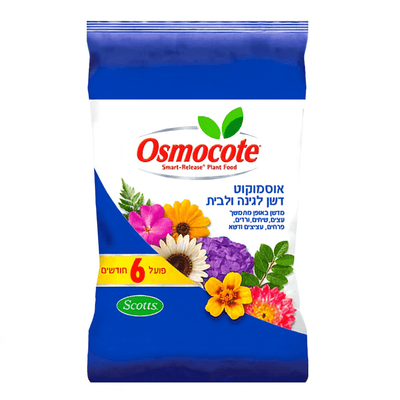
Fertilize every 2-4 weeks with a fertilizer for acid-loving plants (such as rhododendron/hydrangea types); near flowering time, a phosphorus and potassium-rich fertilizer is preferred.
Significantly reduce or completely stop fertilization until new growth begins in the spring.
An acidic (ericaceous) fertilizer specifically for acid-loving plants is the safest choice, and also helps prevent chlorosis from basic soil/water - quite common in parts of Israel.
✂️ Pruning and Maintenance
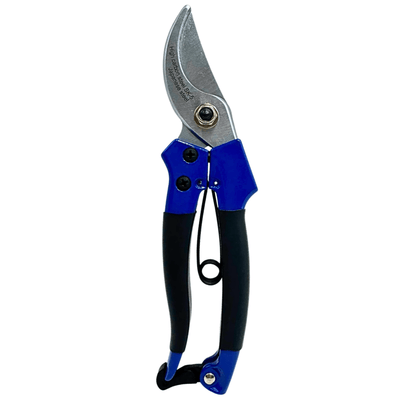
- When to prune: Immediately after the end of the flowering season - this encourages new and dense growth, and builds the flowering base for the next season
- Remove faded flowers (deadheading) throughout the season - this may encourage another wave of flowering
- Remove dry, diseased, or crossing branches to maintain a neat shape
- You can prune more heavily in the autumn to control the size of the shrub, if necessary
🌱 Propagation
- Take semi-hardwood cuttings about 15-20 cm long, preferably in spring or summer
- Remove the lower leaves from the cutting
- Dip the cut end of the cutting in rooting powder
- Plant in a light drainage mix (e.g., perlite or coco coir) and maintain humidity and indirect light
- Maintain a humid environment - roots usually develop within about 3-6 weeks
Propagation from seeds is possible but much slower - germination may take weeks to months in warm temperatures (around 25-28°C), and seedlings only start producing flowers after about two to three years.
🔧 Common Problems and Solutions
🍂 Yellowing leaves between veins (chlorosis)
Cause: Soil too basic or lime-rich water.
Solution: Chelated iron fertilizer, acidified water, and adding acidic organic matter to the soil.
🥀 Sparse or no flowering
Cause: Not enough light, inappropriate fertilization, or pruning at the wrong season.
Solution: Move to a brighter spot in the morning, use phosphorus/potassium-rich fertilizer before the flowering season, and prune only after flowering.
🔥 Scorched leaves or brown spots
Cause: Direct and intense sun in the Israeli summer afternoon.
Solution: Move/shade the plant to partial shade, especially during the afternoon hours.
💧 Wilting leaves or root rot
Cause: Overwatering or poor drainage.
Solution: Improve drainage, reduce watering frequency, and check that the pot/bed is not holding water.
❄️ Leaf drop or damage after cold
Cause: Exposure to frost or temperatures below 5°C.
Solution: Protection cover on cold nights, or grow in a portable pot that can be moved to shelter in winter.
🐛 Pests
The most common pests are mealybugs, spider mites, thrips, and whitefly. Treatment: Washing with a strong jet of water, spraying with diluted insecticidal soap or neem oil, and in severe cases - an appropriate insecticide as needed.
❓ FAQ
Usually, this is chlorosis - yellowing between the leaf veins caused by soil that is too basic or lime-rich water. The solution is chelated iron fertilizer, acidified water, and ensuring acidic and well-drained soil.
In the Israeli summer, about 2-3 times a week, and in winter, reduce to about once a week depending on rain. Always check that the top layer of soil has dried slightly before the next watering.
Immediately after the end of the flowering season. Pruning at this time encourages new and dense growth and prepares the plant for repeat flowering in the next season.
Not really - it is sensitive to frost, and can be severely damaged below 5°C. In cold mountain and valley areas in Israel, it is recommended to grow it in a portable pot or protect it with a cover on cold nights.
📊 Summary Table
| Category | Details |
|---|---|
| ☀️ Light | Partial shade / filtered light - avoid direct summer sun |
| 💧 Watering | Regular - about 2-3 times a week in summer, less in winter |
| 🌡️ Temperature | Ideal 18-26°C, sensitive to cold below 5°C |
| 💦 Humidity | Relatively high - help it out in the dry climate |
| 🌍 Soil | Acidic (pH about 5.0-6.0), rich and well-drained |
| 🌱 Fertilization | Acidic fertilizer every 2-4 weeks in spring-summer, not in winter |
🛒 Shop Deco Garden
🌿 Deco Garden - Love for plants
Do you have any more questions about growing Brunfelsia, or are you looking for more fragrant flowering shrubs for your garden? The Deco Garden team is here for you - at the store and online.
© 2026 Deco Garden - All rights reserved
This guide was written by the Deco Garden expert team
🛒 המוצרים מהמדריך
הצמחים והמוצרים שהמדריך מדבר עליהם — לחיצה על כרטיס מעבירה לעמוד המוצר.