⭐ Astrophytum (Star Cactus) | The Complete Guide to Growing and Care
 המוצר מהמדריך זמין באתר
Astrophytum flowering cactus, pot diameter 8 cm
75.00 ₪
📋 Quick Summary - Everything you need to know at a glance
Full sun, near a south-facing window
At least 6 hours of light a day
Very sparse, "soak and dry"
Summer: every 2-3 weeks. Winter: almost none
Easy-Intermediate
Main risk: overwatering
Spineless cactus
From the Cactaceae family
8-20 cm diameter in a pot
Very slow growth - a few cm per year
🌱 Getting to know the plant
Names and Identification
- Hebrew Name: Astrophytum (also sold as Astrophytus)
- Scientific Name: Astrophytum myriostigma
- English: Star Cactus, Bishop's Cap
- Family: Cactaceae
- Type: Globular (star-shaped) cactus, perennial, spineless
Origin and Background
The Astrophytum genus originates from Mexico - mainly the desert regions of Coahuila, Durango, and Nuevo León, with small populations also in Texas. The name "Astrophytum" is composed of Greek: astron (star) and phyton (plant) - "star plant" - named after the prominent ribs that give the body a star-like appearance from above.
Unique Characteristics
- ⭐ Star-shaped body divided into 4-8 prominent ribs, usually 5
- ⚪ Speckled with white dots - microscopic hair clusters that become more prominent the more sun the plant receives
- 🌼 Blooms with large yellow flowers, sometimes with an orange center, which open during the day and close at night
- 🐌 Very slow growth - considered a highly sought-after collector's cactus
⚠️ Not to be confused
Within the Astrophytum genus, there are several species that look similar but are actually different. Astrophytum asterias ("Sand Dollar") is a related species, round and without prominent ribs, which is legally protected in Mexico as an endangered species. Astrophytum myriostigma - the species that Deco Garden grows and sells - is a different species, with 5 distinct ribs, and is not endangered.
💚 Why choose an Astrophytum
🌵 Varieties and Types
🌿 Astrophytum myriostigma (Regular)
Green body with 5 ribs and delicate white dots. The most classic and common variety.
⭐ Onzuka
A rare Japanese cultivar with extra-large and dense white dots - sometimes the body looks almost entirely white. Each Onzuka plant is unique in its pattern.
At Deco Garden, the plant arrives in green or in the whiter Onzuka version, depending on stock and season, and not necessarily with blooms at the moment. Beyond the varieties that Deco Garden sells, in the collecting world there are also related species in the genus such as Astrophytum ornatum (with spines) and Astrophytum capricorne (with curling spines) - useful to know for identification but currently not sold in the store.
🌤️ Detailed growing conditions
☀️ Light
- Astrophytum needs as much light as possible - a south-facing window with direct sun is the ideal location
- The more light it gets - the more prominent the white dots, the body stays compact and round, and blooming comes in abundance
- In low light, the plant "stretches" toward the light, loses its symmetrical star shape, and blooms less
- In summer, you can take it out to the balcony or garden - but you must gradually acclimate it to direct sun so as not to burn the sensitive body
💧 Watering
Astrophytum grows slowly and is very sensitive to overwatering - root rot is the most common cause of death. The correct watering method is called "soak and dry": water deeply until water comes out of the drainage holes, then wait until the soil is completely dry before the next watering.
Every 2-3 weeks, only when the soil is completely dry
Almost none - dry and cool rest
How to tell: Check with your finger 3-4 cm below the soil surface - if it is still damp, wait. It is better to leave the plant too thirsty than too wet.
A dry, cool winter rest is important for two reasons: it prevents root rot when the plant is not active anyway, and it significantly increases the chances of blooming in the next season. Do not spray the body - direct moisture on it can cause spots and rot.
🌡️ Temperature
Ideal range 21-32°C - the plant loves heat. Resistant to short cold snaps down to about -7°C, but not to prolonged frost. In mountain and valley areas in Israel (Jerusalem, Golan Heights, Upper Galilee) where temperatures in winter drop below zero, it is recommended to bring pots inside or place them against a protected wall on especially cold nights - and in any case, avoid watering completely during this period.
💦 Humidity
Astrophytum comes from a dry Mexican desert and prefers low humidity. There is no need to spray it and it should not be kept in a humid environment - excess moisture on the body can cause spots and rot.
🌍 Soil
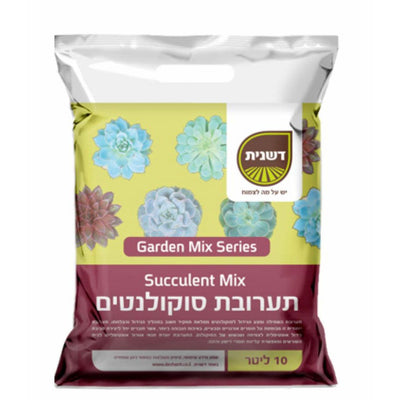
- Mineral and very well-draining mix for cacti - about 70-80% coarse sand, pumice or perlite, and 20-30% organic soil
- It is important that the mixture drains very quickly - do not plant in heavy regular soil
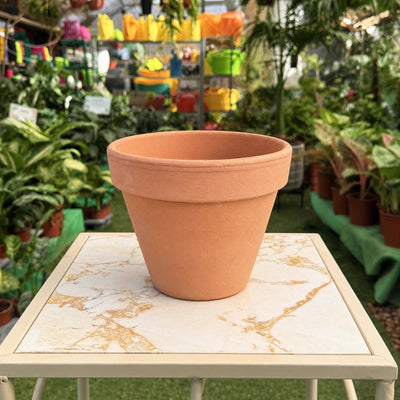
- Terracotta pot is recommended over plastic - it wicks away moisture faster and reduces the risk of rot
🌾 Fertilization
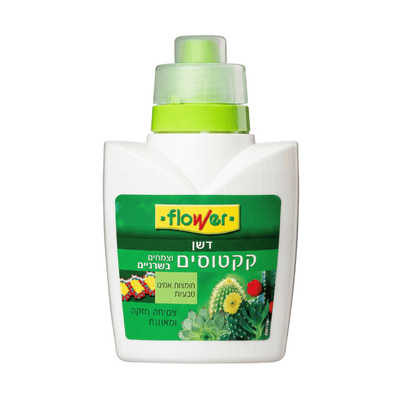
Low-nitrogen liquid fertilizer, specific for cacti, only once a month or two
No fertilization at all - the plant is at rest
Over-fertilization causes rapid and uneven growth that damages the characteristic star shape - less is more.
🪴 Maintenance and Repotting
No pruning is needed - the plant maintains its symmetrical shape by itself and grows very slowly. Repotting is recommended once a year, in early spring, with only a small increase of 1-2 cm in pot diameter. If the plant arrived in a nursery plastic pot, it is worth leaving it there for at least a month to acclimate before moving to a terracotta pot.
🌱 Propagation
- Astrophytum usually grows as a single specimen and almost never develops cuttings or offsets for separation, so propagation from seeds is the accepted method among hobbyists and collectors
- The seeds (about 2.5 mm in size) are planted in a sterile and slightly moist mineral mixture, in a warm and partially shaded environment until germination
- After germination, the transition to the full light and water regime of an adult plant is done gradually and slowly - according to the naturally slow growth rate of the species
Since propagation is slow, most mature plants sold are the result of years of patient cultivation in the nursery.
🔧 Common problems and solutions
🦠 Soft, brown, or sunken body
Cause: Root rot from overwatering or poor drainage - the most common reason for plant death.
Solution: Remove from the pot, check roots, cut off any rotten parts, dry for a few days and replant in fresh mineral mix and a pot with good drainage.
🔥 Brown or yellow spots on the exposed side
Cause: Sunburn from a sudden transition to direct light without acclimation.
Solution: Shade temporarily and gradually expose to sun over several weeks.
📐 Plant stretching and losing its star shape
Cause: Insufficient light.
Solution: Gradually move to a brighter location - a south-facing window or sunny balcony.
🐛 Pests
The most common pests on Astrophytum are mealybugs, red spider mites, and thrips. Good prevention is based on proper drainage and measured watering, and it is recommended to check the plant from time to time - especially in the folds between the ribs where pests like to hide.
❓ Frequently asked questions
A young plant usually starts blooming around the age of 2-3 years, given enough light throughout the year and a dry winter rest. The bloom appears on top of the plant in spring and summer.
During the growing season (spring-summer) - about every 2-3 weeks, and only after the soil is completely dry. In winter - almost none, to give the plant a dry and cool rest.
Because the plant is not active in winter and does not need water - watering in the cold period greatly increases the risk of root rot. A dry winter rest also encourages better blooming in the next season.
It is likely not getting enough light. Astrophytum needs full sun to maintain a compact and symmetrical star shape - move it gradually to a brighter place.
It is challenging. Astrophytum needs as much direct light as possible, so a south-facing window, sunny balcony, or garden are the best places. In low light, it will stretch and not bloom.
📊 Summary Table
| Category | Details |
|---|---|
| ☀️ Light | Full sun, at least 6 hours a day, south window |
| 💧 Watering | Summer: every 2-3 weeks. Winter: almost none - dry rest |
| 🌡️ Temperature | Ideal 21-32°C, resistant to short cold down to -7°C, not prolonged frost |
| 💦 Humidity | Low - desert origin. No spraying |
| 🌍 Soil | Mineral and very well-draining, about 70-80% coarse sand/perlite/pumice |
| 🌾 Fertilization | Low-nitrogen cactus fertilizer, once a month or two in spring-summer only |
| 📏 Size | 8-20 cm diameter in a pot, very slow growth |
| 📊 Difficulty | Easy-moderate - requires patience and watering discipline |
| ⭐ Special | A collector's thornless cactus, blooms in the summer with large yellow flowers |
🛒 Shop Deco Garden
🌿 Deco Garden - Love for Plants
Have a question about growing Astrophytum or any other cactus? The Deco Garden team is here for you.
© 2026 Deco Garden - All rights reserved
This guide was written by the Deco Garden expert team
🛒 המוצרים מהמדריך
הצמחים והמוצרים שהמדריך מדבר עליהם — לחיצה על כרטיס מעבירה לעמוד המוצר.