
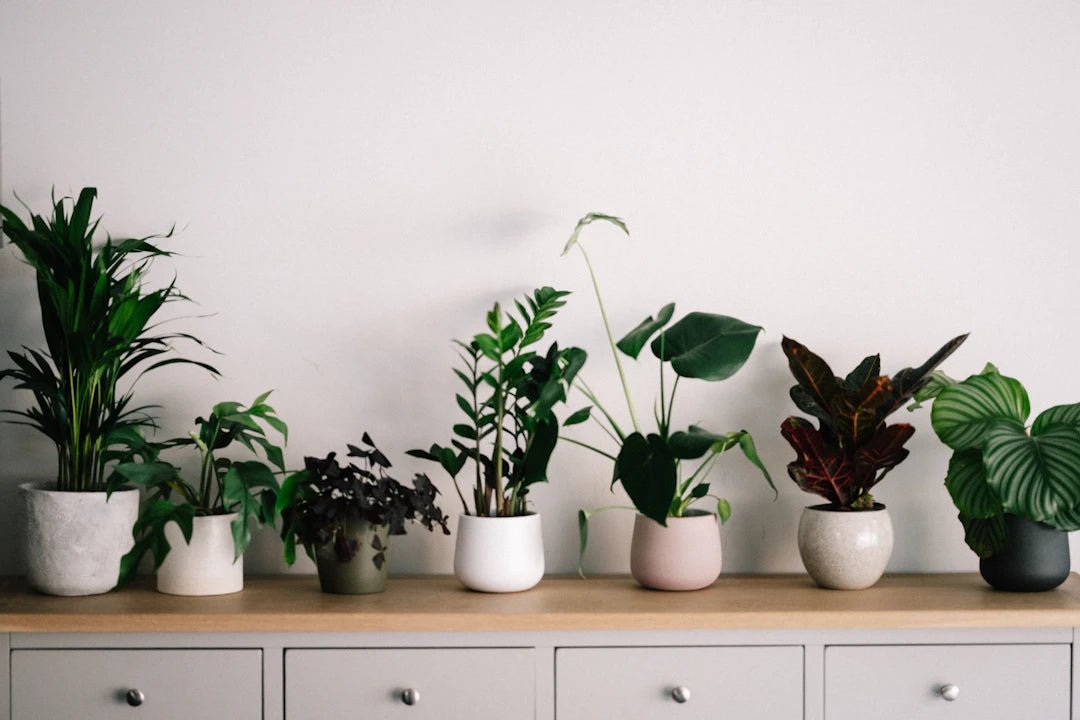
How to choose the perfect plants for your home?
Choosing plants for your home is one of the most exciting and enjoyable decisions in the world of design. Plants not only add life and vitality to your home, but they also improve air quality and create a pleasant and relaxing atmosphere. In this guide, we will discuss how to choose the right plants for you, based on your needs and the design style of your home.
Understanding Plant Needs
Before deciding on the plants you want to add to your home, it is important to understand their basic needs. Here are a few things to consider:
Natural Light
Check the amount of natural light that enters each room. Some plants need direct light, while others do well in dim light. It is important to choose plants that are suited to the light conditions of your home.
Temperature and Humidity
The heat and humidity in the house can affect the health of your plants. Tropical plants sometimes need higher humidity than desert plants. Ensure you have the right conditions to keep your plants healthy.
Design Style
When plants match the decorative style of the home, they can become a central design element:
Modern Style
If your design is modern and clean, plants with geometric lines, such as succulents and Plectranthus, can fit very well. They go with the smooth and uniform look of this style.
Classic Style
For a home with a classic design, plants like potted plants and Andropogon can add a touch of elegance and grace.
Maintenance and Care
One of the important questions to ask yourself is how much time you are willing to invest in plant maintenance:
Low-Maintenance Plants
- Dim light areas
- Ability to handle minimal manual work
- Plants that do not require frequent watering
Plants That Require Attention
- Calm plants
- Plants with critical temperature requirements
- Need frequent watering
Design Content
It seems there are clear benefits to adding plants to the home:
Personal Growth
If you are interested in growing plants yourself, this can be a great way to develop a hobby and create a connection with nature.
Impact on Health
Studies show that plants affect stress levels and reduce anxiety, and they can improve your overall mood.
Adapting to Space
Not every plant can fit into every space in the home. Depending on the plant height and the intended size:
Small Spaces
To add plants in small spaces, consider small plants like ficus or succulents. They can provide a green look without covering the entire area.
Large Spaces
For larger spaces, you can consider tall plants like palm trees or a ficus tree.
Meaningful Plants
Many of them carry cultural and personal meanings:
Traditional Plants
In many cultures, there are desirable plants that symbolize different things, such as happiness and prosperity. Consider adding plants with personal or cultural significance to your home.
Personal Plants
When choosing plants, it is important to consider if there are plants that remind you of positive things, such as memories from childhood or from your favorite places.
Additional Design Materials
Do not forget the other decorative materials you may want to add along with the plants:
Pots
Pots can add a completely different design element. There are pots made of metal, ceramic, wood, and more.
Living Walls
If you have empty wall space, consider creating a wall of plants. There are also advanced solutions for encouraging vertical growth.
Finally, Take Your Time
Do not forget that this is an important decision, and even if you are excited about the idea of bringing plants into your home, it is worth researching and thinking about the right plants. Take your time to choose the right plants that will suit your home, your spirit, and your style. This process can be enjoyable and relaxing, and can lead to the perfect result of the green life you are looking for.
Also, it is important to be open to experimenting and learning during the process. Plants are like people – they don't always have the same requirements. This way you can also enjoy the many benefits that plants provide. Remember, plants are not just a design tool, they are true partners in your life!