
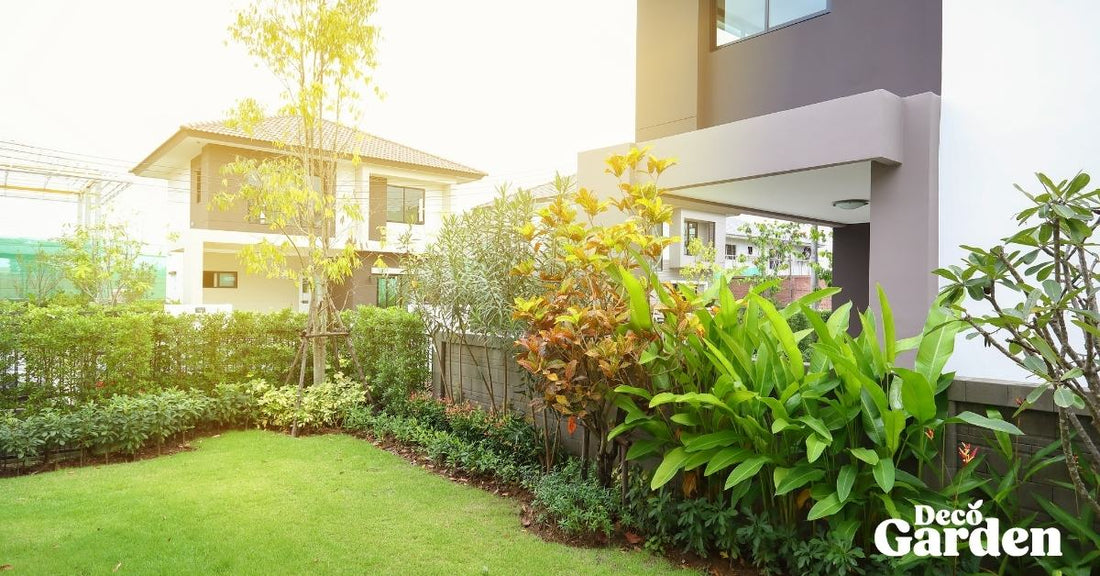
Green grass all year round: choose synthetic or invest in natural?
In many Israeli homes, the yard or garden has long since become much more than just an outdoor area – it is a natural extension of the house itself, a place for relaxation, hosting, and family time. A green, well-kept, and fresh lawn is not only a beautiful design element but also a symbol of calm, tranquility, and harmony with nature. However, this raises the dilemma: should you choose synthetic grass, which guarantees a green and uniform look year-round with almost no effort, or invest in natural grass, which provides a lively feeling, an intoxicating scent, and a real connection to the earth?
To answer this question, it is important to understand the pros and cons of each option, examine the economic and environmental aspects, and ask ourselves what really suits our needs, lifestyle, and personal style. In this article, we will dive into all the aspects and help you choose the perfect lawn for your garden – join us.
Benefits of Synthetic Grass - Green Without the Effort
In recent years, synthetic grass has become one of the most popular choices among homeowners, garden owners, and public institutions – and not without reason.
Savings in Time and Money
- No need for mowing, fertilizing, or pest control.
- No continuous watering – a significant advantage, especially in Israel.
-
A one-time investment that lasts for many years.
A Uniform Look Throughout the Seasons
- Green and fresh in both summer and winter.
- Particularly suitable for yards, kindergartens, sports fields, and public spaces.
-
High-quality models last over a decade and are resistant to sun, rain, and intensive foot traffic.
Health and Safety Benefits
- Does not serve as a breeding ground for insects or parasites.
- Fewer bites and allergies.
Benefits of Natural Grass - A Charm That Cannot Be Faked
Many choose to invest in natural grass not just for the look – but thanks to the multitude of benefits that come with it. Here are some of them:
A Full Sensory Experience
Natural grass is much more than a green surface – it is a complete experience for all the senses.
- Its appearance changes according to the seasons, giving the garden a dynamic and shifting look that brings a feeling of real life.
- The familiar scent of grass evokes childhood memories for many and triggers a feeling of calm and freshness that is hard to find in anything else.
- The soft feeling underfoot, especially after watering or rain, provides a direct connection to the earth – a sensory experience that synthetic grass cannot replicate.
Significant Environmental Value
Beyond aesthetics, natural grass also has immense environmental value.
- It functions as a natural oxygen source in the garden: improves air quality by releasing oxygen.
- Absorbs carbon dioxide and helps cool the area by absorbing heat and reducing ambient temperatures.
- Natural grass contributes to the ecosystem by providing a natural habitat for beneficial insects, butterflies, small birds, and even soil microorganisms. These enliven the soil and make it more fertile and rich over time.
Changing Natural Beauty
Natural grass brings an irreplaceable dynamism.
- Colors change with the seasons, which creates a sense of life and freshness in the garden.
- Combining it with flowers and ornamental plants adds natural harmony and design richness that cannot be replicated using synthetic materials.
Emotional and Authentic Connection
Natural grass creates an emotional and experiential connection with nature.
It provides a feeling of calm, serenity, and originality that enriches the experience of spending time in the yard and garden, adding real value to one's lifestyle.
Comparing Costs - Initial Investment vs. Ongoing Maintenance
When examining the differences between synthetic and natural grass, the economic consideration is one of the central factors in the decision.
Synthetic Grass
Requires a relatively high initial investment, especially if you choose a high-quality model with dense fibers and high resistance to sun and foot traffic.
However, after installation, the expenses almost disappear: there is no need for watering, mowing, or fertilizer use or pest control.
In fact, it is a one-time investment that can serve you for many long years, and in the long run, save thousands of shekels.
Natural Grass
-
-
Cheaper for the initial installation, but expenses do not end there.
To maintain its green and fresh look, it requires ongoing maintenance:
-
Cheaper for the initial installation, but expenses do not end there.
- Regular watering - sometimes daily in the Israeli summer
- Frequent mowing
- Seasonal fertilization and even pest control treatments if necessary.
All these accumulate to a not-insignificant annual cost, and in areas where water is an expensive resource, expenses can be particularly high.
Looking at a five-to-ten-year horizon, it is clear that synthetic grass may be much more cost-effective compared to natural grass – especially in large areas or in places where it is not possible to invest time and resources in daily maintenance.
On the other hand, those willing to invest more in ongoing maintenance can enjoy natural grass that provides an authentic experience and a lively, irreplaceable feeling.
Comparison Table – Synthetic Grass vs. Natural Grass
|
Characteristic |
Synthetic Grass |
Natural Grass |
|
Initial cost |
High |
Low |
|
Ongoing maintenance |
Almost zero |
Watering, mowing, fertilizing, and pest control |
|
Durability |
10–15 years |
Depends on climate, requires treatment |
|
Water savings |
Full |
Requires daily watering in summer |
|
Environmental contribution |
None, may heat the ground |
Produces oxygen, cools the environment, supports biodiversity |
|
Sensory experience |
Visual only |
Real sights, smells, and touch |
Environmental Impact - Green to the Eyes or Truly Green?
Beyond cost and aesthetic considerations, the choice between natural and synthetic grass also touches on broader environmental values.
Natural Grass
Synthetic Grass
Conversely, it does not provide a similar ecological contribution – it does not cool the environment, does not produce oxygen, and does not support biodiversity. In especially large areas, it may even heat the ground and the air above it, because synthetic fibers absorb heat and retain it. Additionally, when synthetic grass reaches the end of its life, decomposing the materials it is made of presents a complex environmental challenge due to recycling difficulties.
Therefore, the decision does not stop only at the convenience of use, but also in a broader view of the long-term impact: is it important for you to provide a place for living nature in the garden, while intensively utilizing natural resources, or do you prefer an artificial solution that reduces maintenance but creates other environmental questions?
Tips for the Right Choice - What Really Suits You?
The choice between natural and synthetic grass is not clear-cut, and each is suitable for different audiences depending on needs, lifestyle, and environmental conditions:
- Busy families - Anyone looking for a convenient, durable, and hassle-free solution will find synthetic grass to be an ideal answer. It saves time, ongoing maintenance, and unnecessary expenses.
- Gardening enthusiasts - Anyone who enjoys dealing with the soil, watering, mowing, and nurturing will usually choose natural grass, which allows for a direct and tangible connection to nature.
- Urban vs. rural environment - In urban places where water limitations or limited space exist, synthetic grass is usually the most practical solution. Conversely, in rural areas with fertile soil and high precipitation, natural grass may be the more exciting, cost-effective, and authentic choice.
- Business and public aspect - Businesses and public institutions also have different considerations. Restaurants, cafes, and event venues will usually prefer synthetic grass thanks to its durability and uniform appearance. In contrast, educational institutions, public parks, or community centers might choose natural grass – to provide children and visitors with a real sensory experience of touch, smell, and living nature.
Deco Garden - Green Grass All Year Round
If you have decided to go for synthetic grass and enjoy a perfect green look without maintenance and hassle, at Deco Garden you will find a wide variety of high-quality synthetic grass models suitable for any garden, yard, or balcony. The models are made from durable materials, maintain a natural and fresh look throughout the year, and arrive with fast home delivery. This way, you can easily upgrade your outdoor space and enjoy the perfect combination of aesthetics, comfort, and durability – without giving up the green look you have always dreamed of.
Frequently Asked Questions
What is better – synthetic or natural grass?
Synthetic grass is suitable for those looking for a convenient solution that is cost-effective in terms of maintenance. Natural grass is suitable for those who prefer an authentic experience of living nature.
How long does synthetic grass last?
Between 10 to 15 years, depending on the quality of installation and usage.
How much does it cost to maintain natural grass?
In Israel, costs of water, fertilizer, and mowing accumulate to thousands of shekels a year – especially in the summer.
In Summary
Green grass in the garden is much more than a design element – it creates an atmosphere, affects quality of life, and reflects our personal choices. The decision between synthetic grass and natural grass should be based on parameters such as free time for maintenance, budget framework, local climate conditions, and the level of investment you are willing to make over time.
There is no one answer that fits everyone: there are those who will choose synthetic grass thanks to its simplicity, savings, and long-term durability, and there are those who will prefer the sensory and authentic experience that natural grass brings with it – the smell, the touch, and the direct connection to the earth. Ultimately, both options offer unique advantages, and the right choice is the one that will allow you to enjoy green grass that fits exactly your lifestyle and your personal dream.