

🌿 Peace Lily (Spathiphyllum) | The Complete Growing and Care Guide
 המוצר מהמדריך זמין באתר
Perennial septiphyllum for the home
58.00 ₪
המוצר מהמדריך זמין באתר
Perennial septiphyllum for the home
58.00 ₪
📋 Quick Summary - Everything you need to know at a glance
Bright indirect light / semi-shade
No direct sun
Moderate
When top layer dries out
Easy
Suitable for beginners
Tropical flowering perennial
Araceae family
30-90 cm in a pot
Dwarf to giant varieties
🌱 Getting to know the plant
Names and Identification
- Hebrew name: Spathiphyllum / Peace Lily
- Scientific name: Spathiphyllum wallisii (and other species in the genus)
- English: Peace Lily / Spathe Flower
- Family: Araceae
- Type: Evergreen herbaceous perennial, flowering
Origin and Background
The genus includes about 50 species native to the floor of tropical rainforests in Central and South America and Southeast Asia. There, it grows in dappled shade, high humidity, and moist, rich soil — and that is exactly what dictates its care at home: soft light, humidity, and soil that stays moist but well-draining.
Unique Characteristics
- 🤍 The white sail is actually a leaf: What looks like a white flower is a colorful modified leaf (spathe) that surrounds a small spike (spadix) — not a true flower.
- 💧 Droops and recovers: When the plant is thirsty, the leaves droop dramatically, and within a few hours of watering they perk back up — a natural and convenient indicator for beginners.
- 🌑 Low-light tolerant: One of the few flowering plants that manages well in relatively low light.
- 🍃 Glossy foliage: Dark green, shiny, and pointed leaves.
- 🌱 Featured in NASA's air purification study (with an important reservation — see below).
⚠️ Note - Don't get confused
Spathiphyllum is not a true lily! Despite its name "Peace Lily," it is not part of the genus Lilium or Hemerocallis.
Additionally, it is sometimes confused with Anthurium — a relative (Araceae) with a glossy red sail.
💚 Why choose a Spathiphyllum
Perfect for corners and offices
Even indoors
Leaves droop and recover
Evergreen and lush
Forgiving for beginners
In a NASA study
🌸 Common Varieties and Types
There are about 50 species in the Spathiphyllum genus, and on the market, you will mainly find cultivated varieties of Spathiphyllum wallisii. Here are the common ones:
The classic, compact, about 30-40 cm
Large white sails, up to about 90 cm
The giant - huge leaves, up to 1.2-1.5 m
Variegated white-green foliage
Compact and cultivated, about 50 cm
Dwarf variety for desks and shelves
🌤️ Detailed Growth Conditions
☀️ Light
- Bright indirect light is ideal — near a north or east-facing window.
- Tolerates semi-shade and even low light well, but will bloom less.
- Avoid strong direct sun (especially at noon) — it burns the leaves.
- During the intense Israeli summer: a short distance from the window or a sheer curtain protects against burning.
💧 Watering
The rule: water when the top layer (1-2 cm) of soil dries out. Water thoroughly until water begins to drain from the bottom of the pot — and never leave the pot sitting in water.
About every 3-5 days; in heatwaves and above 30°C - more often
Reduce - about every 7-10 days, depending on soil dryness
🌡️ Temperature
The ideal range is 18-27°C. The plant is tropical and does not like the cold: below 13°C it gets damaged, and below 4°C there is a risk of real harm.
❄️ Winter warning: In homes in the mountains and valleys of Israel, nights are cold — keep away from cold windows, air conditioners, and drafts. In summer and during heatwaves (above 30°C) provide shade and increase watering.
💦 Humidity
- Likes relatively high humidity (about 50-60%).
- Dry air (air conditioning, winter, heatwaves) causes brown and dry leaf tips.
- Solutions: a tray with pebbles and water under the pot, gentle misting, grouping plants together, or placement in a lit bathroom.
🌍 Soil
- A mix rich in organic matter, that drains well and stays moist without being muddy.
- Prefers slightly acidic soil (pH below 6).
- Perlite can be added to improve drainage.
- Pot with drainage holes is mandatory — standing water equals root rot.
🌿 Fertilizing
Balanced liquid fertilizer (e.g., 20-20-20) at a quarter of the recommended dose, every 6-8 weeks. This is enough for foliage and flowering.
Stop or greatly reduce fertilizing — the plant hardly grows during this season.
✂️ Pruning and Maintenance
- 🍂 Remove yellow leaves or faded flowers — cut at the base of the stem with clean scissors.
- 🧽 Wipe or rinse leaves about once a month — dust blocks light and breathing, and also discourages pests.
- 🪴 Repot when roots fill the pot (peeking out from drainage holes) — into a pot only 2-5 cm larger, in the spring. A pot that is too large holds too much water and risks rotting.
🌱 Propagation (by Division)
Spathiphyllum propagates by clump division and not by cuttings (unlike Pothos). The best time is in the spring, during repotting:
- Gently remove the plant from the pot and shake excess soil from the roots.
- Identify natural clusters (clumps) — each has its own leaves and roots.
- Separate gently by hand, or cut with a clean knife, so that each part has roots and at least 2-3 leaves.
- Plant each part in a separate pot with well-draining, moist soil.
- Water, and place in bright shade with humidity until the plant establishes (a few weeks).
🔧 Common Problems and Solutions
🍂 Brown and dry leaf tips
Cause: Dry air, chlorine/fluoride in tap water, or under-watering.
Solution: Increase humidity, water with filtered or rainwater, and regulate watering.
💛 Yellowing leaves
Cause: Usually over-watering, sometimes over-fertilizing or natural aging of old leaves.
Solution: Check drainage, wait for soil to dry slightly, and reduce fertilizer.
🥀 Drooping / Wilted leaves
Cause: Usually thirsty — and recovers quickly after watering. If it doesn't recover, it may be waterlogged and rotting.
Solution: Water; if soil is already wet — check the roots.
🦠 Root rot
Cause: Standing water or a pot too large that retains too much moisture.
Solution: Reduce water, use draining soil, and in severe cases prune rotten roots and repot.
🌸 Not blooming
Cause: Too little light, or a young plant (under a year).
Solution: Move to brighter indirect light and be patient.
🖤 Black tips
Cause: Exposure to cold or over-fertilizing.
Solution: Move away from cold sources/AC and reduce fertilizer.
🐛 Pests
Spathiphyllum is relatively resistant, but may be attacked by: scale, mealybugs, spider mites, and fungus gnats in overly wet soil.
Treatment: Wipe with water and mild soap or neem oil, isolate infested plant, and let soil dry to reduce fungus gnats.
❓ Frequently Asked Questions
When the top layer of soil dries out — in summer about every 3-5 days, less in winter. Drooping leaves are a clear sign it's time to water.
The most common cause is over-watering, and sometimes over-fertilizing or natural aging of older leaves. It's best to check that the pot is draining and wait for the soil to dry out a bit.
Usually due to dry air, chlorine and fluoride in tap water, or under-watering. It is recommended to increase humidity (pebble tray or misting) and water with filtered or rainwater.
Almost always because of too little light, or the plant is still young. Move it to brighter indirect light (no direct sun) and it will bloom.
It tolerates low light, but still needs some light. Near a north or east-facing window is ideal; in a completely dark room it won't survive for long.
📊 Summary Table
| Category | Details |
|---|---|
| ☀️ Light | Bright indirect light to partial shade; no direct sun |
| 💧 Water | Moderate — when the top layer dries out; do not leave in standing water |
| 🌡️ Temperature | 18-27°C; danger below 13°C |
| 💦 Humidity | Relatively high (50-60%); dry air = brown tips |
| 🌍 Soil | Rich, well-draining, slightly acidic (pH below 6) |
| 🌿 Fertilization | Balanced and diluted, every 6-8 weeks in spring-summer only |
| 📏 Size | 30-90 cm in a pot (Sensation variety up to 1.5 m) |
| 📊 Difficulty Level | Easy — suitable for beginners |
| ✨ Special | Blooms white spathe; droops and recovers when thirsty |
🛒 Shop at Deco Garden
🌿 Deco Garden - A Love for Plants
Have a question about your Spathiphyllum? The Deco Garden team is here for you. We deliver healthy plants nationwide.
🌐 decogarden.co.il
© 2026 Deco Garden - All rights reserved
This guide was written by the Deco Garden expert team
🛒 המוצרים מהמדריך
הצמחים והמוצרים שהמדריך מדבר עליהם — לחיצה על כרטיס מעבירה לעמוד המוצר.
-
 Perennial septiphyllum for the home
החל מ-58.00 ₪לעמוד המוצר
Perennial septiphyllum for the home
החל מ-58.00 ₪לעמוד המוצר
-
 Spathiphyllum 12 cm in a gift box with a light blue pot and a personal note
123.60 ₪לעמוד המוצר
Spathiphyllum 12 cm in a gift box with a light blue pot and a personal note
123.60 ₪לעמוד המוצר
-
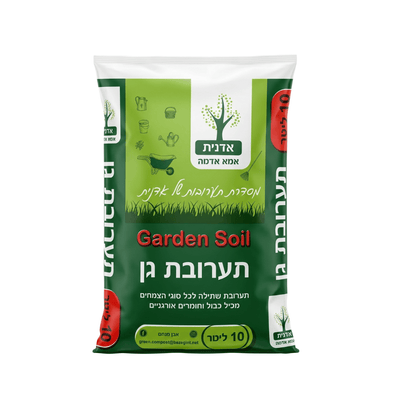 Migdal from the Northern Border 10 liter planting mix
14.00 ₪לעמוד המוצר
Migdal from the Northern Border 10 liter planting mix
14.00 ₪לעמוד המוצר
-
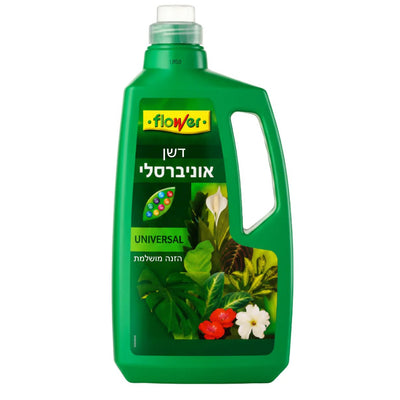 Universal Fertilizer 1.2 liters
45.00 ₪לעמוד המוצר
Universal Fertilizer 1.2 liters
45.00 ₪לעמוד המוצר
-
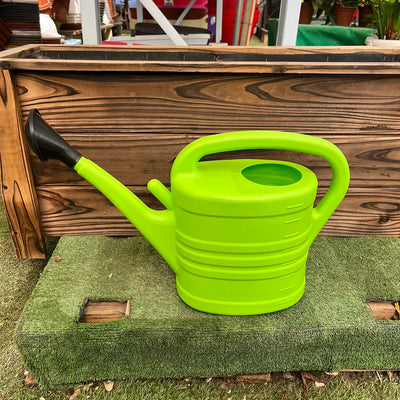 funnel
החל מ-18.00 ₪לעמוד המוצר
funnel
החל מ-18.00 ₪לעמוד המוצר


