🪨 Lithops (Living Stones) | The Complete Guide to Growth and Care
 המוצר מהמדריך זמין באתר
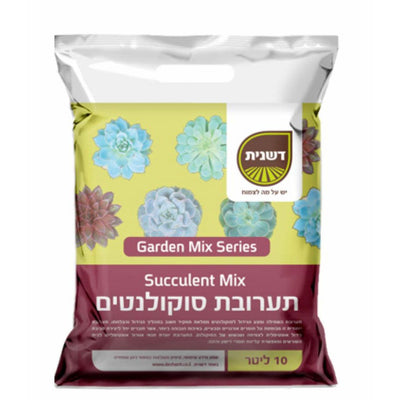
Soil for succulents and cacti - Succulent potting mix
13.00 ₪
📋 Quick Summary - Everything You Need to Know at a Glance
Full sun to very bright light
At least 4-5 hours of direct sun
Strict seasonal schedule
Do not water in summer or during leaf renewal
Moderate-Challenging
Timing is everything
Mimicry succulent
From the Aizoaceae family
1-3 cm per pair of leaves
Up to approx. 15 cm in a mature cluster
🌱 Getting to Know the Plant
Names and Identification
- Hebrew name: Lithops, Living Stones
- Scientific name: Lithops (a genus including about 37 documented species)
- English: Living Stones, Pebble Plants
- Family: Aizoaceae ("Ice plant family")
- Type: Dwarf mimicry succulent
Origin and Background
Lithops originate from Southern Africa - primarily Namibia and South Africa, with bordering areas in Botswana. The name "Lithops" in Ancient Greek means "stone-like" (líthos = stone, óps = face/appearance). The plant develops almost without a stem, as a pair of succulent fused leaves that are mostly buried in the ground - only the partially transparent upper surface ("leaf window") is exposed to the sun, allowing for photosynthesis almost beneath the surface of the soil.
Unique Characteristics
- 🪨 Perfect Camouflage - Shades of cream, gray, and brown with reddish dots and lines on the "leaf window" camouflage the plant among pebbles and rocks in its natural habitat
- 🌸 Spectacular Blooming - A relatively large flower (yellow or white) for the plant's size, usually emerging in the autumn
- 🔄 Unique Annual Leaf Cycle - A new pair of leaves grows inside the old pair and replaces it once a year
- 🐢 Very Slow Growth Rate - A long-lived plant that can survive for decades
- 💧 Water Storage in Leaves - Functions as an underground water reservoir, allowing survival in extreme dryness
🔍 Don't Get Confused
The Hebrew spelling varies, but all refer to the same plant. Because of their perfect camouflage, new buyers sometimes don't realize they are dealing with a live plant rather than a stone decoration - and neglect it, or alternatively, water it like a "regular" succulent. It is important to remember: unlike most succulents that rest once a year, Lithops have two separate rest windows - summer dormancy, and leaf renewal in winter/spring - and you must not water during either of these periods.
💚 Why Choose Lithops
🎨 Varieties and Types
At Deco Garden, Lithops come as a "mix" - every pot is unique in its color and pattern, and is selected from available stock at the time of order. To illustrate the variety of colors and patterns possible within the genus (there are about 37 documented species worldwide), here are some of the most well-known:
Named after the Karas Mountains in Namibia, where it was first discovered
Named for its "olive" color - typical olive-green hue
Named after botanist Juanita Aucamp
Name means "eye-like" - a prominent transparent leaf window
"Salt-dweller" - able to grow in saline soils
Named after the German botanist Gustav Schwantes
🌤️ Detailed Growth Conditions
☀️ Light
- Full sun to extremely bright, clear light
- Recommended minimum: About 4-5 hours of direct sun daily, preferably in the morning
- Indoors: A bright south or west-facing windowsill
- Gradual acclimatization to direct sun is important - a sudden transition to strong sun can cause burns; it is recommended to acclimatize over 10-14 days
- Too little light causes "stretching" (etiolation) - the plant loses its compact, buried shape
💧 Watering - The Most Important Section
Most Lithops do not die from neglect - they die from watering at the wrong time. Unlike most plants, Lithops have a strict seasonal cycle with two time windows where you must not water at all.
Water carefully, only when the soil is completely dry. The most active season - including blooming.
Very slow rate. Little to no water, depending on weather.
No watering! The old pair shrivels and feeds the new pair emerging from within. Water now = rot or splitting.
After the old leaves have completely dried out and the new pair is full - resume gentle watering.
Stop watering completely. Some species almost "disappear" beneath the soil surface.
How do you know when it's okay to water? The safest rule: when in doubt, it's better to wait. Wrinkled leaves during the growing season can indicate thirst; those same wrinkles during dormancy or renewal are a natural and completely normal phenomenon, not a sign of distress. Before watering, ensure the soil is completely dry down to the roots.
🌡️ Temperature
Comfort range: approx. 18-27°C. Tolerates heat up to 32-38°C with good ventilation. Does not tolerate cold below approx. 4°C and is very sensitive to frost - protect from extreme cold. In Mediterranean/desert climates (most of Israel), it generally fits well outdoors, as long as it is protected from direct rain and standing water in winter.
💦 Humidity
- Prefers dry air and good ventilation
- High humidity or stagnant air increases the risk of rot, especially combined with watering - avoid spraying leaves
- Space between pots is important for good air circulation
🌍 Soil
- Mineral-based mixture, low in organic matter, with excellent drainage - not standard garden soil
- Example of recommended substrate: approx. 40% perlite/pumice/tuff, 30% quartz gravel (2-5 mm), 15% coarse sand, 15% quality coco peat/bark
- A fine mineral top-dressing layer (gravel) on the soil surface reduces humidity around the plant base
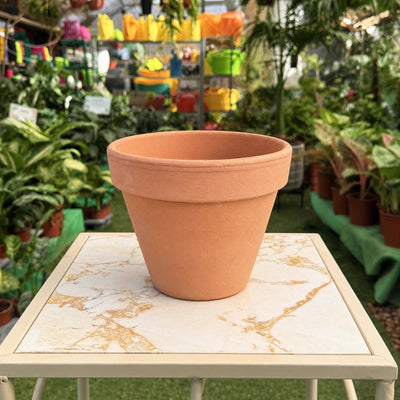
- A pot with drainage holes is a must - Lithops do not forgive standing water
🌿 Fertilization
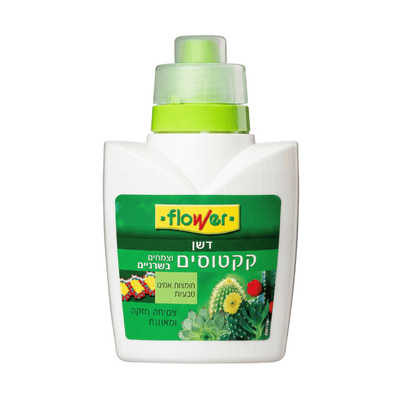
Light fertilization - cactus/succulent fertilizer at one-quarter the recommended concentration, every 6-8 weeks, only when watering.
No fertilization at all. The plant does not need nutrients during this period, and excess nitrogen causes weak, puffy growth that damages its natural "stone" shape.
🌾 Propagation
There are two ways to grow new Lithops - neither is fast:
- Seeds - The most common way. Slow germination, and the young plant will only bloom after several years. Requires great patience.
- Cluster Splitting - When several "heads" develop together and each has its own roots, they can be carefully separated. It is important to let the wound dry before repotting to prevent rot.
🔧 Common Problems and Solutions
🦠 Rot (Overwatering)
Symptom: Soft, dark base, sometimes with an odor.
Cause: Standing water in the soil, or watering during the forbidden period.
Solution: Stop watering immediately, check roots, remove damaged tissue and let the plant dry out.
💥 Leaf Splitting
Symptom: Sudden tear in the leaf.
Cause: Too much water at once after prolonged drought, or watering during leaf renewal.
Solution: Always start with a small amount and increase gradually; never water during renewal.
🍂 Deep Wrinkles
Symptom: The plant looks shriveled and limp.
Cause: During growth season = thirst. During dormancy/renewal = natural and normal.
Solution: Check what season it is before watering.
🔥 Sunburn
Symptom: Permanent white/brown spots on the window.
Cause: Sudden transition from weak light to strong direct sun.
Solution: Acclimatize to sun gradually over 10-14 days; temporary shading until recovery.
🌱 Stretching (Etiolation)
Symptom: The plant lengthens and loses its compact shape.
Cause: Too little light.
Solution: Move to a brighter location, gradually.
🐛 Pests
Mealybugs: Seen as white cotton-like spots between leaves or at the base of the plant. Spot treatment with 70% alcohol on a cotton swab is recommended, along with isolating the infested plant until recovery.
🪨 The Perfect Camouflage - Why Lithops Look Like Stones
In their natural habitat in Southern Africa, Lithops grow among desert pebbles and rocks. The colors and unique patterns on the "leaf window" - shades of cream, gray, and brown with reddish dots and lines, which vary from species to species and according to local growing conditions - camouflage it from herbivores. This adaptation is so successful that for most of the year, it is difficult to distinguish the plant from a real stone - hence the name "Living Stone".
❓ Frequently Asked Questions
There is no fixed answer - it depends on the season. In the growing season (autumn, and late spring), water deeply but rarely, only when the soil is completely dry. In summer and during the leaf renewal period (late winter-spring), do not water at all.
It depends on when. In the dormant season or during leaf renewal, this is a completely natural phenomenon - the old pair shrivels to feed the new pair. In the active growing season, deep wrinkles can indicate thirst.
In two time windows: in summer (full dormancy) and during the leaf renewal period in late winter/spring, when the old pair shrivels and the new pair grows from within. Watering during these periods is the most common cause of Lithops death.
A lot - full sun to very strong light, at least 4-5 hours of direct sun per day. Low light causes the plant to stretch and lose its characteristic shape.
Yes, absolutely - the dry climate and strong sun are excellent for them. The critical point is protection from direct rain and standing water in the winter, precisely when the plant is most sensitive - because the leaf-changing season overlaps with the rainy season in Israel.
📊 Summary Table
| Category | Details |
|---|---|
| ☀️ Light | Full sun, at least 4-5 hours a day, gradual acclimation |
| 💧 Watering | Seasonal schedule only - no water in summer and during leaf change |
| 🌡️ Temperature | Comfortable at 18-27°C, tolerates up to 32-38°C, does not tolerate frost |
| 💦 Humidity | Dry air, good ventilation, do not mist leaves |
| 🌍 Soil | Mineral, low in organic matter, extremely fast drainage |
| 🌱 Fertilizing | Quarter strength, every 6-8 weeks, only during growing season |
| 📏 Size | Approx. 1-3 cm height per pair of leaves, up to 15 cm in a mature cluster |
| 📊 Difficulty Level | Medium-challenging (requires precision in watering) |
| ✨ Special | "Living stone" - natural camouflage and unique annual leaf cycle |
🛒 Shop at Deco Garden
🌿 Deco Garden - Love for Plants
Have a question about your Lithops? The Deco Garden team is here for you - contact us and we'll be happy to help.
© 2026 Deco Garden - All rights reserved
This guide was written by the Deco Garden expert team
🛒 המוצרים מהמדריך
הצמחים והמוצרים שהמדריך מדבר עליהם — לחיצה על כרטיס מעבירה לעמוד המוצר.