🌳 Lychee Tree | The Complete Guide to Growing and Care
 המוצר מהמדריך זמין באתר
Lychee tree in 25 liters (perennial for the garden)
495.00 ₪
📋 Quick Summary - Everything you need to know at a glance
Full sun
6-8 hours a day, no shade
High and consistent
Loves moisture, cannot tolerate waterlogging
Medium-high
Requires patience and heat
Subtropical fruit tree
Evergreen, sensitive to frost
Up to 9-15m at maturity
Slow-growing tree
🌱 Introduction to the plant
Names and Identification
- Hebrew name: Lychee tree (Lychee)
- Scientific name: Litchi chinensis
- English: Lychee / Litchi
- Family: Sapindaceae
- Type: Tropical-subtropical fruit tree, evergreen
Origin and Background
The lychee originated in southern China, where it has been cultivated for over 2,000 years. In Israel, it was first planted in the 1930s, experimental orchards were established in the early 1960s, and commercial cultivation expanded from the late 1970s. Today it is grown mainly in the coastal plain, the Jordan Valley, the southern Golan Heights, the Arbel Valley, and the Galilee - warm regions with a mild winter and no heavy frost.
Unique Characteristics
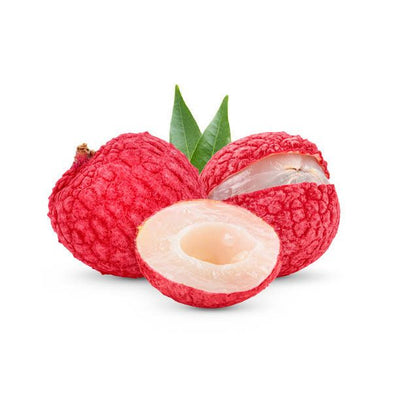
- 🍒 Red-pink fruit with rough skin and a succulent, white, sweet flesh
- 🌳 Dense green foliage year-round - an ornamental garden tree even without fruit
- ⏳ Slow-growing tree - patience is required before it yields a significant crop
- 🌸 Flowering depends on cold - requires a cool winter period to bloom
- 💪 Wind-resistant at maturity, but sensitive to frost when young
- 🌱 Propagated mainly by air layering rather than seeds
🔍 Don't get confused
Lychee (Litchi chinensis) is botanically related to the Longan (Dimocarpus longan) - a similar fruit that is smaller and smoother - and also to the Rambutan (Nephelium lappaceum), which is from a completely different family but similar in appearance ("hairy" skin). All three fruits are known in the market as "exotic tropical fruits," but they are three distinct species with different growing requirements - this guide deals exclusively with the lychee.
💚 Why choose a lychee tree
Grow fruit yourself that is hard to find fresh
Dense green foliage even without fruit
Coast, valleys, and Galilee
Once mature and established
Leaves are resistant to fungi
A mature tree keeps yielding for decades
🌾 Varieties and types
Three main varieties are grown in Israel:
The classic and most common variety, originating from Mauritius
A variety originating from the southern US
A newer variety with large fruit and improved appearance
🌤️ Detailed Growing Conditions
☀️ Light
- Lychee requires full sun for proper growth and fruit production - the more sun the tree gets, the better it will yield
- Branches shaded by other trees usually won't bear fruit at all
- Location: Outdoors only, in warm areas - not suitable as a houseplant
💧 Watering
A young tree needs regular watering to establish roots. A mature tree tolerates dryness better, but during the flowering period until ripening, consistent and high watering is essential - this is the most critical time.
High and continuous watering; do not let the soil dry out
Reduce watering - relative winter dryness is part of the conditions that encourage subsequent flowering
How to tell: The tree does not tolerate flooding, and constantly wet soil can cause root rot - good drainage is mandatory. On the other hand, hot and dry winds during flowering cause flower drop and fruit cracks, so the tree enjoys relatively humid air around it.
🌡️ Temperature
The lychee is a subtropical tree sensitive to frost, especially when young. Heavy frost will kill young trees; mature trees only tolerate light frost. In areas with frost below -4°C, planting outdoors without protection should be avoided, and young trees should be provided with cover or protection on cold nights.
🌸 Important for flowering: Contrary to intuition, lychee actually needs a cool winter period to bloom properly - a few days of low temperatures (below about 20°C at night) while the buds are active are enough to trigger flowering. Without a sufficient "chill requirement" in winter, the tree might not bloom at all.
💦 Humidity
- Lychee loves a humid environment - this is one of the reasons it succeeds in the coastal areas of Israel
- In particularly dry and hot areas, overhead misting during the hottest hours helps reduce heat stress and prevent flower and fruit drop
- Fog and heavy rain exactly during blooming, however, are harmful - balance is the key
🌍 Soil
- Slightly acidic soil - recommended pH range of about 6 to 7
- Well-drained - the tree does not tolerate puddles or prolonged flooding
- Preferably rich in organic matter - sandy loam or clay-loam
- Not suitable for saline soil
- Add mulch (5-15 cm) around the tree, about 20-30 cm away from the trunk, to retain moisture and suppress weeds
🌾 Fertilization
Balanced fertilization with an emphasis on trace elements - manganese, zinc, and iron
Avoid nitrogen-rich fertilizer - excess nitrogen suppresses proper growth and harms flowering
In alkaline soil (rich in lime), leaves may yellow from chlorosis due to lack of iron availability - in such cases, add chelated iron 2-3 times a year.
✂️ Pruning and Maintenance
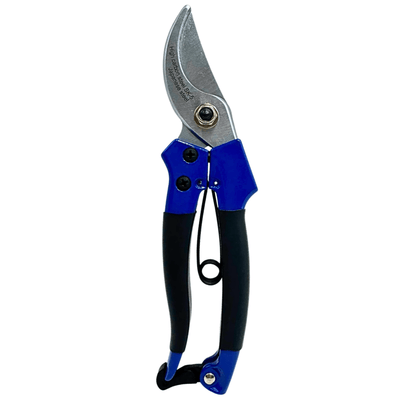
- Lychee hardly needs massive pruning - a light trim of the branch tip with every fruit cluster after harvest is enough to encourage new growth for the next season
- Maintain a layer of mulch around the tree base (but not touching the trunk) - especially important in the hot summer
- Young trees benefit from wind protection - a windbreak reduces leaf drop and broken branches
- Plant at a large distance from other trees/structures - a mature tree can spread 9m or more in width and height
🌱 Propagation
Lychee does not grow "true to type" from seeds (a tree grown from a seed will not necessarily produce fruit like the mother tree), so commercial propagation is almost always done by air layering (marcotting):
- Select a healthy branch 1-2 cm thick and strip a ring of bark around it
- Wrap the stripped area with moist sphagnum moss
- Cover with clear plastic and tie at both ends to retain moisture
- Wait until roots form - about 6 weeks with the modern sphagnum method (compared to about 100 days with the traditional mud ball method)
- Cut below the new roots and plant in a separate pot until the tree is established
Important: Lychee seeds maintain viability for only a short time (about 4-5 days), so they are not practical for home propagation. Seedling trees also significantly delay fruit-bearing. For most home gardeners, the simple way is to just buy a pre-layered or grafted tree.
🔧 Common Problems and Solutions
🍂 Yellowing leaves (chlorosis)
Cause: Too alkaline soil, lack of iron availability.
Solution: Add chelated iron 2-3 times a year; consider soil acidification.
🌸 Tree not blooming
Cause: Insufficient winter cold period, or the tree is still too young (up to 2-5 years after layering, or even longer for seedling trees).
Solution: Patience - a tree in its prime between 20 and 40 years old is considered to have peak fruit production.
🍃 Flower drop / Fruit cracks
Cause: Hot, dry winds during flowering or ripening.
Solution: Wind protection, misting the air around the tree, consistent watering.
💧 Root rot
Cause: Constantly wet soil and poor drainage - the tree cannot tolerate flooding.
Solution: Improve drainage, reduce watering, avoid standing water around the trunk.
🥶 Frost damage to young tree
Cause: Heavy winter frost - young trees are much more sensitive than mature trees.
Solution: Cover/protect young trees on particularly cold nights, and choose a protected location.
🐛 Pests
The most severe pest on foliage - creates "hairy" galls on leaves and can damage up to 80% of the crop
Attach to branches and leaves, weakening the tree
Drawn to ripe fruit and can cause damage to the harvest
In Israel, it has become a significant cause of damage to lychee crops in recent years
❓ Frequently Asked Questions
An air-layered tree usually starts producing fruit after 2-5 years. A tree grown from a seed can be significantly delayed - sometimes 5-12 years or more. Full fruit-bearing maturity is reached only at the age of 20-40.
Likely there wasn't a sufficient cold period in winter. Lychee needs a few days of cold (night temperatures lower than about 20°C) just when the buds are active to trigger flowering - without this, the tree may just continue vegetative growth.
In warm subtropical areas without heavy frost - mainly the coastal plain, the Jordan Valley, the southern Golan Heights, the Arbel Valley, and the Galilee. In regions with a cold winter and deep frost (below -4°C), growing it outdoors is dangerous for the tree.
During the flowering season until ripening - frequent and consistent watering, without letting the soil dry out. In winter, reduce watering to allow the tree a relatively dry resting period, which is part of the process that encourages flowering. Good drainage is always important - the tree does not tolerate waterlogging.
Not recommended. Always wait for the fruit to be red and fully ripe.
📊 Summary Table
| Category | Details |
|---|---|
| ☀️ Light | Full sun, 6-8 hours a day |
| 💧 Watering | High and consistent during flowering-ripening; less in winter; drainage mandatory |
| 🌡️ Temperature | Subtropical, sensitive to frost when young; requires mild winter chill to bloom |
| 💦 Humidity | Loves a humid environment |
| 🌍 Soil | Slightly acidic (pH approx. 6-7), well-drained, rich in organic matter |
| 🌾 Fertilization | Trace elements during the growing season; avoid excess nitrogen before flowering |
| 📏 Size | Up to 9-15 meters or more at maturity, slow growth |
| 📊 Difficulty Level | Medium-high - requires heat, patience, and suitable climate conditions |
| ✨ Special | Niche subtropical crop in Israel - suitable mainly for coastal areas and mild winters |
🛒 Shop at Deco Garden
🌿 Deco Garden - Love for Plants
Do you have a question about growing a lychee tree or any other plant? We are here for you - write to us and we will be happy to help.
© 2026 Deco Garden - All rights reserved
The guide was written by the team of experts at Deco Garden
🛒 המוצרים מהמדריך
הצמחים והמוצרים שהמדריך מדבר עליהם — לחיצה על כרטיס מעבירה לעמוד המוצר.