🌸 Verbena | The complete guide to growing and care
 המוצר מהמדריך זמין באתר
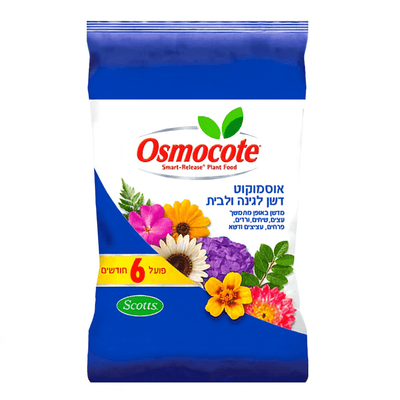
Potting mix, planting soil, fertilizer-enriched
22.50 ₪
📋 Quick Summary - Everything you need to know at a glance
Full sun
At least 6-8 hours of direct light per day
Moderate, drought-tolerant
Once a week in summer without rain
Easy
Suitable for beginners too
Flowering perennial
Usually grown as an annual in cold regions
20-120 cm
Depends on variety - bushy, upright, or trailing
🌱 Getting to know the plant
Names and Identification
- Hebrew Name: Verbena
- Scientific Name: Verbena × hybrida (common garden varieties), and Verbena bonariensis - the tall "Argentinian Verbena"
- English: Garden Verbena / Vervain
- Family: Verbenaceae
- Type: Short-lived perennial, sometimes grown as an annual
Origin and Background
Most garden Verbena varieties originate from South America - the Argentinian Verbena (V. bonariensis) originally came from Argentina, Brazil, and Uruguay. The hybrid varieties common in gardening and nurseries today (Verbena × hybrida) were developed from crosses of several South American Verbena species and have become one of the most popular flowering ornamental plants in the world.
Unique Characteristics
- 💪 Heat and drought tolerant - once established, it survives the Israeli summer nicely
- 🦋 Attracts butterflies and bees - a vibrant and beneficial addition to the garden
- 🌸 Rich and prolonged flowering - from spring to autumn, sometimes year-round in hot areas
- 🧺 Trailing varieties - excellent for hanging baskets and window boxes
- ✂️ Responds great to light pruning - returns to flowering within a few short weeks
- 🌱 Easy to propagate - from seeds or cuttings
⚠️ Not to be confused: Verbena vs. Lemon Verbena
Garden Verbena (the plant in this guide) and Lemon Verbena (Aloysia citrodora / triphylla) do belong to the same botanical family - Verbenaceae - but they are two completely different plants from different genera. Lemon Verbena is grown primarily for its fragrant leaves used for herbal tea, whereas Garden Verbena is grown for its colorful flowers.
🌟 Why choose Verbena
Loves heat and strong direct light
From spring until autumn
A lively addition to the garden
The trailing varieties
Drought-tolerant after establishment
Light pruning brings it back to bloom
🌿 Varieties and Types
🌸 Garden Verbena (Verbena × hybrida)
The most common variety for gardening and containers. Upright-bushy growth, relatively low, rich blooming in colorful clusters - blue, purple, pink, red, yellow, and white.
🦋 Argentinian Verbena (Verbena bonariensis)
A tall and airy variety (up to about 120 cm) with thin, upright stems and purple-pink flower clusters at their tips. Excellent for flower gardens and attracting butterflies; tends to self-seed.
🧺 Trailing Verbena
Low and trailing varieties that spread horizontally. Ideal for hanging baskets, window boxes, and ground cover in beds and borders.
🌤️ Detailed Growing Conditions
☀️ Light
- Verbena needs full sun throughout the day - at least 6-8 hours of direct light.
- In partial shade, growth will be thinner, flowering will decrease significantly, and the risk of powdery mildew increases.
- For container gardening - place in the most sun-exposed spot on the balcony or in the garden.
💧 Watering
Thorough watering about once a week when there is no rain, preferably in the morning and at the base, not over the foliage.
Reduce significantly - in Israel, winter rains are usually sufficient.
How to know when to water: Check that the soil is dry to a depth of about 2-3 cm before watering again. The plant is drought-tolerant after establishment but very sensitive to excess water - soil that is too wet causes root rot and powdery mildew.
🌡️ Temperature
Verbena loves heat and copes excellently with the hot Israeli summer. The softer varieties (bedding types) are sensitive to frost and can be severely damaged by the cold. The stronger perennial varieties, like the Argentinian Verbena, are more resistant, but they too are harmed by strong and prolonged frost. ⚠️ Frost Warning: In the warm coastal and lowland areas, Verbena can be grown as a perennial over several seasons; in the Jerusalem mountains, the Golan, and cold valleys, it is better to treat it as an annual or protect it with horticultural fleece in winter.
🌍 Soil
- Well-drained soil is a must - the plant does not tolerate "wet feet".
- If drainage in the garden is poor, it is better to grow in containers or raised beds.
- Not demanding regarding soil fertility; spacing between plants reduces the risk of fungal diseases.
🌾 Fertilizing
Light fertilizing with a balanced fertilizer (approx. 16-4-8 ratio) in mid-late spring, and again after summer pruning. For containers - slow-release fertilizer or monthly liquid fertilizing.
Reduce or stop fertilizing entirely with the drop in temperatures and slowing of the growth rate.
✂️ Pruning and Maintenance
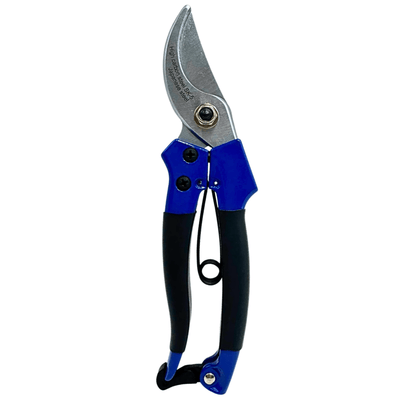
When flowering decreases in mid-summer, prune the plant back by about a quarter of its height and spread, water and fertilize lightly - flowering usually returns within 2-3 weeks.
Throughout the season, it is also recommended to deadhead faded flowers - this encourages continuous blooming.
In autumn, prune only gently - extreme pruning in autumn harms the plant's cold resistance in winter.
🌱 Propagation
- From seeds: Sow indoors about 8-10 weeks before the last frost (or January-March, at a germination temperature of about 21°C). Germination may take several weeks.
- Softwood cuttings: Take in spring and early summer from young, non-woody stems.
- Semi-hardwood cuttings: In late summer, primarily to preserve the plant for winter.
- Division: For varieties that spread by division - the plant can be divided in spring.
Propagation from cuttings is generally considered faster and more reliable compared to seeding. Pinching young plants encourages bushier and denser growth.
🔧 Common Problems and Solutions
🍂 White powder on leaves (Powdery Mildew)
Symptom: A white-gray coating on leaves and stems.
Cause: Powdery Mildew - common when there is partial shade, drought stress, or poor ventilation.
Solution: Move to full light, avoid watering on foliage, provide ventilation space between plants.
🦠 Root rot
Symptom: Wilting despite watering, soft stems at the base.
Cause: Soil too wet or poor drainage (Pythium or Rhizoctonia fungi).
Solution: Improve drainage, reduce watering, consider moving to a pot with drainage holes.
🌸 The plant is not blooming
Symptom: Green and healthy foliage but very few flowers.
Cause: Insufficient light, excess nitrogen in fertilizer, or need for bloom-inducing pruning.
Solution: Move to full sun, prune lightly, and switch to a balanced fertilizer.
🍃 Brown leaf tips
Symptom: Spotting or wilting at leaf tips.
Cause: Usually mild frost damage or extreme drought stress.
Solution: Protect in winter in cold areas, and ensure regular watering in the hot season.
🐛 Pests
Aphids, Whitefly, Thrips, Leaf Miners, as well as Spider Mites, mainly under conditions of drought stress. In rainy seasons, snails and slugs may also appear. RHS leaflets also mention damage from Leafhoppers.
🎨 Uses in the garden
Verbena is suitable for flower beds and borders, for ground cover with trailing varieties, for containers and window boxes, and for butterfly and pollinator gardens. Thanks to its tolerance to drought, it is also a good choice for water-saving gardening (Xeriscaping) under Israeli summer conditions.
❓ Frequently Asked Questions
In summer, when there is no rain, it is recommended to water deeply about once a week. It is important to let the soil dry out slightly between waterings - excess water harms the plant more than a shortage.
Common reasons: lack of sun (needs full sun), excess nitrogen in fertilizer, or the need for light pruning to encourage renewed bloom.
Prune about a quarter of the plant's height and spread, water and fertilize lightly. Flowering should return within about 2-3 weeks.
Yes, especially the trailing varieties that are excellent for hanging baskets and window boxes. It is important to choose a pot with drainage holes and well-drained soil.
Depends on the variety and climate. Some varieties are short-lived perennials that survive several seasons in hot areas like the coast and lowlands in Israel, whereas in cold areas with frost, they actually behave as annuals.
📊 Summary Table
| Category | Details |
|---|---|
| ☀️ Light | Full sun, at least 6-8 hours a day |
| 💧 Watering | Moderate - about once a week in summer without rain, less in winter |
| 🌡️ Temperature | Loves heat; tender varieties are sensitive to frost |
| 💦 Humidity | No special requirements; good ventilation prevents powdery mildew |
| 🌍 Soil | Well-draining - does not tolerate "wet feet" |
| 🌾 Fertilizing | Light balanced fertilizer in spring-summer; stop in autumn-winter |
| 📏 Size | 20-120 cm depending on the variety (shrubby, upright, or trailing) |
| 📊 Difficulty Level | Easy, suitable for beginners |
| ✨ Special | Attracts butterflies and bees; responds to pruning and blooms again within 2-3 weeks |
🛒 Shop Deco Garden
🌿 Deco Garden - Love for Plants
Do you have a question about your Verbena or any other plant? The Deco Garden expert team is here for you.
© 2026 Deco Garden - All rights reserved
The guide was written by the Deco Garden expert team
🛒 המוצרים מהמדריך
הצמחים והמוצרים שהמדריך מדבר עליהם — לחיצה על כרטיס מעבירה לעמוד המוצר.