

Adenium - The Complete Guide to Growing in Israel
 המוצר מהמדריך זמין באתר
Adenium desert rose
200.00 ₪
המוצר מהמדריך זמין באתר
Adenium desert rose
200.00 ₪
A Guide to Growing Adenium (Desert Rose) in Israel – Everything You Need to Know
The Adenium is one of the most spectacular plants you can grow at home, on a balcony, or in the garden. With a swollen, sculptural trunk and colorful pink, red, and white flowers, it is not only beautiful but also durable and relatively easy to care for. In this guide, you will find all the necessary information: from soil and pots to trunk shaping, winter dormancy, and re-flowering.
6+ hours a day
50–80 ml
or less
Loves heat
Soil + Perlite
After dormancy
📋 Table of Contents
🌺 What is an Adenium and why should you grow it?
The Adenium (Adenium obesum), also known as the Desert Rose, is a succulent plant native to Africa and the Arabian Peninsula. In nature, it grows under extreme conditions of heat, drought, and poor soil – which has made it one of the most forgiving plants to grow in Israel.
What makes it special is its swollen trunk (Caudex) that stores water as a reserve, upon which branches grow with breathtaking flowers in shades of pink, red, white, and yellow. In Israel, thanks to the warm climate, the Adenium performs excellently both outdoors and as a balcony houseplant.
Resistant to extreme heat · Forgiving if you forget to water · Spectacular flowering · Unique sculptural trunk · Can be shaped and trained · Suitable for the Israeli climate
🪴 Soil and Pots – The Foundation for Success
The most common mistake among beginner Adenium growers is using heavy soil that retains moisture. The Adenium hates standing water – roots that are too wet cause rot, which kills the plant within days.
Ideal soil recipe for Adenium:
- 50% coarse sand / perlite – for rapid drainage
- 30% regular garden soil – for basic nutrition
- 20% coco peat – for aeration and minimal moisture retention
Choosing a pot:
- Clay / Terracotta – The best choice. It is porous and dries faster than plastic.
- Plastic – Also suitable, but watch out for overwatering.
- Size: A pot slightly larger than the root ball – not too big. A huge pot = overly wet soil.
- Mandatory: A drainage hole at the bottom!
☀️ Light and Location
The Adenium is a full sun plant. The more direct sunlight it receives, the more it will bloom and the healthier it will grow. In Israel, 6–8 hours of direct sunlight per day in the summer is ideal.
| Location | Suitability for Adenium | Notes |
|---|---|---|
| Garden / South-facing balcony | ✅ Perfect | Full sun, maximum flowering |
| West-facing balcony | ✅ Good | Afternoon sun – enough |
| East-facing balcony | Average | Morning sun only – sparse flowering |
| Indoors (windowsill) | Average | Will survive but won't bloom easily |
| Full shade | Not suitable | Will atrophy, lose leaves, and not bloom |
💧 Watering – The Most Important Rule
Overwatering is the number one cause of Adenium death. The swollen trunk stores water for long periods of drought – just like a cactus. Watering should be a deep drink followed by complete drying.
The Golden Rule:
| Season | Frequency | Amount for a 15 cm pot |
|---|---|---|
| Spring (March–May) | Once a week | ~60 ml |
| Summer (June–September) | Once a week, sometimes less | ~80 ml |
| Autumn (October–November) | Once every two weeks | ~50 ml |
| Winter (December–February) | Once a month or less | ~30 ml |
🌿 Fertilizing
The Adenium responds excellently to fertilization during the active growing season (spring–summer). Proper fertilizer = better flowering, a plump trunk, and healthy green leaves.
Fertilizing recommendations:
- Balanced liquid fertilizer (20-20-20 or similar NPK) – once every two weeks in spring and summer
- Phosphorus (P)-rich fertilizer – towards flowering, encourages bud formation
- Potassium (K)-rich fertilizer – in autumn, strengthens the plant for winter
- In winter – no fertilizer at all. The plant is sleeping and doesn't need it.
🎨 Trunk Shaping (Caudex) – How to grow the "koki"
The Adenium's swollen trunk, called the Caudex, is what sets it apart from any other plant. Experienced growers spend years shaping the trunk into spectacular sculptural forms.
How to grow a large and impressive trunk?
- Grow by pruning: Every pruning of a branch encourages the plant to invest more energy into the trunk – it swells and branches out.
- The "lifting" method: Every time you change pots, expose part of the roots above the soil surface. Over time, the roots become part of the trunk and create dramatic shapes.
- Group planting: Three young seedlings planted together and intertwined create an impressive trunk that looks like an ancient tree.
- Branch pruning: Prune branches after flowering to encourage new branches and shape the desired form.
❄️ Winter Dormancy
In winter, when temperatures drop below 15°C, the Adenium enters a state of dormancy. It slows down growth, some leaves may fall off, and the plant remains "asleep" until the warmth returns.
This is a completely normal process – do not panic and do not increase watering in response to leaf loss. This is the most common mistake that kills plants in winter.
How to manage proper dormancy?
- Stop fertilizing from October onwards
- Reduce watering gradually: September → once every two weeks, October–November → once a month, December–February → minimal only (30 ml once a month exactly)
- Protect from winter rain – preferably move to a covered balcony
- Minimum temperature: not below 5°C. Below that – bring it inside
🌸 How to encourage flowering?
One of the most common questions: "Why is my Adenium not blooming?" Here are the factors and solutions:
- Insufficient sun – this is the most common reason. Move to a sunnier location.
- Did not undergo winter dormancy – full dormancy and re-exposure to heat stimulates flowering.
- Excess Nitrogen (N) in fertilizer – causes leaf growth at the expense of flowers. Switch to a phosphorus-rich fertilizer.
- Pot too big – a plant in a large pot will try to expand its roots instead of blooming. A "snug" pot is better.
- Age – young seedlings (under a year old) usually do not bloom. Give it time.
🐛 Common pests and diseases
| Problem | Signs | Solution |
|---|---|---|
| Spider mites | Yellow spots on leaves, fine webs | Ecological soap spray + increase humidity |
| Mealybugs | White cottony spots in corners | Alcohol on cotton swab, neem oil spray |
| Root rot | Soft trunk, yellow leaves, bad smell | Remove from pot, root pruning, drying and replanting |
| Scale | Brown lumps on stems | Manual scraping + paraffin oil spray |
| Yellow leaves in winter | General shedding | Normal! Part of dormancy. Don't water more |
📅 Seasonal Adenium Calendar in Israel
🌸 Spring (March–May)
- Resume watering
- Start fertilizing
- Repotting / Changing soil
- Pruning and shaping branches
- Flowering! 🌺
☀️ Summer (June–September)
- Weekly watering
- Bi-weekly fertilization
- Protect from extreme heat at noon
- Continued flowering
🍂 Autumn (October–November)
- Reduce watering
- Stop fertilizing
- Switch to potassium fertilizer
- Preparation for dormancy
❄️ Winter (December–February)
- Minimal watering
- No fertilizing
- Protection from rain and cold
- Leaf shedding – normal
❓ FAQ
Is Adenium suitable for indoor growing?
It will survive indoors on a sunny windowsill (south/west), but will not bloom easily and will grow more slowly. A balcony with direct sun is better.
How long does it take for an Adenium to bloom from seed?
From seed: 1.5–3 years until first flowering. From a cutting/existing plant: usually blooms already in the first year after winter dormancy.
My Adenium leaves are falling off – what to do?
In winter – this is completely normal. In summer – check for overwatering, lack of sun, or pests. Most common: overwatering.
Can I plant several Adeniums together?
Yes! A very popular method. Three seedlings together in one pot create the look of a unique desert tree with intertwined trunks.
When is the right time to repot?
When the roots "escape" from the drainage holes, or once every 2–3 years. The best time: early spring (March–April).
✅ Summary – 7 Rules for a Flourishing Adenium
- 🌞 Full sun – at least 6 hours a day
- 💧 Water sparingly, dry quickly – let the soil dry out between waterings
- 🏺 Draining soil – perlite + sand, not heavy soil
- ❄️ Proper winter dormancy = spectacular spring flowering
- ✂️ Pruning encourages flowering and a beautiful swollen trunk
- 🌱 Fertilize during the growing season only, phosphorus-rich before flowering
- ⚠️ Don't panic at winter leaf loss – it's a normal part of the cycle
🛒 המוצרים מהמדריך
הצמחים והמוצרים שהמדריך מדבר עליהם — לחיצה על כרטיס מעבירה לעמוד המוצר.
-
 Adenium desert rose
החל מ-200.00 ₪לעמוד המוצר
Adenium desert rose
החל מ-200.00 ₪לעמוד המוצר
-
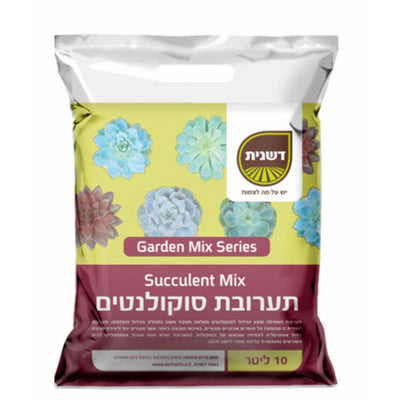 Soil for succulents and cacti - Succulent potting mix
החל מ-13.00 ₪לעמוד המוצר
Soil for succulents and cacti - Succulent potting mix
החל מ-13.00 ₪לעמוד המוצר
-
 Potting mix, planting soil, fertilizer-enriched
החל מ-22.50 ₪לעמוד המוצר
Potting mix, planting soil, fertilizer-enriched
החל מ-22.50 ₪לעמוד המוצר
-
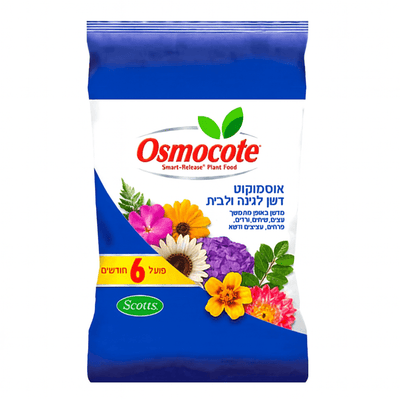 Osmocote fertilizer for garden and home, active for 6 months
החל מ-65.00 ₪לעמוד המוצר
Osmocote fertilizer for garden and home, active for 6 months
החל מ-65.00 ₪לעמוד המוצר
-
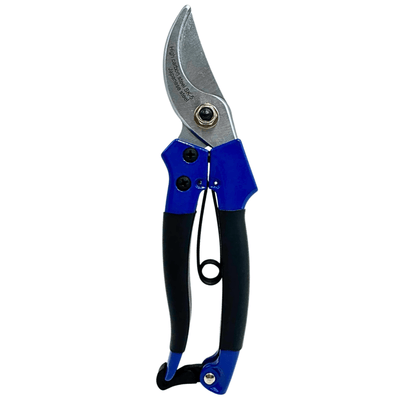 B-4282 manual bypass pruner
49.99 ₪לעמוד המוצר
B-4282 manual bypass pruner
49.99 ₪לעמוד המוצר


