🌿 Baby Tears (Soleirolia soleirolii) | The Complete Growing and Care Guide
 המוצר מהמדריך זמין באתר
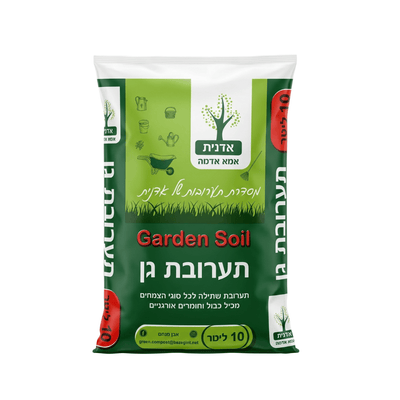
Migdal from the Northern Border 10 liter planting mix
14.00 ₪
📋 Quick Summary - Everything you need to know at a glance
Bright indirect light, partial-full shade
No direct sun - burns leaves
Regular and frequent
Soil always moist - do not let dry!
Easy-Intermediate
Very sensitive to dehydration
Creeping herbaceous
Carpet of tiny leaves
2-5 cm height
Spreads horizontally indefinitely
🌱 Getting to know the plant
Names and Identification
- Hebrew name: Baby's Tears / Creeping Helxine
- Scientific name: Soleirolia soleirolii (formerly Helxine soleirolii)
- English: Baby's Tears, Mind-Your-Own-Business, Corsican Curse, Angel's Tears
- Family: Urticaceae
- Type: Creeping herbaceous, perennial, forms a dense carpet
Origin and Background
The plant originates from Corsica, Sardinia, and the Balearic Islands in the Mediterranean. Thanks to its dense and rapid growth, it has naturalized in humid regions around the world and is very common as a houseplant, a plant for terrariums, and as a ground cover in shaded gardens.
Unique Characteristics
- 🌿 Exceptionally tiny leaves (about 5 mm) that form a thick and uniform green carpet
- 🕸️ Creeping and spreading growth - covers any available damp surface quickly
- 💧 Living "moisture gauge" - collapses and browns within hours if the soil dries out, and recovers if watered in time
- 🏺 Perfect for trailing over the edges of pots and for carpeting the bottom of a terrarium
- 🎨 Variants also exist in golden or silver-speckled shades, but they are rare, less hardy, and tend to "revert" to green over time
⚠️ Please note - common name confusion
- The English name "Baby's Tears" is sometimes also given to a completely different plant - Hypoestes phyllostachya ("Polka Dot Plant"). It is important to always verify the scientific name: Soleirolia soleirolii.
- There is further confusion with "Irish Moss" (Scientific name: Sagina subulata) - another moss-like plant from an entirely different family.
- Pilea depressa ("Dwarf Baby's Tears") is also sometimes marketed under a similar name - it looks similar but is more hardy in terrarium conditions.
💚 Why choose Baby's Tears
🍀 Varieties and Types
Soleirolia soleirolii - this is the form Deco Garden grows and sells: tiny green leaves, dense and uniform carpet.
Rarer on the market, less hardy, and generally tend to gradually revert to the original green color.
🌤️ Detailed growing conditions
☀️ Light
- Bright indirect light to partial-full shade - the plant actually likes shaded corners
- Direct sun burns and scorches the tender leaves in a short time
- Indoors: Keep a little away from the window, and certainly not right next to a south/west-facing pane
💧 Watering
The main rule for Baby's Tears: The soil must remain moist all the time. This is the #1 cause of failure - even a one-time drying out causes the plant to collapse and brown within hours.
Near-daily check; usually will need watering every 1-3 days, especially in air-conditioned homes in Israel
Longer intervals between waterings, but never let the soil dry out completely
How to know when to water: Touch the soil - as soon as the top layer starts to dry, it is time. If the leaves are already wilting or browning - that is already a sign that dehydration has occurred, water immediately.
🌡️ Temperature
Comfort range: about 16-24°C during the day, slightly cooler at night. The plant prefers moderate temperatures and does not like extreme heat. Frost warning: The plant is sensitive to frost and can be seriously damaged or die when exposed to extreme cold - for growers outdoors in the mountains and cold valleys of Israel in winter, it is advisable to bring it inside or protect it on cold nights. Also avoid direct proximity to a hot/cold AC vent.
💦 Humidity
High humidity is a critical condition for success - not just an "advantage". In dry air, the plant loses water from the leaves faster than the roots can supply it, and then it collapses even if the soil is moist. In the Israeli climate, and especially in air-conditioned homes in the dry summer, it is recommended to grow in a closed terrarium or have a gravel tray with water under the pot. Daily misting can help but is not a substitute for proper watering.
🌍 Soil
- Mixture rich in organic matter, which drains well but retains moisture
- Preference for slightly acidic pH (about 5-6)
- For classic terrarium substrate: potting soil + perlite/peat to improve drainage
🌾 Fertilization
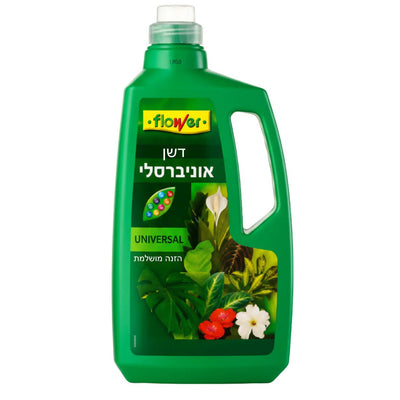
Balanced liquid fertilizer, diluted to half the concentration recommended on the package, once every two weeks
Stop or significantly reduce fertilization - the plant is in a resting period
✂️ Pruning and Maintenance
🌱 Propagation
- Remove the plant gently from the pot
- Divide the root ball and green carpet into several parts, using your hands or a clean knife
- Plant each part in a separate pot with moist substrate
- Cover with a transparent plastic bag or cover for a few days to maintain high humidity until established
- Continue watering regularly - thanks to the plant's natural fast growth rate, establishment is usually quick
Division is the most common and recommended propagation method for this plant.
🔧 Common problems and solutions
🍂 Sudden collapse and browning
Reason: Soil dried out - even once. Solution: Water immediately to the depth; usually the plant recovers within hours to a day if not completely dry. Prune brown leaves that don't recover.
🟡 Yellow leaves
Reason: Overwatering or poor drainage. Solution: Ensure the pot drains excess water, and don't leave it standing in a saucer with water.
🦠 Gray mold / root rot
Reason: High humidity combined with poor ventilation. Solution: Improve ventilation around the plant, remove infected leaves, and temporarily reduce watering.
🌱 Plant "escaping" beyond the pot
Reason: Natural fast growth rate. Solution: Regular pruning and division into additional pots when it spreads too much.
🐛 Pests
The most common pests are aphids, whiteflies, and scale. With regular inspection and early treatment - wiping leaves or spraying with neem oil - they can be controlled relatively easily.
🏺 Special uses
❓ Frequently asked questions
The most common reason is drying out - even a short drying of the soil causes the plant to collapse and brown within hours. Another reason, mainly for yellow leaves, is overwatering without sufficient drainage.
There is no set interval - the rule is to check the soil, not the schedule, and make sure it never dries out. In the hot and dry Israeli summer, and especially in air-conditioned homes, it may be necessary to water every day or two.
Yes - it is one of the most popular plants for closed terrariums and glass gardens because the closed environment maintains exactly the high humidity it needs to thrive.
The simplest and most common way is division - separating the root ball into several parts and planting them separately in moist substrate.
According to Israeli sources, the plant is suitable for growing in most parts of the country, except for hot and arid regions like the Negev, the Jordan Valley, and the Arava. In these regions, it is recommended to grow it as an indoor shaded plant, not in a garden exposed to the sun.
📊 Summary Table
| Category | Details |
|---|---|
| ☀️ Light | Bright indirect light / partial-full shade, no direct sun |
| 💧 Watering | Regular and frequent - soil must always remain moist |
| 🌡️ Temperature | Moderate, about 16-24°C, no frost |
| 💦 Humidity | High - terrarium or gravel tray recommended in air-conditioned homes |
| 🌍 Soil | Rich, draining but moisture-retaining, slightly acidic pH |
| 🌾 Fertilization | Balanced liquid, diluted, once every two weeks in spring-summer; not in winter |
| 📏 Size | About 2-5 cm high, spreads laterally with no natural limit |
| 📊 Difficulty Level | Easy-Moderate - very sensitive to dehydration |
| ✨ Special | Living green carpet - the ultimate plant for terrariums and shaded ground cover |
🛒 Shop Deco Garden
🌿 Deco Garden - A Love for Plants
Do you have a question about Baby Tears or any other plant? Our team of experts will be happy to help - contact us or visit us.
© 2026 Deco Garden - All rights reserved
The guide was written by the Deco Garden expert team
🛒 המוצרים מהמדריך
הצמחים והמוצרים שהמדריך מדבר עליהם — לחיצה על כרטיס מעבירה לעמוד המוצר.