🤍 Bacopa | The Complete Growing and Care Guide
 המוצר מהמדריך זמין באתר
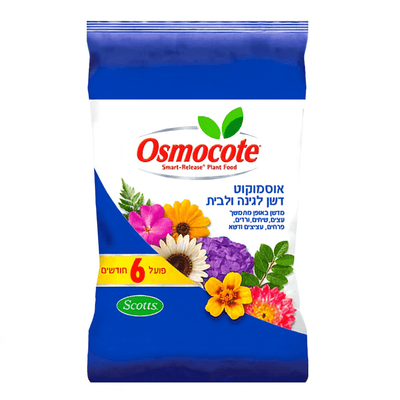
Potting mix, planting soil, fertilizer-enriched
22.50 ₪
📋 Quick Summary - Everything you need to know at a glance
Full sun to partial shade
For maximum bloom - 4-6 hours of sun
Frequent and consistent
Cannot tolerate drying out!
Moderate
Requires consistent watering
Trailing subshrub
Perennial in warm regions
Height about 15-20 cm
Trailing/spread up to 60-90 cm
🌱 Getting to know the plant
Names and identification
- Hebrew name: Bacopa
- Scientific name: Sutera cordata (Synonym: Chaenostoma cordatum)
- English: Bacopa, ornamental bacopa
- Family: Scrophulariaceae
- Type: Trailing herbaceous subshrub, with a creeping-trailing growth habit
Origin and background
Bacopa originates from South Africa, mainly in the southern coastal region. In nature, it is a short-lived trailing perennial (hardiness zones 9-11), while in colder regions it is usually grown as an annual. The species name "cordatum" refers to the heart-shaped form of the small leaves.
Unique characteristics
- 💐 Tiny, continuous blooms - dozens of small flowers in white, pink, blue, or purple throughout the growing season
- 🍃 Small heart-shaped leaves with delicate serrated edges
- 🌿 Trailing-creeping growth habit - perfect for hanging baskets, planters, and window boxes
- ✂️ Self-cleaning - faded flowers fall off on their own, no need for deadheading
- 📈 Fast growth rate - fills pots and planters relatively quickly
- ❄️ Reasonably cold-hardy, but sensitive to heat waves and extreme heat
⚠️ Please note - do not confuse!
There is common confusion between ornamental Bacopa (Sutera cordata / Chaenostoma cordatum) - the trailing garden plant in this guide - and Bacopa monnieri, a completely different water/marsh plant also known as "Water Hyssop," used in aquariums and traditional Indian herbal medicine. The two plants are not botanically related and do not belong to the same genus - all the information in this guide refers exclusively to the ornamental garden Bacopa.
💚 Why choose Bacopa
🎨 Common bloom shades
Bacopa comes in several common bloom shades found in nurseries. They all share the same growing requirements - the difference is in the flower color:
The most classic and common shade, dense and prolific white blooms
Delicate pastel shades of pink
A cool and unique shade, less common among trailing ornamental plants
🌤️ Detailed growing conditions
☀️ Light
- Full sun to partial shade - blooming is richest in full sun
- In regions with hot, extreme Israeli summers, it is recommended to provide some shade during the hot midday hours to prevent leaf burn and flower drop
- A location with morning sun and partial shade in the afternoon works well in the Israeli summer
💧 Watering
Bacopa cannot tolerate soil drying out - its roots are shallow and it requires uniform moisture. Unlike many plants that wilt visibly when dry, Bacopa reacts to drought by shedding buds and flowers and stopping blooming, and recovery can take several weeks.
Frequent watering, sometimes daily in pots during extreme heat - keep the soil moist but not saturated
Significantly reduce watering frequency, and water only when the top layer of soil begins to dry out
How to know when to water: Check with your finger about 2-3 cm deep in the soil - if it's dry, it's time to water. Do not wait for the leaves to look wilted.
🌡️ Temperature
Bacopa loves mild weather and struggles in extreme heat - during the peak of a hot and dry Israeli summer, blooming may decrease. It originates from a South African coastal region with a mild winter, so it is sensitive to hard and prolonged frost. In mountain and cold valley regions in Israel, it is recommended to protect it on particularly cold nights, or grow it as an annual and replace it each season.
🌍 Soil
- Well-drained soil rich in organic matter
- Good drainage is critical - excess water can cause root rot
- Suitable for a standard potting mix for pots and planters with good drainage
🌱 Fertilization
Balanced water-soluble fertilizer, every 2-3 weeks for plants in the ground, and every 1-2 weeks for plants in pots and planters (the more intense growth in containers requires more frequent fertilization)
Significantly reduce or stop fertilization in the cold season
Type of fertilizer: Balanced water-soluble fertilizer, according to the manufacturer's instructions. Over-fertilization may encourage foliage at the expense of blooms.
✂️ Pruning and maintenance
Bacopa is self-cleaning - faded flowers fall off on their own and there is no need to pick them off regularly. However, it is recommended to prune lightly about 5-6 cm every once in a while (especially when the plant becomes leggy or "straggly"), to encourage branching, maintain a compact shape, and improve air circulation between the branches - which reduces the risk of fungal diseases.
🌿 Propagation
The common way to propagate Bacopa is through stem cuttings:
- Cut a stem cutting about 8-10 cm long, just below a leaf node
- Remove the lower leaves from the cutting
- You can dip the tip of the cutting in rooting powder (optional, but speeds up the process)
- Plant the cutting in a well-drained and moist potting mix
- Place in a bright location but without direct sun until rooted (several weeks), while keeping the soil consistently moist
🔧 Common problems and solutions
🍂 Brown leaves / burns
Cause: Too intense direct sun during the hot midday hours in summer.
Solution: Provide some shade at noon, or move to a location with morning sun and partial shade in the afternoon.
🥀 Flower drop and cessation of blooming
Cause: The most common cause - soil dehydration.
Solution: Water immediately and maintain consistent moisture; recovery may take several weeks.
💛 Yellow leaves
Cause: Lack of water, iron deficiency, or too high soil pH.
Solution: Check the watering regime; if the problem persists, consider fertilizing with chelated iron.
🍄 Root / stem rot
Cause: Saturated soil and poor drainage.
Solution: Improve drainage, reduce watering, and ensure the pot/planter has proper drainage holes.
🐛 Pests
The most common pests on Bacopa are aphids, spider mites, whiteflies, and thrips. Under conditions of excessive humidity or poor ventilation, fungal diseases such as botrytis or powdery mildew may also appear. Regular inspection of the undersides of the leaves and manual removal/early treatment prevent outbreaks.
🏡 Uses and design ideas
- 🪴 Classic "Spiller" - trailing plant on the edges of mixed containers and planters, creates a green-blooming waterfall
- 🧺 Standalone hanging basket - full coverage and blooms from all sides
- 🪟 Window boxes
- 🌿 Ground cover for small areas in the garden - creates a blooming carpet and reduces weed growth
- 💡 Tip: It is worth combining in a mixed container with a plant that visibly wilts when thirsty (like Coleus or Verbena) - this way you will know when it's time to water the Bacopa, which doesn't show signs of thirst as clearly
❓ Frequently asked questions
In the hot season, water frequently - sometimes daily in pots during extreme heat - and keep the soil consistently moist. In winter, reduce frequency and water only when the top layer of soil begins to dry out.
The most common cause is soil dehydration - unlike many plants, Bacopa reacts to drought by dropping buds and stopping blooming instead of showing wilted leaves. Other causes: lack of sun, extreme midday summer heat, or lack of fertilization.
No. These are two completely different plants - ornamental garden Bacopa (Sutera cordata) described in this guide, versus Bacopa monnieri, which is a water/marsh plant used in aquariums and traditional Indian medicine. They are not botanically related.
Bacopa loves mild weather and struggles in extreme heat and heat waves. In the Israeli summer, a location with partial midday shade and more frequent watering is recommended; it blooms best in the spring and autumn.
Not mandatory - Bacopa is self-cleaning and faded flowers fall off on their own. Light pruning every once in a while can encourage branching and a more compact shape.
📊 Summary table
| Category | Details |
|---|---|
| ☀️ Light | Full sun to partial shade, at least 4-6 hours of sun for maximum bloom |
| 💧 Watering | Frequent and consistent; do not let the soil dry out completely |
| 🌡️ Temperature | Loves mild weather (spring/autumn); sensitive to heat waves and extreme heat; sensitive to hard and prolonged frost |
| 🌍 Soil | Well-drained, rich in organic matter |
| 🌱 Fertilization | Balanced water-soluble fertilizer, every 1-3 weeks during the growing season |
| 📏 Size | Height approx. 15-20 cm, trailing/spread up to 60-90 cm |
| 📊 Difficulty Level | Medium - requires consistent watering |
| ✂️ Special | Self-cleaning - no need to deadhead wilted flowers |
🛒 Shop Deco Garden
🌿 Deco Garden - Love for Plants
With Bacopa, as with any plant, success begins with a proper understanding of its needs. Do you have a question about your Bacopa? The Deco Garden team is here for you.
© 2026 Deco Garden - All Rights Reserved
This guide was written by the Deco Garden expert team
🛒 המוצרים מהמדריך
הצמחים והמוצרים שהמדריך מדבר עליהם — לחיצה על כרטיס מעבירה לעמוד המוצר.