
ZZ Plant and Raven: Identification, Light, Watering, and Pot Selection
 המוצר מהמדריך זמין באתר
Coconut Zamia - a houseplant that is very difficult to kill
60.00 ₪
The ZZ plant is a houseplant resistant to dry periods, but “resistant” does not mean it can be placed in the dark or left in water. Consistent care is based on indirect light, significant drying of the substrate between waterings, free drainage, and repotting only when the roots truly need space.
What is special about the ZZ Raven?
Raven is the common trade name for the variety Zamioculcas zamiifolia 'Dowon'. According to the plant patent, the variety was selected in 2006 at a nursery in South Korea. The RHS and NC State document it as a variety with dark foliage and water-storing rhizomes.
New growth opens green and then gradually darkens to deep purple or near-black over the course of about 1–2 months, depending on growing conditions. Therefore, new green leaves on a Raven are not a mistake and are not a sign that the plant has “lost” its variety.
Deco Garden's ZZ Raven is sold in a nominal 14 cm nursery pot. The product page image is an actual photograph taken at the nursery; the number of stems, height, and stage of darkening vary among living plants.
Light and Placement: Shade tolerance is not growing in the dark
RHS, NC State, and UF/IFAS describe the ZZ plant as one that adapts to a wide range of light. Indoors, a good starting point is bright indirect light. It can also hold up in lower light, but growth will usually be slower and watering will be required less frequently.
Strong direct sun can scorch leaves, especially after a transition from a nursery or a dark room. If you want to add gentle morning sun, do so gradually. No plant lives without light; a windowless room requires appropriate grow lighting.
Watering and Drainage: The state of the medium is what matters
The plant stores water in fleshy rhizomes beneath the medium. Therefore, water only after most of the medium has dried, not on a set day. When the time comes, water slowly until water comes out of the drainage holes, and discard all excess.
- Check using a finger or a skewer past the top layer.
- Lift the pot and compare its weight to how it feels after watering.
- If the medium is still moist deep down, wait and check again later.
- Once most of the medium is dry, water evenly and allow for full drainage.
- In a decorative cachepot, remove the nursery pot for watering and return it only after dripping has stopped.
The drying rate varies by season, amount of light, pot volume, medium composition, and air circulation. A schedule of “once a week” or “once a month” could be incorrect in two different homes.
Medium, Rhizomes, and Fertilizing
UF/IFAS recommends a well-drained medium based, among other things, on peat and bark, and the RHS emphasizes well-drained compost. In home gardening, the goal is a mix that provides both water retention and air pockets, inside a container with an open drainage hole.
General potting mix can be used as a base only after checking its texture and drainage rate. Perlite is a possible component for adding light and porous particles, but there is no single mixing ratio that suits every medium and every home, and it is not used as a soil on its own.
Fertilize during active growth and at the dosage on the product label. Do not fertilize to “fix” wet medium, damaged roots, or lack of light.
Exact dimensions: What 14, 18, and 24 cm actually mean
ZZ Raven is sold in a 14 cm nursery pot, and the Green ZZ plant in 18 or 24 cm nursery pots. These are commercial rim-to-rim measurements; they do not indicate the base diameter, height, root ball width, or the inner diameter of another container.
On mobile: Swipe the table to the sides to see all columns.
| Variant in store | Conversion to inches | Repotting opening range | What you must measure |
|---|---|---|---|
| 14 cm nursery pot — ZZ Raven | ~5.5 inches | ~16.5–19 cm inner diameter, only if plant is crowded and roots fill the pot | Outer rim, base, height, and root ball |
| 18 cm nursery pot | ~7.1 inches | ~20.5–23 cm inner diameter, only if plant is crowded and roots fill the pot | Outer rim, base, height, and root ball |
| 24 cm nursery pot, 10 liters | ~9.4 inches | ~26.5–29 cm inner diameter, only if plant is crowded and roots fill the pot | Outer rim, base, height, and root ball |
The range is based on general Extension guidance to move to a container about 1–2 inches larger in diameter, meaning 2.5–5 cm. This is a starting point, not a guarantee of fit: if the root ball is smaller than the nursery pot diameter, measure the actual ball and avoid excess wet medium.
What does this mean for the terracotta in the store?
The classic terracotta pot is sold in nominal external sizes of 7, 9, 11, 13, 15, 17, and 23 cm. For a Raven in a 14 cm pot, the 17 cm size is merely a candidate, and only after measuring the internal diameter and the root ball. For a ZZ plant in an 18 cm pot, the 23 cm size can only be a candidate if the actual internal diameter falls within the required range. For a 24 cm nursery pot, none of the terracotta sizes up to 23 cm are verified candidates for moving to a larger container.
The interior dimensions of the terracotta have not yet been measured in the warehouse, so no size is locked for this variant. The terracotta guide explains how to measure before ordering.
A decorative cachepot is not a planting pot
When using the modern ceramic pot, leave the plant in the nursery pot. Measure the wide rim, base diameter, and external height of the nursery pot; the pot opening, base, and internal depth must be larger than those measurements. The commercial sizes 15, 21, and 30 cm are not verified internal measurements, so no variant is locked here either.
Common signs and what to check first
- Soft bases, unusual odor, or medium that remains wet: Stop watering and immediately check drainage holes, standing water, and the state of the rhizomes.
- Small, widely spaced new leaves: Check if the spot is too dark, and gradually move it closer to bright indirect light.
- Pale or brown spots on the side facing the window: Check if there was sudden exposure to direct sun.
- Roots or rhizomes distorting the pot: This is a good sign to check for moving to a slightly larger pot, not a large jump in size.
- Dust on the leaves: Wipe gently with a damp cloth; there is no need for leaf shine products.
Four complementary products, with a clear reason
10 Liter Potting Mix
A possible base for home medium. The quantity and the need for added aeration depend on the container, root ball, and composition of the bag.
Mix details1 Liter Perlite
A small amount for test-mixing into medium. It adds light and porous particles but is neither soil nor fertilizer.
Select PerliteTerracotta Pot with drainage hole
Option for direct planting only when the plant is crowded and after measuring the internal diameter and depth. The size on the pot is not a guarantee of fit.
Check terracotta sizesCeramic Cachepot
For a tidy look without disturbing the root ball. Measure internal opening, base, and height before choosing a size.
Select cachepotFAQ
How often to water a ZZ plant?
There is no fixed number of days. Check past the top layer, water after most of the medium has dried, and discard all excess.
Can a ZZ plant grow in a dark room?
It tolerates lower light than many houseplants, but it does not live without light. For good growth, choose bright indirect light; a windowless room requires appropriate grow lighting.
When to move a ZZ plant to a larger pot?
Only when there are signs of crowding, distortion of the pot, roots coming out of drainage holes, or medium that is no longer functioning. Choose a slightly larger container with a drainage hole; do not jump to a much larger volume.
Are ZZ plant and Zamia furfuracea the same plant?
No. The ZZ plant is Zamioculcas zamiifolia from the Araceae family, native to tropical East Africa. Zamia furfuracea is a cycad from a different family, native to Mexico.
Why are the new leaves of the Raven ZZ green?
This is normal development for the 'Dowon' variety: leaves open green and gradually darken to deep purple or near-black over 1–2 months, depending on growing conditions.
Professional Sources and Media Licensing
- Kew Plants of the World Online — Zamioculcas zamiifolia
- Plant Patent — 'Dowon' variety source and color change process
- Royal Horticultural Society — Dowon / Raven
- NC State Extension — Raven ZZ
- Royal Horticultural Society — Light, medium, and temperature
- UF/IFAS Extension — ZZ plant home care
- UF/IFAS Extension — Commercial growth and container dimensions
- NC State Extension — Identification and growing conditions
- Iowa State Extension — Drainage and care
- Penn State Extension — When to repot a houseplant
- Illinois Extension — 1–2 inch larger container
- Kew — Zamia furfuracea, the separate species
🛒 המוצרים מהמדריך
הצמחים והמוצרים שהמדריך מדבר עליהם — לחיצה על כרטיס מעבירה לעמוד המוצר.
-
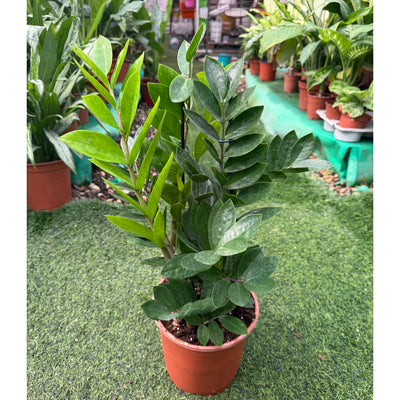 Coconut Zamia - a houseplant that is very difficult to kill
החל מ-60.00 ₪לעמוד המוצר
-
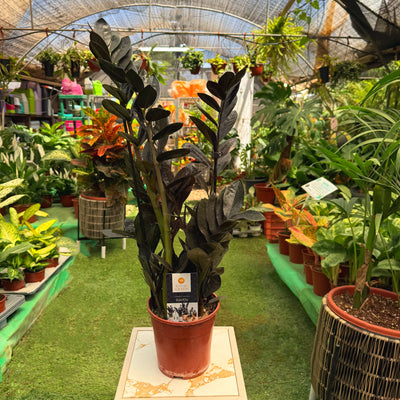 ZZ Plant Black Raven, 14 cm pot diameter
190.00 ₪לעמוד המוצר
-
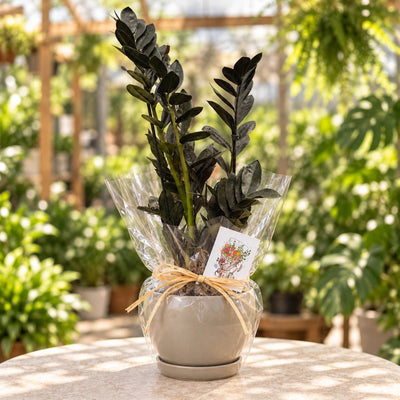 Black Raven Zamia in a gift box with a grey ceramic pot and a personalized note
298.80 ₪לעמוד המוצר
-
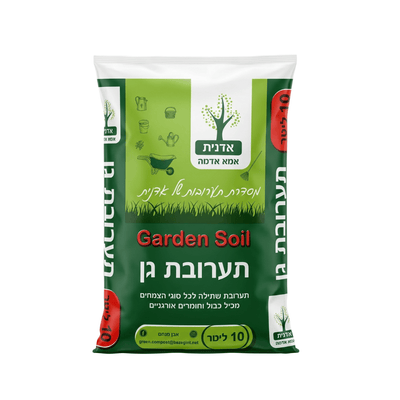 Migdal from the Northern Border 10 liter planting mix
14.00 ₪לעמוד המוצר
-
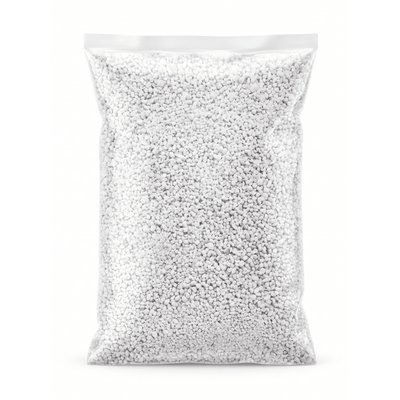 Perlite
החל מ-12.90 ₪לעמוד המוצר
-
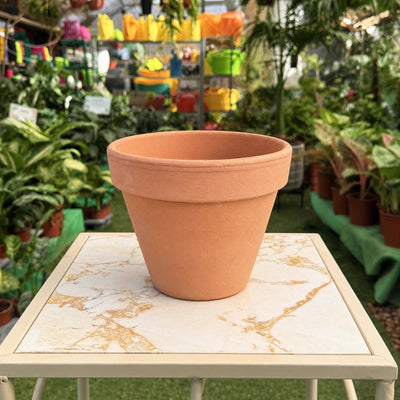 Classic terracotta clay jug
החל מ-5.00 ₪לעמוד המוצר
-
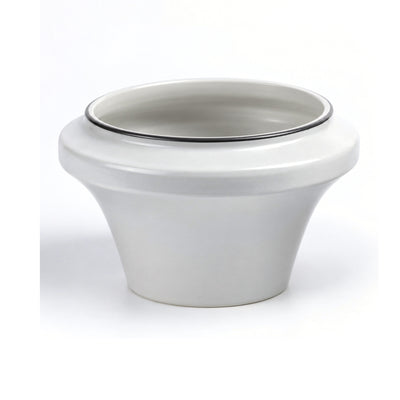 Modern ceramic dishes in a variety of colors and sizes
החל מ-48.00 ₪לעמוד המוצר
