
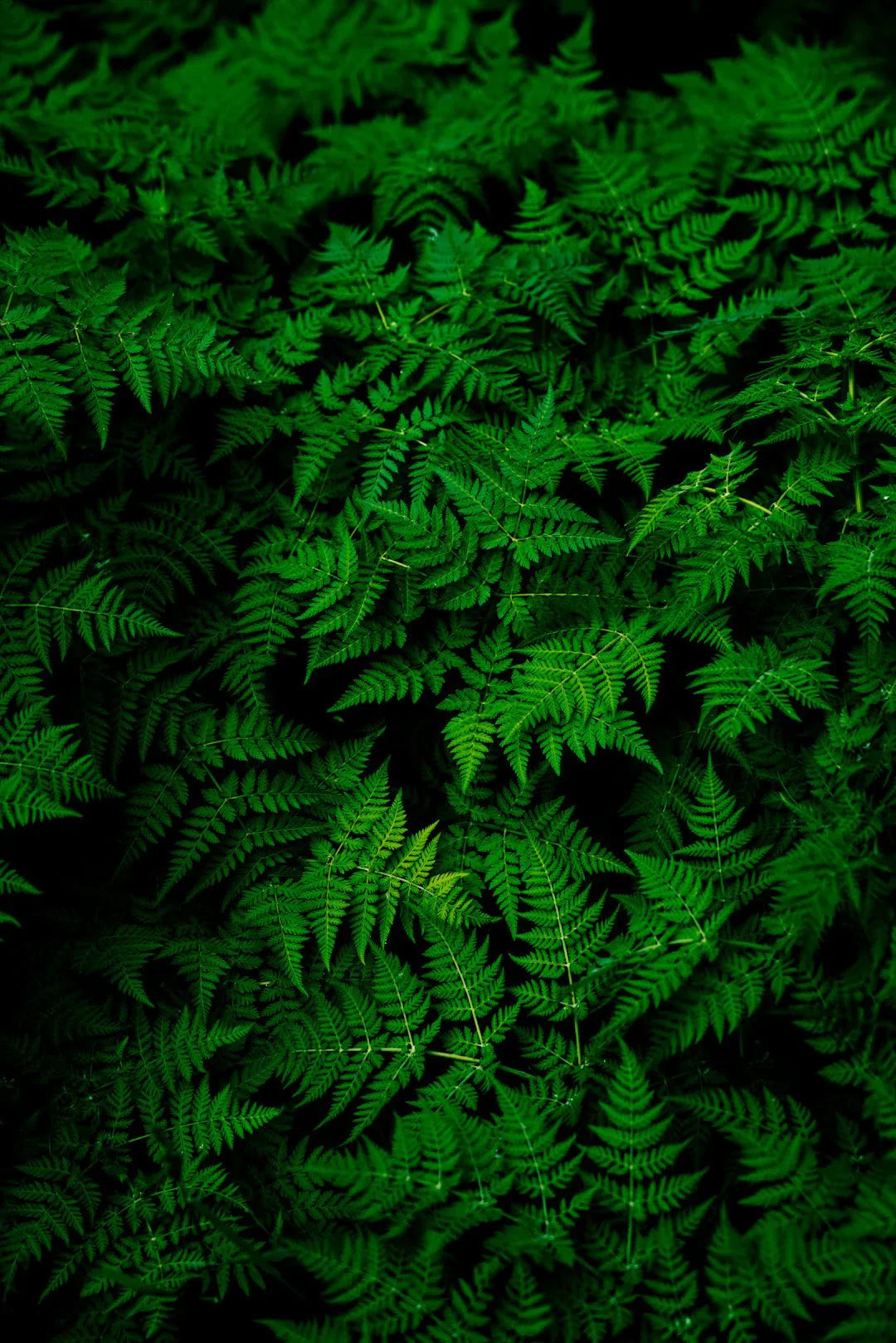
Tips for growing plants in winter in houseplants
As winter approaches, many of us face new challenges when it comes to growing plants indoors. Houseplants require special attention during the cold season, and can sometimes encounter difficulties such as insufficient heat, low humidity, or insufficient light. In this article, we’ll go over some important tips that will help you keep your plants healthy and happy during the winter.
Choosing suitable plants for winter
The first step to successfully growing plants indoors in the winter is choosing the right plants. There are different types of plants that do better in cold weather. For example:
- Succulents: These plants are suitable for a variety of conditions and can thrive even in winter.
- Crop-resistant plants: Like ficus and citrus, they are easy to grow even in low temperatures.
- Plants with dark green leaves: such as clematis and dracaena, which manage to grow in structures with lower light.
Heating conditions and bright places
In winter, the temperature in your home can drop significantly, especially at night. It's important to make sure your plants are in a warm, cozy place. Here are some tips to improve conditions:
Strategic location
Choose a location with natural light, such as near a bright window, but not in direct sunlight, as direct sunlight can dry out the leaves. Plants should be at least a foot away from the window to avoid sunburn.
Additional heating
If you have plants that are very sensitive to cold, you may want to consider investing in additional heating, such as a special plant heat lamp. This can help you achieve your winter goals and keep your plants in a quality environment.
Water treatment
One of the biggest challenges to growing plants indoors in the winter is water management. Winter typically brings a decrease in the amount of water your plants need, so it's important to monitor their needs:
Method for heating water
Some people prefer to slightly warm the water before watering, which prevents hot distillates in the cold winter. Water the plants when the top layer of soil has dried out, but try to avoid overwatering.
Proper drainage
Make sure the soil they are growing in is well-drained. Plants exposed to standing water can develop root rot, jeopardizing their health.
Humidity and indoor climate
Humidity in your home can drop very low during the winter, which can affect many plants. You need to make sure to provide them with adequate humidity levels.
Using humidifiers
To increase humidity levels, you can consider importing humidifiers into your home. This can improve the indoor climate and provide plants with adequate humidity.
From the medically humidified basin
It's a good idea to try placing a container of water near the plants so that the vapors emitted will improve the humidity levels in the environment. It also adds a design element to the home.
Temperature stability and alternative regime
As temperatures drop, it's important to manage your indoor temperature properly. Extreme temperature changes can be harmful to plants.
Preventing resistance
Avoid placing plants near doors or windows that interfere with temperature stability. Exposure to harmful air can harm your plants.
Time for cleaning and grooming
During the winter, many people tend to neglect their plant care. However, this is the perfect time to pay more attention to your houseplants.
Cleaning the leaves
Dirty leaves can prevent a lot of light from reaching the roots, so it's a good idea to clean the leaves with a damp cloth.
Pest inspection
Winter is a very favorable time for pests to settle in your home, so it is important to regularly check your plants for potential problems.
Growing plants for personal use
There are many benefits to growing plants indoors in the winter, and if you are wondering which plants to grow, also pay attention to plants that provide benefits. It is advisable to consider growing herbs.
Recommended spices
- Parsley: Easy to grow and of great value in the kitchen.
- Basil: Suitable for all food, with an excellent aroma.
- Thyme: Easy to grow and doesn't require much light.
Growing edible plants
Many houseplants can be used for various purposes in your kitchen, such as olive oil obtained from their roots. This is another way to enrich your knowledge in the cooking environment.
Tips for upgrading the transition between seasons
As summer draws to a close, weather changes can be challenging. How can you help your plants weather the change with minimal damage?
Preliminary preparation
When the period between seasons arrives, prepare your plants and decide in detail which method to upgrade them: changing the soil or bags to facilitate their adaptation.
Work plan for the upcoming season
Create a maintenance plan throughout the winter so you know exactly when to check on each plant and invest time in maintenance. This can improve your overall sense of success.
Plants for the home - the creative way to a better life
In conclusion, growing plants in winter doesn't have to be difficult. With the right tips, you can enjoy healthy plants at all times. In the cold season, when you take time to care for your plants, you also upgrade your quality of life. Don't hesitate to explore new plants and discover different worlds of care and care. Remember, houseplants can make your stay at home more pleasant and create a pleasant and inviting atmosphere. So take these recommendations to heart and start experiencing the magic of nature even in the cold season!