🌿 Carissa (Natal Plum) | The Complete Growing and Care Guide
 המוצר מהמדריך זמין באתר
Karissa, pot diameter 24 cm (10 liters) (perennial for the garden)
72.00 ₪
📋 Quick Summary - Everything you need to know at a glance
Full sun to partial shade
4-8 hours of direct light per day
Moderate, drought-tolerant
More frequent in summer, reduced in winter
Easy
A hardy and forgiving shrub
Thorny evergreen shrub
Blooms almost all year round
Approx. 1.5-2m in home gardens
Up to 5m or more in ideal conditions
🌱 Introduction to the plant
Names and Identification
- Hebrew name: Carissa (Natal Plum)
- Scientific name: Carissa macrocarpa (common synonym: Carissa grandiflora)
- English: Natal Plum
- Family: Apocynaceae
- Type: Evergreen, thorny, multi-stemmed, dense shrub
Origin and Background
The plant originates from the coastal regions of South-East Africa - from Kenya to South Africa - where it grows naturally in sands and poor soils. It has also naturalized in Florida, Texas, and parts of Asia as a popular ornamental and hedging plant. Its coastal origin is the reason it is so resistant to heat, strong sun, and salinity - conditions that closely resemble the Israeli summer and the coastal regions of the country.
Unique Characteristics
- 💪 Drought and salt tolerant - one of the toughest shrubs for coastal and Israeli landscaping
- 🌸 Fragrant blooming almost year-round - star-shaped white flowers with a sweet jasmine scent
- 🍇 Edible red-purple fruit when ripe - tastes reminiscent of raspberries and cranberries
- 🛡️ Sharp, forked thorns - make it an excellent natural defense hedge and border
- 🌿 Glossy green leaves - resilient all year round, without seasonal shedding
⚠️ Please note - do not confuse with a plum tree
The Hebrew name "Carissa" ("Natal Plum") causes common confusion with the regular plum tree (Prunus domestica), which is an entirely different deciduous fruit tree. Carissa is an evergreen ornamental shrub from the Apocynaceae family, with completely different care, pruning, and watering requirements than fruit trees from the Rosaceae family. If you were looking for information on cultivating plum trees for food, this is not the right guide.
✨ Why choose Carissa
🌿 Varieties and types
Carissa is sold mainly as the basic species (Carissa macrocarpa) - a dense, thorny shrub. Worldwide, there are also selected varieties developed for ornamental gardening, including:
Tall, thorny, prolific shrub, excellent for defense hedges
More compact varieties, suitable for borders and design
At Garden we offer the basic species in a 24 cm pot (10 liters) - see the products section below.
🌤️ Detailed growing conditions
☀️ Light
- Full sun to partial shade - at least 4-8 hours of direct light a day
- The more sun it gets - the richer the blooming and fruiting
- In full shade, the plant will survive but will bloom less and be sparser
💧 Watering
Regular watering, every 2-3 days in soil (more frequently in pots), and let the top layer dry out slightly between waterings
Significantly reduced - the plant is drought-tolerant and usually the winter rains in Israel are sufficient
How to know when to water: Check the top 2-3 cm of the soil/substrate - if dry to the touch, you can water. Excess water and poor drainage are the main causes of root problems in this plant.
🌡️ Temperature
Carissa loves heat - the ideal range is about 18-38°C, and below 10°C the plant begins to suffer. Mild cold manifests as reddening/purpling of the leaves (reversible cold damage that turns back to green as the heat rises), but real frost can cause more severe damage.
⚠️ Frost warning: In mountainous and cold valley regions in Israel (Jerusalem, Upper Galilee, Golan Heights) one should consider protection on especially cold nights, a sheltered location next to a wall, or growing in a pot that can be moved indoors. In the central region, the coast, and the warm plains, there is usually no problem.
🌍 Soil
- Well-drained soil - this is the most critical factor for success with this plant
- Preferably sandy to light soil, rich in organic matter (compost)
- Tolerates a relatively wide pH range - about 6.2 to 7.8 (slightly acidic to neutral)
- In a pot: It is recommended to add perlite or tuff to improve drainage
🌾 Fertilization
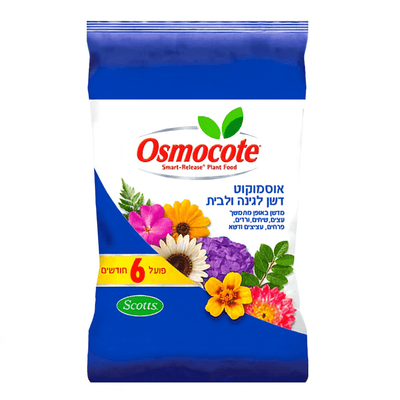
Balanced general fertilizer (NPK) once every month or two, or compost/organic fertilizer. The plant responds well to fertilization during blooming and fruiting.
Reduce or stop fertilization entirely - the plant is in a slower growth phase.
Carissa grown directly in the ground usually survives even without regular fertilization, and fertilization mainly accelerates growth and blooming.
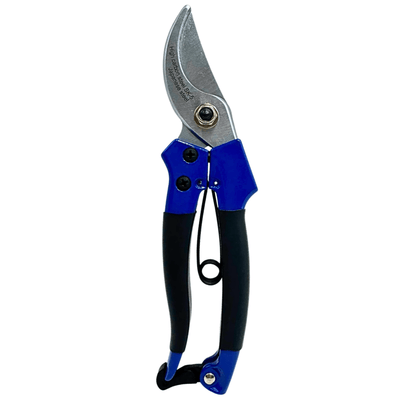
✂️ Pruning and Maintenance
🌱 Propagation
Carissa can be propagated in three main ways - cutting, seeds, and layering (bending a branch to the ground):
Cutting (the most common way)
- Choose a woody branch (not soft and green) and make a half-deep cut into the stem
- Leave the branch on the plant for about two months until a healing "callus" forms in the cut area
- Cut the branch and plant it in a damp, sandy substrate
- Rooting occurs within about a month under warm and humid conditions
Seeds
Sprouts within 2-4 weeks under warm conditions; seedlings grown from seeds reach blooming and fruiting within about two years.
🔧 Common problems and solutions
🍂 Yellow leaves and shedding
Cause: Overwatering and poor drainage, causing root rot.
Solution: Reduce watering, check drainage, and improve it if necessary (perlite/tuff).
🥶 Reddish-purple leaves
Cause: Cold damage/temperature below 10°C.
Solution: Move to a sheltered place or cover on cold nights - the color returns to green as the heat rises.
🌸 Not blooming or not fruiting
Cause: Lack of sufficient direct light (less than 4 hours a day).
Solution: Move to a sunnier place.
🍄 Black mold (sooty mold) on the leaves
Cause: Sticky secretions from sucking pests (mainly scale insects).
Solution: Treat the source pest and wipe the leaves.
🐛 Pests
Carissa is considered relatively resistant to pests and diseases, but the most common pest reported is Scale insects - appearing as small, sticky spots on the stems and leaves. Severe damage is rare, especially when drainage is good and the plant is healthy.
❓ Frequently Asked Questions
Yes - only the ripe fruit (deep red-purple, soft to the touch) is edible and tasty, with a flavor reminiscent of raspberries and cranberries.
Relatively little - it is a drought-tolerant plant. In summer, regular watering is recommended every 2-3 days (depending on conditions), and in winter it is reduced significantly, with rain usually being sufficient. The golden rule: let the top layer of the soil dry out slightly between waterings to prevent root rot.
The most common reason is overwatering and poor drainage, which cause stress on the roots. Reduce watering and check that the substrate/soil drains well.
It loves heat and is sensitive to cold - below 10°C, damage begins (leaf reddening), and actual frost can cause more severe harm. In coastal, central, and lowland regions there usually won't be a problem; in mountainous and cold valley regions (Jerusalem, Upper Galilee, Golan) a sheltered location or protection on the coldest nights is recommended.
Yes, this is one of the most common uses for the plant - its density together with the sharp thorns makes it an effective and impressive defense hedge, living fence, and area boundary.
📊 Summary Table
| Category | Details |
|---|---|
| ☀️ Light | Full sun to partial shade, 4-8 hours direct light |
| 💧 Watering | Moderate - more frequent in summer, reduced in winter, drought-tolerant |
| 🌡️ Temperature | Ideal 18-38°C; sensitive below 10°C |
| 💦 Humidity | Not critical for outdoor growing in Israel; originates from coastal regions |
| 🌍 Soil | Well-drained, sandy-light, pH about 6.2-7.8 |
| 🌾 Fertilization | Balanced in spring-summer; stop in autumn-winter |
| 📏 Size | Approx. 1.5–2 m in the garden, up to 5 m or more under ideal conditions |
| 📊 Difficulty Level | Easy - a hardy and forgiving shrub |
| ✨ Special Features | Sharp thorns for a defensive hedge, fragrant blooms almost all year round, edible fruit when ripe |
🛒 Shop at Deco Garden
🌿 Deco Garden - A Love for Plants
Carissa is a winning choice for the Israeli garden - durable, flowering almost all year round, providing edible fruit, and above all: it is almost impossible to kill. You are welcome to join the Deco Garden family and grow it at home.
© 2026 Deco Garden - All rights reserved
This guide was written by the Deco Garden expert team
🛒 המוצרים מהמדריך
הצמחים והמוצרים שהמדריך מדבר עליהם — לחיצה על כרטיס מעבירה לעמוד המוצר.