🌶️ Hot Pepper | The Complete Guide to Growing and Care
 המוצר מהמדריך זמין באתר
Potting mix, planting soil, fertilizer-enriched
22.50 ₪
📋 Quick Summary - Everything you need to know at a glance
Full sun
6-8 hours of direct sun per day
Regular and consistent
Do not let the pot dry out during flowering and ripening
Easy-Moderate
Requires consistency in watering and fertilizing
Fruit vegetable
Short-lived perennial, grown as an annual
Approx. 40-80 cm in a pot
Depends on the variety and pot size
🌱 Getting to know the plant
Names and Identification
- Hebrew name: Hot pepper / Edible hot pepper
- Scientific name: Capsicum annuum
- English: Hot pepper / Chili pepper
- Family: Solanaceae - same family as tomato, eggplant, and potato
- Type: Fruit vegetable, technically a short-lived perennial but in Israel usually grown as an annual
Origin and Background
The pepper was domesticated in Central and South America about 6,000 years ago, and from there it spread throughout the world. The active compound in the fruit, capsaicin, binds to pain receptors on the tongue and oral cavity to create the sensation of "heat"—this is actually the plant's natural defense mechanism against fruit-eating mammals (birds, by contrast, are immune to capsaicin and therefore disperse the seeds).
Unique Characteristics
- 🌶️ Fruit changes color: Starts green and ripens to red, orange, or yellow depending on the variety
- 🐦 Bird-friendly: Birds are immune to capsaicin and eat the fruit without harm
- 🌼 Flowers and fruits simultaneously: A healthy plant develops flowers and fruits at all stages of ripening together
- 🪴 Excellent for container gardening: Suitable for both a sunny balcony and a garden
- 🍽️ Ornamental and culinary: A colorful ornamental plant that also provides an edible harvest
⚠️ Please note - do not confuse with "Ornamental Pepper" (Jerusalem Cherry)
In nurseries and plant shops, a plant is sometimes sold as an "ornamental pepper" with small, colorful round fruits that look similar to a miniature hot pepper. This is usually actually Solanum pseudocapsicum (also known as the Jerusalem Cherry) - a plant from a completely different genus and family (Solanum, not Capsicum). Still, it is worth verifying which of the two plants you are exactly buying when purchasing an "ornamental pepper."
💚 Why choose hot pepper
Fresh peppers from your own plant, at any heat level
Loves heat and sun - excellent for the Israeli summer
Green, orange, and red fruits on the same plant
Does not require garden space - a 10-liter pot or larger is sufficient
Attracts songbirds to the garden
The more you pick, the more the plant continues to flower and fruit
🌈 Varieties and types in the world of hot peppers
The botanical species Capsicum annuum includes a huge variety of cultivars at different heat levels. At Garden, you will find the classic edible hot pepper seedling in a 15 cm pot - and for general knowledge, these are some of the common varieties in the home growing world:
Moderate heat, very popular
Hot, long and thin fruit
Hotter than Jalapeño, small fruit
Very hot, aromatic
All varieties share the same basic growing principles - full sun, consistent watering, and potash-rich fertilizer during flowering and pollination.
🌤️ Detailed growing conditions
☀️ Light
- Full sun - at least 6-8 hours of direct sun per day for good fruit ripening
- Ideal location: Balcony or garden facing south, next to a wall exposed to the sun
- In the scorching Israeli summer, light shading during the extreme noon hours can prevent sunburn on the leaves
💧 Watering
A regular water supply is essential - the soil should remain consistently moist. It is especially important not to let the plant dry out during flowering and ripening: dryness at this stage causes flower drop and less fruit.
Frequent watering, in pots sometimes daily on extreme heat days
Significantly reduced - most plants in Israel finish their life cycle as annuals before winter
How to know when to water: Check the top 5 cm of soil with your finger - when they are dry, it is time to water.
🌡️ Temperature
Hot pepper is a warm-season plant that is sensitive to cold. In Israel, it is planted outdoors only after the risk of frost has passed, when nighttime temperatures are stable above approximately 15°C - usually between March and May. The plant is sensitive to frost and can be severely damaged or die in cold temperatures - be especially careful in mountainous and valley regions in Israel that suffer from winter frost.
🌍 Soil
- Rich, well-draining soil - mixed with compost or organic matter
- In a pot: High-quality growing medium with good drainage, in a pot with a volume of at least 10 liters
- The plant tolerates a wide range of pH levels (slightly acidic to slightly alkaline)
🌿 Fertilizing
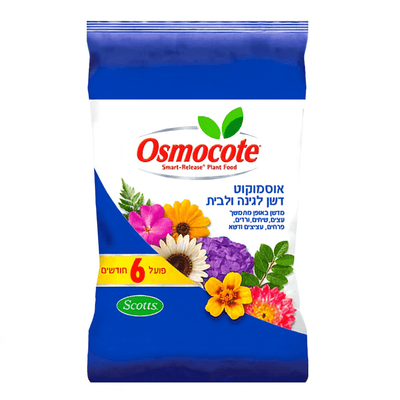
At the beginning of growth - balanced fertilizer. Once the plant starts to flower, switch to a liquid fertilizer rich in potassium ("flowering/ripening fertilizer"), once a week - this encourages fruit creation and not just foliage.
Stop fertilizing - the plant finishes its active growing season and most varieties in Israel are grown as annuals.
Important: Excess nitrogen produces plenty of foliage but harms the quantity of flowering and fruit - therefore potassium is the key in the ripening stage.
✂️ Harvesting and maintenance
- 🌶️ Harvest regularly - frequent picking of the fruit (even when still green) encourages the plant to continue flowering and producing more fruit, increasing total yield
- ⏳ Waiting for full ripening - leaving fruit to ripen on the plant (until red/orange) gives a richer flavor but reduces the total number of fruits
- 🍃 Removing damaged leaves - remove yellow or damaged leaves to maintain a healthy plant and prevent diseases
🌱 Propagation
The common and easy way to propagate hot pepper is from seeds:
- Extract seeds from a fully ripe fruit (red/orange) and let them dry for a few days
- Sow in moist seed-starting soil, at a depth of about 0.5 cm
- Keep in a warm and humid environment - germination takes about 5 to 20 days in warm conditions
- Once the seedlings have developed a few true leaves, transplant to a larger pot or to the garden
- Plant outside only after the risk of frost has passed and night temperatures are stable
🔧 Common problems and solutions
🍂 Yellowing leaves
Reason: Over-watering, poor drainage, or nutritional deficiency.
Solution: Check drainage, reduce watering, and add balanced fertilizer.
🌸 Flower drop
Reason: Dryness, extreme temperatures (heat or cold), or inconsistent watering.
Solution: Maintain consistent watering and avoid exposure to temperature extremes.
🌿 Plenty of foliage, little fruit
Reason: Excess nitrogen in fertilizer.
Solution: Switch to potash-rich fertilizer instead of nitrogen-rich fertilizer.
⚫ Blossom-end rot
Reason: Calcium deficiency, usually caused by inconsistent watering.
Solution: Maintain consistent and uniform watering - this is the root problem in most cases.
🐛 Common pests
Small sap-sucking insects, gather on buds and young leaves
Tiny white insects on the undersides of leaves, suck sap and weaken the plant
Common in hot and dry conditions, cause yellow spots and fine webs
Common in Israel, damage flowers and young fruit
Check the plant regularly, wash with strong water, or use neem oil for early organic treatment before the pests spread.
🌶️ Culinary use
Culinary: The fruit is used fresh, dried, pickled, or cooked - from spicy dishes to delicate seasoning, depending on the variety. The plant also serves as a colorful ornamental plant thanks to the gradual ripening of the fruit from green to yellow/orange/red.
❓ Frequently asked questions
Check the top 5 cm of the soil - when they are dry, water. In the hot Israeli summer, pots may need almost daily watering. It is important not to let the plant dry out during flowering and ripening as it causes flower drop.
Usually, this is due to excess nitrogen in fertilizer (abundant foliage at the expense of fruit), extreme temperatures that cause flower drop, or inconsistent watering. Switch to potash-rich fertilizer during flowering.
Harvest the fruit regularly - frequent picking encourages the plant to continue flowering and producing more yield. Combine this with weekly potassium fertilization during flowering and consistent watering.
Definitely - this is an excellent crop for a sunny balcony. Requires a pot with a volume of at least 10 liters, a location with 6-8 hours of direct sun, and consistent watering, especially on hot summer days.
After the risk of frost has passed and the nighttime temperature is consistently above about 15°C - usually between March and May, depending on the region.
📊 Summary Table
| Category | Details |
|---|---|
| ☀️ Light | Full sun, 6-8 hours of direct sunlight |
| 💧 Watering | Regular and consistent, do not let dry out during flowering/ripening |
| 🌡️ Temperature | Loves heat, sensitive to frost - plant when nights are above 15°C |
| 🌍 Soil | Rich, well-draining, with compost |
| 🌿 Fertilization | High in potassium during flowering and ripening, weekly |
| 📏 Size | About 40-80 cm in a pot, depending on the variety |
| 📊 Difficulty Level | Easy-Moderate |
| ✨ Special | Regular harvesting encourages more yield; excellent for a sunny balcony in Israel |
🛒 Shop at Deco Garden
🌿 Deco Garden - Love for plants
Do you have questions about growing hot peppers or any other plant? The Deco Garden team is here for you - at the store and on the website.
© 2026 Deco Garden - All rights reserved
The guide was written by the expert team at Deco Garden
🛒 המוצרים מהמדריך
הצמחים והמוצרים שהמדריך מדבר עליהם — לחיצה על כרטיס מעבירה לעמוד המוצר.