💰 Portulacria Money Tree | The Complete Guide to Growing and Care
 המוצר מהמדריך זמין באתר
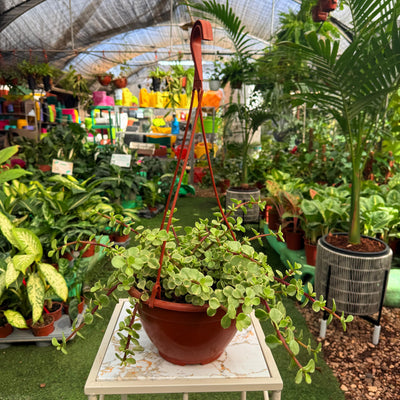
Portulacaria afra (Elephant Bush) – 12 or 20 cm
65.00 ₪
המוצר מהמדריך זמין באתר
Portulacaria afra (Elephant Bush) – 12 or 20 cm
65.00 ₪
📋 Quick Summary - Everything you need to know at a glance
Full to partial sun
At least 3-6 hours
Very sparse
Once every 2-3 weeks
Very Easy!
Almost impossible to kill
Succulent
Fleshy, water-storing
30-60 cm in a pot
Up to 3-5 m in the wild
🌱 Getting to Know the Portulacaria
Names and Identification
- Hebrew name: Portulacaria, Money Tree, Tree of Abundance
- Scientific name: Portulacaria afra
- English names: Elephant Bush, Dwarf Jade, Spekboom
- Family: Portulacaceae / Didiereaceae
- Type: Perennial succulent shrub
Origin and Background
Native to South Africa, where it grows in dry, hot regions. It is called "Elephant Bush" because it makes up 80% of the diet of elephants in its natural habitat!
Unique Characteristics
- 💰 Coin-like leaves: Round and succulent
- 🔴 Reddish stems: A distinct look
- 💪 Highly resilient: Survives extreme drought
- 🌳 Perfect for bonsai: Easy to shape
- 🌍 "Carbon sponge": Effectively sequesters CO2!
Why "Money Tree"?
The round leaves look like small coins, and the thick trunk symbolizes stability = abundance and wealth according to Feng Shui!
⚠️ Note! Two different "Money Trees"
🌿 Portulacaria (This guide!)
Portulacaria afra
- ✅ Succulent from South Africa
- ✅ Small, round leaves
- ✅ Reddish-brown stem
- ✅ Requires full sun
- ✅ Very sparse watering
- ✅ Popular for bonsai in Israel
🌴 Pachira (Another Money Tree)
Pachira aquatica
- Tropical plant from America
- Large, palm-shaped leaves
- Braided trunk (man-made)
- Requires indirect light
- More regular watering
- Popular in the US and Asia
In Israel, when people say "Money Tree" - they usually mean Portulacaria!
✨ Why choose Portulacaria?
Highly Resilient
Survives neglect
Loves Sun
Perfect for the Israeli climate
Sparse Watering
Once every 2-3 weeks
Perfect Bonsai
Easy to shape
Symbol of Abundance
Feng Shui
Eco-friendly
Carbon sequestering
🎨 Popular Varieties and Types
🌿 Standard Portulacaria
Portulacaria afra
- Dark green leaves
- Most common
- Highly heat resistant
- Upright growth
🌈 Variegated Portulacaria
P. afra 'Variegata'
- Cream-green leaves
- Pinkish edges
- Requires more light
- More sensitive
🌊 Trailing Portulacaria
P. afra 'Prostrata'
- Horizontal growth
- Suitable for hanging
- Ground cover
- Long stems
🦣 Mammoth Portulacaria
'Mammoth'
- Leaves twice as large
- Thicker trunk
- Rarer
🔮 Dwarf Portulacaria
'Minima' / 'Lilliput'
- Tiny leaves
- Very compact
- Perfect for bonsai
🌈 Rainbow / Manny
Rainbow
- Wavy leaves
- White stripes
- Unique look
🌤️ Detailed Growing Conditions
☀️ Light - Critical!
Portulacaria needs plenty of sun! It is the most important condition.
- ✅ Ideal: Full sun - 6+ hours per day
- ✅ Minimum: 4-6 hours of direct sun
- 🏠 Indoors: South or West-facing window
- 🌳 Outdoors: Full sun all day - perfect!
- ⚠️ Lack of light: Leaves will fall, the plant will weaken
💧 Watering - Less is More!
Portulacaria is a succulent - the leaves, trunk, and branches store water!
Important principles:
- ✅ Water only when the soil is completely dry
- ✅ Once every 2-3 weeks usually
- ✅ When watering - water thoroughly
- ✅ Allow for good drainage
- ❌ Do not leave in standing water!
- ❌ Excess water = root rot
Once every 1-2 weeks
Once a month or less!
(Maybe not at all)
🌡️ Temperature
Portulacaria loves heat! Very well-suited to the Israeli climate.
18-30°C and up
Up to extreme temperatures
40°C+
Below 5°C
Frost = severe damage!
⚠️ In winter in cold mountains or valleys: Bring indoors or protect from frost!
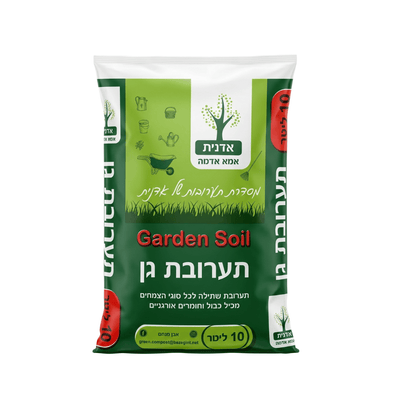
🌍 Soil
- ✅ Excellent drainage - most important!
- ✅ Succulent/cactus mix
- ✅ Can add perlite or coarse sand
- ✅ Loam soil - excellent
- ❌ No heavy soil that retains water
Recommended mix: Cactus soil + perlite (2:1)
🎋 Portulacaria as Bonsai
Portulacaria is one of the best plants for beginner bonsai!
✨ Why is it great for bonsai?
- ✅ Forgiving of mistakes
- ✅ Survives in small pots
- ✅ Trunk thickens beautifully
- ✅ Responds well to pruning
- ✅ Easy to shape with wire
- ✅ Lives for decades!
✂️ Shaping tips
- Prune a pair of leaves = 2 new branches
- Snip young branches to shape
- Can be wrapped in wire for direction
- Frequent pruning = dense foliage
- Repot every 2-3 years
- Best time: Summer (above 25°C)
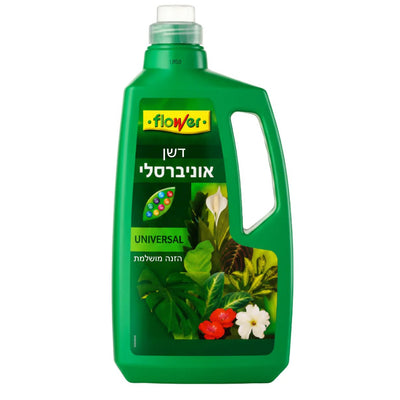
🧪 Fertilization
Portulacaria does not require much fertilization - it is modest in its demands.
Once a month
Growing season
Do not fertilize
Dormancy
Fertilizer type:
- ✅ Succulent/cactus fertilizer
- ✅ Dilute to half the recommended concentration
- ✅ Or balanced diluted fertilizer
✂️ Pruning
Portulacaria responds wonderfully to pruning! Regular pruning keeps it in a beautiful shape.
- ✅ Prune in any season (spring is best)
- ✅ Pinch off branches to encourage branching
- ✅ Remove dry or weak branches
- ✅ Shape it according to your preference
- ✅ Save the cuttings for propagation!
🌱 Propagation - Very Easy!
Portulacaria is one of the easiest succulents to propagate!
✂️ Propagation from cuttings (recommended method)
- Pick a healthy branch (5-10 cm)
- Leave it to dry for 1-2 days (to form a "callus")
- Plant in dry or slightly moist soil
- Wait a week or two before the first watering
- Keep in diffused light (no strong direct sunlight)
- Rooting: 4-6 weeks
Success rate: Very high - it's almost impossible to fail!
🔧 Common problems and solutions
🍂 Leaf drop
Most common reason:
- Lack of light! (Most common)
- Overwatering
- Extreme cold
Solution: Move to full sun - the leaves will rejuvenate within weeks!
🦠 Soft/rotting stem
Reason:
- Overwatering / root rot
Solution: Stop watering. Cut off rotten parts. Replant in dry soil. Take healthy cuttings as a backup!
🥀 Wrinkled leaves
Reason:
- Underwatering
Solution: This is actually good! It's the sign to water. Water and the leaves will plump up within a day or two.
📏 Leggy/thin plant
Reason:
- Lack of light
Solution: Move to full sun. Prune to encourage dense growth.
🐛 Pests (Rare!)
Portulacaria is very resistant to pests, but sometimes:
White cottony spots.
Solution: Alcohol/potassium soap
Secretes a sticky substance.
Solution: Wipe with alcohol
☯️ Feng Shui and Uses
💰 Symbolism
- Round leaves = money coins
- Thick trunk = financial stability
- Many leaves = abundance and wealth
- Popular housewarming/business gift
🌿 Uses
- Indoor bonsai
- Potted plant for home/office
- Rock gardens
- Ground cover (trailing variety)
- Hanging planter
- Gift with meaning
❓ Frequently Asked Questions
In 90% of cases, the reason is lack of light! Move it to full sun and the leaves will rejuvenate. Other reasons: overwatering or cold.
Once every 2-3 weeks in summer, once a month or less in winter. The rule: water only when the soil is completely dry. Better too little than too much!
Yes, but only next to a window with direct sunlight! A south- or west-facing window. If there isn't enough light - the leaves will fall off and the plant will weaken.
They look similar but are different! Portulacaria: smaller leaves, reddish stems, requires more sun. Crassula: thicker leaves, green/brown stems, tolerates less light.
Dozens of years! With proper basic care, it can be with you for a very long time.
📊 Summary Table
| Category | Details |
|---|---|
| ☀️ Light | Full sun (4-6+ hours) |
| 💧 Watering | Sparse - once every 2-3 weeks |
| 🌡️ Temperature | Warm (sensitive to frost) |
| 🌍 Soil | Well-draining, for succulents |
| 📏 Size | 30-60 cm in a pot |
| 📊 Difficulty | Very easy! |
| ✨ Special | Bonsai, symbol of abundance |
🌿 Deco Garden - A Love for Plants
Do you have questions about Portulacaria? Looking for a Money Tree for bonsai? We are here for you!
📧 Contact Us | 📱 Follow us on social media | 🌱 Buy plants and products
© 2025 Deco Garden - All rights reserved
The guide was written by the Deco Garden expert team
🛒 המוצרים מהמדריך
הצמחים והמוצרים שהמדריך מדבר עליהם — לחיצה על כרטיס מעבירה לעמוד המוצר.