🌿 Chives (Green Onion) | The Complete Guide to Growing and Care
 המוצר מהמדריך זמין באתר
Fertilizer for spice and medicinal plants
50.00 ₪
📋 Quick Summary - Everything you need to know at a glance
Full sun to partial shade
In the hot Israeli summer, partial shade is preferred during midday
Regular, moist but well-drained soil
Do not let dry out completely, do not overwater
Easy, suitable for beginners
Almost free of pests and diseases
Perennial herb
Amaryllidaceae family, relative of onions and garlic
Approx. 25-30 cm tall
Clump thickens and expands over the years
🌱 Introduction to the plant
Names and Identification
- Hebrew name: Irit (Chives)
- Scientific name: Allium schoenoprasum
- English: Chives
- Common name: Green onion (colloquial)
- Family: Amaryllidaceae
- Genus: Allium - a relative of onions, garlic, and leeks
Origin and Background
Chives are a perennial, slightly succulent herb native to temperate regions of Asia (mainly China) and have spread over time to be grown extensively in Europe and North America. They are among the few Allium species that are grown as both an ornamental and an edible herb: their dense clumps, thin leaves, and pink-purple flowers have made them a favorite both in herb beds and as decorative edging in the garden.
Unique Characteristics
- 🍃 Thin, hollow leaves, dark green, with a milder onion flavor than garlic or regular onions
- 🌸 Edible pink-purple flowers, in the shape of a spherical "pompom," appearing in spring-summer
- 🌿 Grows in a dense clump that thickens and expands year after year
- ✂️ "Cut and come again" - harvest leaves and the plant continues to regrow over and over
- 🐝 Attracts bees and butterflies when in bloom
- 🪴 Grows excellently in a pot on a partially sunny windowsill
⚠️ Don't get confused! Two completely different "Irit" names
The plant in this guide is Chives (Allium schoenoprasum) - an edible kitchen herb from the Amaryllidaceae family. Additionally, beware of confusion with Chinese chives / Garlic chives (Allium tuberosum) - a similar-looking species but with a distinct garlic flavor, common in Asian cuisine.
💚 Why choose chives
🌤️ Detailed Growing Conditions
☀️ Light
- Chives love full sun to partial shade - best with a few good hours of direct sun per day
- Can also grow in less light, but will flower and thicken less
- In Israel, during the hot "khamsin" (heatwave) season - partial shade at midday (e.g., light shade cloth) helps prevent dry, wilting leaves
- Excellent even on a bright windowsill indoors
💧 Watering
Chives love consistently moist but well-drained soil - they are not succulents and suffer from repeated drying out, but are also sensitive to flooding and root rot in soil that is too wet.
Regular and more frequent watering - soil shouldn't dry out completely; in a pot, water more frequently than in the ground
Reduce frequency - the perennial plant enters a dormancy period and partially fades; winter rains in Israel are usually sufficient
How do you know when to water? Check the soil surface with your finger - when it starts to dry out in the top centimeter, it's time to water. Avoid constantly soggy soil.
🌡️ Temperature
Chives are a perennial plant that is very cold-hardy and frost-tolerant - in winter, they may fade and look "tired" and regrow in the next season. In Israel, even in mountainous and colder valley areas in winter, frost is not a real danger for chives. The issue here is mainly extreme summer heat and heatwaves - it's better to provide partial shade, more regular watering, and a well-ventilated location.
🌍 Soil
- Soil rich in organic matter, well-drained - no standing water
- Recommended pH range: around 6-7 (almost neutral, slightly acidic)
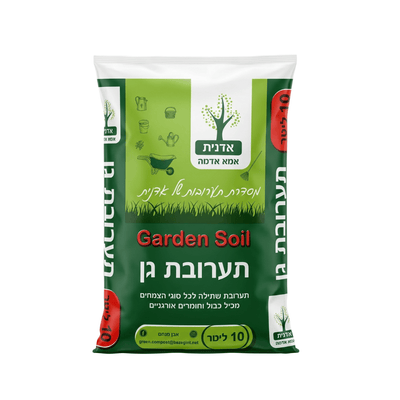
- In a pot - quality potting mix with compost + gravel/perlite for good drainage
🌾 Fertilizing
Balanced general fertilizer or compost, about once a month, to support frequent leaf growth following harvesting
Stop or greatly reduce fertilization - the plant partially fades and does not need extra food
Chives are relatively "light feeders" - excessive fertilization (especially nitrogen) can actually harm the flavor of the leaves. Better to use a little consistently than a lot at once.
✂️ Ongoing Maintenance
🌱 Proper Propagation and Harvesting
How to harvest without damaging the plant
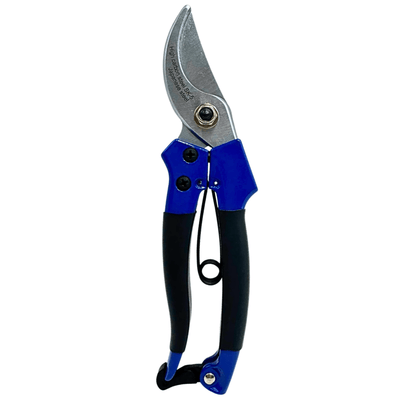
Prune with sharp scissors about 2-3 cm above ground level - not right against the soil. Keep the base of the growth intact, and it will continue to send out new leaves in a short time. It is better to harvest outer leaves first and let the inner leaves continue to grow.
Propagation by division (the easy and recommended way)
- Choose a mature and dense clump, recommended in spring or autumn
- Carefully dig up the entire clump from the soil or pot
- Gently break apart by hand or with a knife into several small clusters, each with roots and bulbs
- Plant each cluster separately in rich, well-drained soil, with about 15 cm spacing between plants
- Water well immediately after planting
Propagation from seeds
You can also sow seeds (about 0.5-1 cm deep) in the spring, outdoors or indoors before planting. Growth from seeds is slower than from division, and it takes time until you reach a full harvesting clump.
🔧 Common Problems and Solutions
🍂 Yellow leaves and soft base
Reason: Overwatering and soil that is too wet, which can lead to root rot.
Solution: Reduce watering and ensure good drainage in the pot/bed.
🟠 Orange-rust spots on leaves
Reason: Fungal disease called "leek rust," which develops in high-humidity conditions on leaves.
Solution: Remove affected leaves, avoid watering on the foliage, and ensure good ventilation around the plant.
🌱 Sparse growth after a few years
Reason: The clump has become too dense and crowded, and the center is "dying out."
Solution: Divide the clump (see propagation section) - this renews the plant's vigor.
🌿 "Wild" seedlings around the mother plant
Reason: Spent flowers that weren't removed dropped seeds, and chives propagate easily.
Solution: If you don't want self-propagation - prune the flowers before they dry and drop seeds.
🐛 Pests
Chives are known as a plant that is almost immune to pests and diseases in most cases. The most common pest is the aphid - small green/black insects that gather on soft shoots and leaf tips. Usually, you can wash them off with a strong stream of water or treat with insecticidal soap.
❓ Frequently Asked Questions
There is no fixed number - check the soil surface. When it starts to dry out in the top centimeter, water again. In the hot, dry Israeli summer, you will need to water more frequently than in winter, and more in a pot than in a garden bed.
Prune with sharp scissors 2-3 cm above ground level, not right against the soil. The plant will continue to send out new leaves, and can be harvested again and again.
Yes! The pink-purple flowers are edible for humans, have a mild onion flavor, and are excellent as a beautiful and tasty addition to salads and dishes.
The most common reason is overwatering and soil that is too wet, which causes root rot. Ensure good drainage and reduce watering.
Usually every 2-3 years, when the clump becomes too dense and growth weakens. Division renews vigor and also allows propagating the plant to other areas in the garden.
📊 Summary Table
| Category | Details |
|---|---|
| ☀️ Light | Full sun to partial shade |
| 💧 Watering | Regular, moist but well-drained soil - no flooding |
| 🌡️ Temperature | Highly resistant to cold and frost; sensitive to extreme heat and heatwaves |
| 🌍 Soil | Rich in organic matter, well-drained, pH ~6-7 |
| 🌾 Fertilizing | Balanced, once a month in spring-summer; stop in winter |
| 📏 Size | Approx. 25-30 cm, clump expands over the years |
| 📊 Difficulty | Easy, suitable for beginners |
| ✨ Special | Leaves and flowers are edible for humans - cut and come again repeatedly |
🛒 Shop at Check Garden
🌿 Deco Garden - A love for plants
At Deco Garden, we love helping you grow in your home and garden with confidence - from your first herb to your favorite plant. Do you have a question about chives or any other plant? We are here for you.
© 2026 Deco Garden - All rights reserved
This guide was written by the Deco Garden expert team
🛒 המוצרים מהמדריך
הצמחים והמוצרים שהמדריך מדבר עליהם — לחיצה על כרטיס מעבירה לעמוד המוצר.