🌸 Stromanthe Triostar | The Complete Guide to Growth and Care
 המוצר מהמדריך זמין באתר
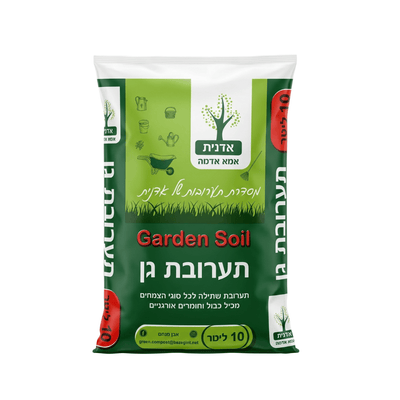
Migdal from the Northern Border 10 liter planting mix
14.00 ₪
📋 Quick Summary - Everything you need to know at a glance
Bright indirect light
No direct sun - it burns and fades the colors
Consistent, soil moist at all times
When the top centimeter starts to dry
Medium-High
Requires some experience and attention
Tropical foliage plant
From the Marantaceae family
Approx. 60-90 cm height
Width approx. 45-60 cm in a pot
🌱 Getting to know the plant
Names and Identification
- Hebrew name: Stromanthe Triostar
- Scientific name: Stromanthe thalia (previously classified as Stromanthe sanguinea, which remains a common synonym)
- English: Stromanthe Triostar, Tricolor Prayer Plant
- Family: Marantaceae - the "Prayer Plant" family
- Type: Perennial, herbaceous foliage plant with a rhizome
Origin and Background
The Stromanthe originates from the tropical rainforests of Brazil, where it grows in partial shade, high humidity, and stable temperatures under the forest canopy. These are exactly the conditions it seeks in a home environment—which is why it is considered one of the more demanding houseplants.
Unique Characteristics
- 🎨 Spectacular tricolor foliage: Green leaves with white-cream and pink stripes on the top, and a deep burgundy-purple leaf back
- 🌙 Nyctinasty (leaf movement): In the evening, the leaves close and lift like a prayer, and in the morning, with the first light, they open again
- 🌿 Calathea relative: Same family (Marantaceae), similar appearance, and roughly the same care rules
⚠️ Common Confusion: "Calathea Triostar" or Stromanthe?
In many nurseries in Israel (and globally), this plant is mistakenly sold under the name "Calathea Triostar". It is not actually a Calathea—it is a Stromanthe. The confusion arises because both genera belong to the same family (Marantaceae), look very similar, and require almost identical care, so trade names are not always accurate.
Additionally, there is real taxonomic confusion: the historical scientific name was Stromanthe sanguinea, but today the scientifically accepted name is Stromanthe thalia (according to the Missouri Botanical Garden). Both names are still widely used in nurseries.
Want to compare it to a real Calathea? We have a full guide: Calathea - The Full Guide →
💚 Why choose a Stromanthe?
A green-white-pink-burgundy combination that has no rivals
The leaves "move" by themselves in the morning and evening
Like most tropical foliage plants
Does not need direct sun - suitable for interior rooms
One of the most impressive plants at first sight
🌤️ Detailed Growth Conditions
☀️ Light
- Bright to medium indirect light - window with a sheer curtain, or a bright room without direct sun on the leaves
- Direct sun (especially noon sun) burns the leaves and fades the pink and white shades
- Light that is too dim causes slow growth and a decrease in color intensity - the vibrancy depends on good light
- Recommended orientation in an Israeli home: north-facing window, or east/west with shading during the hottest hours
💧 Watering and Water Quality
Water when the top centimeter of the soil begins to dry—the soil should remain consistently moist, but not soggy. A pot with good drainage is a must.
More frequent watering, check soil every two days
Intervals between watering, ensure no standing moisture remains
The Marantaceae family (including Stromanthe, Calathea, and Maranta) is highly sensitive to fluoride and salts in tap water. In Israel, the water is very hard—and this is the number one reason for brown, dry leaf tips. It is recommended to water with tap water that has sat for a few hours in an open vessel, filtered water, distilled water, or rainwater.
🌡️ Temperature
Comfort range: about 18-29°C; standard room temperature in Israel is suitable for most of the year. The plant does not tolerate cold—prolonged cold below -1°C (30°F) can cause it severe damage.
⚠️ Winter and Frost warning: In mountainous and valley areas in Israel (like Jerusalem, the Upper Galilee) where there is frost on winter nights—the plant must be indoors, far from cold windows and direct air conditioning.
💦 Humidity
High humidity is perhaps the biggest challenge in growing a Stromanthe. Israeli nurseries recommend at least 45%, but for maximum beauty of the foliage and to prevent brown tips, aim for 60% or more—especially during dry summer months and during heatwaves.
- Good location: kitchen, bathroom, or near a humidifier
- Keep away from direct air conditioning and fans - dry, moving air dries the leaves quickly
- A light misting of the leaves a few times a week helps, but does not replace actual environmental humidity
🌍 Soil
- Peat-based mixture with perlite or coco coir for good drainage
- The soil should hold moisture but not stay soggy for long
- A pot with a drainage hole is a must - standing water at the bottom will cause root rot
🌾 Fertilization
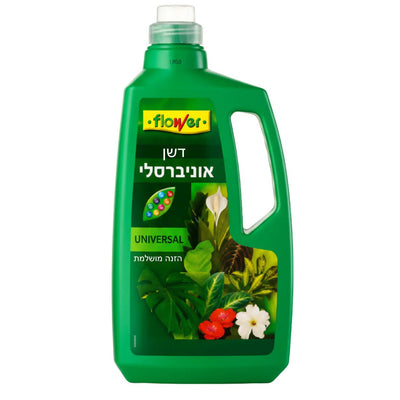
Standard houseplant fertilizer, diluted to half the recommended concentration, as long as the plant is producing new leaves
Reduce or stop fertilizing - the plant is dormant and does not need extra food
🌿 Propagation
The most reliable and common way to propagate a Stromanthe is through rhizome division—similar to most plants in the Marantaceae family:
- Remove the plant from the pot during repotting
- Locate natural separations in the root ball - each part must include its own leaves, stems, and roots
- Separate gently by hand or with a clean, sharp knife
- Plant each part in a separate pot with a well-draining mixture
- Water and keep in high humidity and heat for the first few weeks until the plant establishes itself
Another option (less reliable): stem cutting with at least one node, rooted in water - rooting within about 2-4 weeks.
🔧 Common Problems and Solutions
🍂 Brown and dry leaf tips
Cause: The deadly combination of low humidity + hard tap water with fluoride and salts + irregular watering
Solution: Switch to filtered/rested/rain water, increase environmental humidity, keep watering consistent
🌀 Curling or drooping leaves
Cause: Usually lack of water, humidity too low, or exposure to light that is too direct and intense
Solution: Check soil moisture, move to a shadier spot, add environmental humidity
🍃 Lower leaves yellowing and dropping
Cause: Usually overwatering and soil that is too wet for too long, sometimes just natural aging of an individual leaf
Solution: Check that the pot drains well and reduce watering frequency
🎨 Fading of pink-white shades
Cause: Light that is too weak - the Triostar's color depends directly on good light
Solution: Move to a brighter spot (still without direct sun)
🐛 Pests
The main pest is spider mites, which appear mainly when humidity is too low—another reason to keep humidity high. Other possible pests: mealybugs and aphids. Upon minor appearance, wipe the leaves with a damp cloth; for a stronger infestation, use an organic insecticidal soap.
❓ Frequently Asked Questions
This is the number one complaint of Stromanthe owners in Israel, and it is almost always related to water—fluoride and salts in our hard tap water, combined with low air humidity. Switching to filtered or rested water, along with increasing humidity, solves most cases.
There is no fixed number—water when the top centimeter of the soil starts to feel dry to the touch. The soil should remain consistently moist, without drying out completely, and without staying soggy.
This is an incorrect name but very common in trade. The plant is a Stromanthe (Stromanthe thalia, formerly Stromanthe sanguinea) and not a Calathea—but both genera belong to the same family (Marantaceae), look similar, and require almost identical care, which is why many nurseries sell it under the Calathea name.
This is a natural phenomenon called nyctinasty, common in the entire Marantaceae family. A small joint at the base of each leaf (pulvinus) controls water pressure in the cells and allows the leaf to lift and close in the evening, and open again with the first light of the morning—like a prayer. This is a sign of a healthy plant, not a problem.
Generally not recommended. The plant is suited to warm and humid climates (USDA zone 9-11) and it is a true tropical—direct sun, dry wind, and winter frost will damage it outdoors. In Israel, it is a strictly indoor plant.
📊 Summary Table
| Category | Details |
|---|---|
| ☀️ Light | Bright indirect, no direct sun |
| 💧 Watering | Consistent, soil always moist; filtered/rested water only |
| 🌡️ Temperature | 18-29°C, sensitive to cold below -1°C |
| 💦 Humidity | High, 45%+ (60%+ preferred) |
| 🌍 Soil | Peat-based, well-draining |
| 🌾 Fertilization | Diluted houseplant fertilizer, spring-summer only |
| 📏 Size | Approx. 60-90 cm height, 45-60 cm width |
| 📊 Difficulty | Medium-High |
🛒 Shop Deco Garden
🌿 Deco Garden - Love for Plants
Have a question about your Stromanthe? The Deco Garden team is here for you - write to us and we will be happy to help.
© 2026 Deco Garden - All rights reserved
The guide was written by the Deco Garden expert team
🛒 המוצרים מהמדריך
הצמחים והמוצרים שהמדריך מדבר עליהם — לחיצה על כרטיס מעבירה לעמוד המוצר.