How to care for a bonsai at home by plant type: Polyscias, Pachira, and Portulacaria
 המוצר מהמדריך זמין באתר
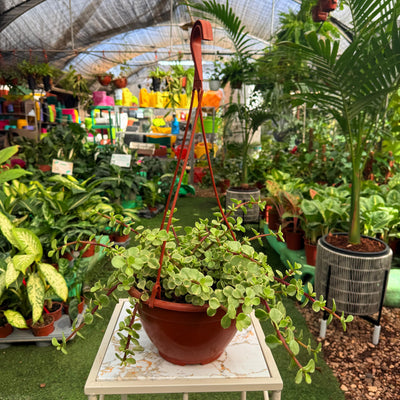
Portulacaria afra (Elephant Bush) – 12 or 20 cm
65.00 ₪
Deco Garden Practical Guide
Bonsai is a cultivation and styling method, not the name of a specific plant. Polyscias, Pachira, and Portulacaria may be sold with a similar compact appearance, but they do not require the same light, soil, or watering. Always identify the plant first, then provide the appropriate care.
“Bonsai” describes the growth style, not standardized care instructions
According to the Royal Horticultural Society, bonsai is the art of growing trees and shrubs on a small scale through training, pruning, and container restriction. Therefore, the word in the product name does not replace the species name. For example, a tropical Polyscias, a Pachira from humid forest regions, and a succulent Portulacaria will each react differently to the same watering regimen.
Three products, three different needs
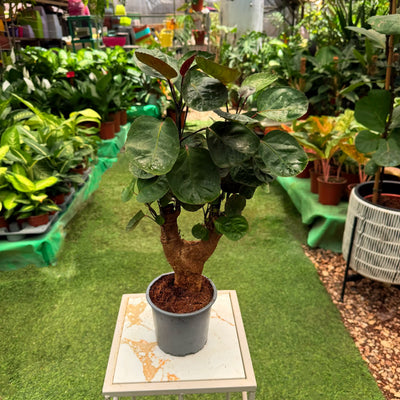
Dark, round leaves and a thickened trunk. This is a relatively slow-growing tropical houseplant. It prefers bright, indirect light, well-draining soil, and consistent moisture without standing water.
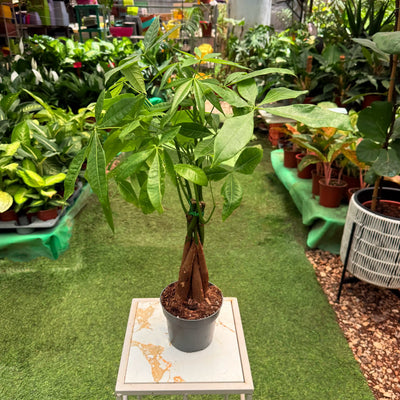
Palm-like leaves and braided trunks formed while flexible. “Money Tree” is a cultural nickname, not a guarantee. The plant prefers indirect light and slightly moist, well-drained soil.
Small, fleshy leaves on reddish stems. Portulacaria is a succulent and therefore needs more light, very well-draining soil, and significantly more drying time between waterings.
For plants checked in-store
Watering and soil: Don’t copy schedules from other plants
| Plant | Light | When to check moisture | Soil |
|---|---|---|---|
| Polyscias | Bright and indirect; avoid prolonged direct exposure. | When the top layer is slightly dry, before the whole root ball dries out completely. | Airy, well-draining potting mix. |
| Pachira | Indirect light or a gentle mix of sun and shade; strong sun may scorch. | When the top part begins to dry out. Water and drain, no standing water. | Slightly moist, rich, well-draining soil. |
| Portulacaria | Strong light; acclimate gradually to direct sun. | Only after the soil has dried out significantly. Check more often in heat and strong light. | Cactus mix or very well-draining mineral mix. |
Frequency varies by season, light, container volume, air circulation, and soil composition. Therefore, do not water on a fixed day just because a general chart suggests it.
When to repot — and when not to
Do not automatically repot a new plant or prune roots just because of the word “bonsai.” Check if water is no longer absorbing evenly, if roots are filling the container or coming out of the drainage holes, and if the soil has broken down and lost aeration. The RHS notes that in traditional bonsai, root pruning and repotting depend on the growth rate and species.
- Container with drainage: Essential for all three plants.
- Size: Choose a container that holds the root ball without excessive extra volume; there is no universal pot-size upgrade that fits all.
- Root pruning: An advanced practice that depends on the species. For young decorative plants, you can often move them to a new pot without turning them into a traditional bonsai.
- After repotting: Maintain stable conditions and avoid further fertilizing until the plant resumes growth, according to the product label.
Pruning and fertilizing: Clean tools, small cuts, precise dosage
For maintenance pruning, use sharp, clean bypass pruners. Dull blades can crush tissue, and tools that haven't been cleaned can transfer issues between plants. Start with damaged branches and growth that disrupts the form, and monitor the plant’s reaction before pruning further.
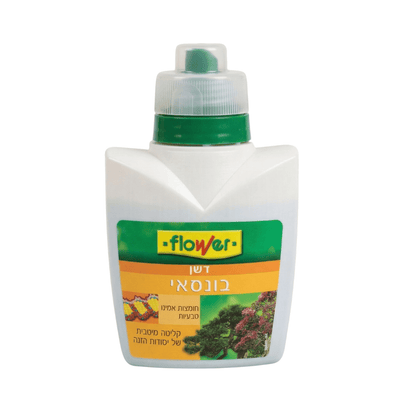
Fertilizer is not a cure for yellowing leaves or root rot. Only fertilize a healthy plant in active growth, following the label on the bottle. For Polyscias and Pachira in bonsai style, you can choose specialized bonsai fertilizer. For Portulacaria, which is a succulent, a cactus and succulent fertilizer is appropriate. If the soil is already pre-fertilized, do not add more without checking the soil instructions.
Frequently asked questions
🛒 המוצרים מהמדריך
הצמחים והמוצרים שהמדריך מדבר עליהם — לחיצה על כרטיס מעבירה לעמוד המוצר.