🌸 Camellia | The Complete Guide to Growing and Care
 המוצר מהמדריך זמין באתר
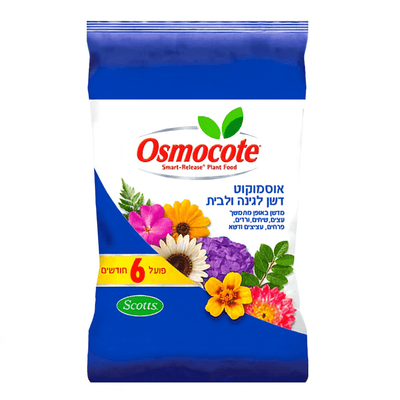
Potting mix, planting soil, fertilizer-enriched
22.50 ₪
The camellia is one of the most beautiful and impressive flowering shrubs for gardens and balconies: an evergreen shrub with dark, glossy foliage and a rich display of large rose-like or peony-like flowers at the height of winter and spring, when most of the garden is resting. It is a rewarding plant, but a bit of a "prima donna"—especially in Israel, due to our alkaline water and soil. In this guide, we will explain exactly how to grow it correctly, with honesty and without embellishment.
📋 Quick Summary - Everything you need to know at a glance
Partial shade / Morning sun
Protect from intense afternoon sun
Regular, soil always moist
Must not dry out, especially during flowering
Moderate-Challenging
Sensitive to alkaline water and soil
Evergreen flowering shrub
Glossy foliage, winter bloom
1-2 m in a pot
Up to 3-5 m in the garden over the years
Friendly!
Safe for cats and dogs (ASPCA)
🌱 Getting to know the plant
Names and Identification
- Hebrew name: Camellia (Japanese / Chinese Camellia)
- Scientific name: Camellia japonica and Camellia sasanqua
- English: Camellia / Japanese Camellia
- Family: Theaceae (Tea family)
- Type: Perennial evergreen flowering shrub
Origin and Background
The camellia originates from East Asia—Japan, Korea, and China—where it grows as a forest shrub in the shade of tall trees, in acidic, moist soil. It is a cousin of the tea plant (Camellia sinensis), from which green and black tea are produced. In the garden, it serves as an impressive ornamental shrub thanks to its dark green foliage all year round and its dramatic flowering in a season when almost nothing else blooms.
Unique Characteristics
- ❄️ Blooms in winter and spring — color in the garden just when everything is grey
- 🌹 Large, magnificent flowers resembling a rose or peony, in white, pink, and red
- 🍃 Glossy evergreen foliage that stays beautiful all year round
- 🏡 Long-lived, hardy shrub — can live for decades
- 🐾 Friendly — safe at home with cats and dogs
- 🪴 Excellent for container gardening — full control over soil and water (critical in Israel)
⚠️ Don't get confused: Ornamental Camellia vs. Tea Shrub
All camellias belong to the same botanical genus (Camellia), but they are not all the same:
- Japanese Camellia (C. japonica) — the classic ornamental camellia, large flowers, late winter–spring bloom, loves partial shade.
- Sasanqua Camellia (C. sasanqua) — smaller but numerous and sometimes fragrant flowers, blooms earlier (autumn–early winter), and tolerates more sun. An excellent variety for a sunny balcony in Israel.
- Tea Shrub (C. sinensis) — same genus, but this is the plant from which tea leaves are harvested. Generally not sold as an ornamental plant.
💡 In short: If your balcony is sunny — consider a Sasanqua. If you have dappled shade — the Japanese one will reward you with the most impressive flowers.
💚 Why choose a camellia?
Color and life in the garden in the heart of winter and spring
Glossy evergreen foliage even without flowers
A rare solution for shaded corners in the garden
Friendly to cats and dogs according to the ASPCA
Grows with you and blooms for many years
Control over soil and water, exactly what it needs
🌸 Main Varieties and Types
Japanese Camellia
C. japonica — the classic. Large and magnificent flowers, blooms in late winter and spring. Loves partial shade and consistent moisture.
Sasanqua Camellia
C. sasanqua — smaller and numerous flowers, sometimes fragrant. Blooms early (autumn–winter) and tolerates more sun. Ideal for a sunny balcony.
Hybrids
Modern varieties combine flower size, fragrance, and hardiness. It is worth choosing a variety that suits the light conditions you have at home exactly.
Tea Shrub
C. sinensis — the exact same family, but this is the plant from which tea is made. A nice curiosity, less common as an ornamental.
🌤️ Detailed Growing Conditions
☀️ Light
- The ideal location: partial shade or dappled shade — for example, under a tall tree or in a corner that only gets morning sun.
- Gentle morning sun — excellent. Israel's intense afternoon sun — dangerous: it burns leaves and dries out buds.
- Ensure the location is protected from dry and cold winds.
- Sasanqua tolerates more sun than the Japanese variety — if your balcony is sunny, this is the right variety.
💧 Watering
The main rule: soil moist uniformly — not wet and not dry. The camellia hates both drying out and excess water/flooding.
Frequent and regular watering. Under no circumstances should the soil dry out — especially in late summer, when flower buds develop.
Reduce, but maintain slight moisture. During flowering — do not let it dry out, otherwise buds will drop.
How do you know when to water? Check the soil 2-3 cm below the surface — when it begins to dry slightly, it's time. Don't wait for the soil to dry out completely.
🌡️ Temperature and Climate
- The camellia loves a moderate and cool climate — not freezing cold and not too hot and dry.
- In most parts of Israel (coastal plain, lowlands) it feels good; in mountains and valleys where there is frost — protect it on extremely cold nights.
- ⚠️ Sharp temperature changes, relocating, and sudden humidity shifts cause bud drop. Give it a permanent and stable location.
- The dry heat and heatwaves of the Israeli summer are the biggest challenge — a shaded location and moist soil help it survive them.
🌍 Soil — The most important point in Israel
- The camellia is an acid-loving (ericaceous) plant — it needs acidic soil with a pH of 5.5-6.5.
- The soil must be well-drained but moisture-retentive, rich in organic matter.
- ⚠️ The soil and water in Israel are alkaline (basic) — this is the #1 reason for failure. In alkaline soil, the plant cannot absorb iron and yellows.
- ✅ The solution: grow in a pot with a medium for acid-loving plants (azalea/rhododendron mix), and acidify occasionally with yellow sulfur or an acidifying fertilizer.
🌿 Fertilization
🌸 Spring-Summer (growing season)
Fertilize after flowering ends, from spring to mid-summer. Gentle and gradual fertilization is preferred — liquid fertilizer every two weeks to a month, or granular fertilizer once per season.
🍂 Late summer-winter
Stop fertilizing towards the end of the summer so as not to encourage soft growth before winter. During flowering — do not fertilize, just maintain moisture.
✂️ Pruning and Maintenance
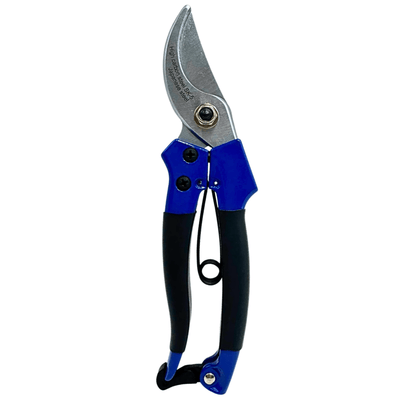
- 🚫 Do not prune deeply. The camellia does not like heavy pruning — be content with light shaping only.
- ✂️ When to prune? Immediately after flowering ends, before new buds develop — to avoid damaging next year's bloom.
- 🌿 Mulching: Spread a layer of organic mulch (pine bark, for example) on the soil surface — it retains moisture, cools the roots, and slightly acidifies the soil.
- 🍂 Remove withered flowers and diseased leaves to maintain a clean look and prevent diseases.
🌱 Camellia Propagation
The common method is semi-ripe cuttings — it is a slow but possible process:
- When: Late summer (July-August), when the current year's growth has started to harden and turn from green to light brown.
- Cutting: Take an 8-12 cm long cutting with several leaves, and cut just below a leaf node.
- Preparation: Remove the lower leaves and leave 2-3 top leaves. It is recommended to dip in rooting hormone.
- Planting: Insert into a moist, acidic, well-draining medium (perlite + peat), and maintain moisture and a temperature of 18-24°C.
- Patience: Rooting takes 6-8 weeks, and the seedling is ready for a pot only after 6-8 months. This is a patient plant that requires time.
- 💡 Tip: Propagation from cuttings is not always easy for beginners. If you want a sure result — it's better to just start with an established bush.
🔧 Common Problems and Solutions
🍂 Yellowing leaves (chlorosis)
Cause: Alkaline soil/water — the #1 problem in Israel. The plant does not absorb iron.
Solution: Water with rainwater/soft water, acidify the soil with sulfur, and use chelated iron supplement and acidifying fertilizer.
🌸 Bud drop
Cause: Drying out during flowering, irregular watering, sharp temperature shifts, or moving the plant.
Solution: Uniform and constant moisture, especially in late summer, and a stable location without moving it.
🚫 No flowering
Cause: Too exposed or strong sun, cold, improper pruning timing, or a young plant.
Solution: Shaded and protected location, prune only after flowering, and patience with a young shrub.
🍄 Brown leaves / root rot
Cause: Excess water and flooding, poor drainage, or sun scorch on leaf tips.
Solution: Ensure excellent drainage, do not leave water in the saucer, and keep away from direct afternoon sun.
🐛 Common Pests
- Scale insects (mostly tea scale): Dots/spots on the back of the leaf. Treat with mineral oil or a suitable product.
- Aphids and thrips: On soft foliage and flowers — wash with water and green soap/oil.
- Red spider mites: Appear in dry, hot air — increase humidity and wash the foliage.
- Mealybugs: White "fluff" in the leaf axils — wipe with alcohol and treat with oil.
❓ FAQ
The most common reason in Israel is calcareous (hard) water and soil, which prevents iron absorption — a condition called chlorosis. Water with rainwater/soft water, acidify the soil, and add fertilizer and iron for acid-loving plants.
There is no fixed number — the rule is to keep the soil consistently moist. In summer, water frequently (usually several times a week in a pot), and reduce in winter. Never let the soil dry out completely, especially during flowering.
Bud drop is usually caused by dehydration, irregular watering, sharp temperature changes, or moving the plant. Maintain constant moisture (especially in late summer) and a stable location.
The Japanese variety — no, the strong afternoon sun burns it; it wants partial shade. The Sasanqua variety tolerates more sun and is therefore more suitable for a sunny balcony. In any case, it is advisable to protect it from the intense summer afternoon sun.
The Japanese variety blooms in late winter and spring, while the Sasanqua blooms earlier in the fall and early winter. This is exactly its strength — it brings color to the garden when almost nothing else is blooming.
📊 Summary Table
| Category | Details |
|---|---|
| ☀️ Light | Partial shade / morning sun, protection from afternoon sun |
| 💧 Watering | Regular, soil always moist; rainwater/soft water preferred |
| 🌡️ Temperature | Mild and cool climate; protect from frost and extreme heat/heatwaves |
| 💦 Humidity | Medium-high; does not like very dry air |
| 🌍 Soil | Acidic (pH 5.5-6.5), well-drained, rich — substrate for acid-loving plants |
| 🌿 Fertilizing | Fertilizer for acid-loving plants, spring-summer, delicate dosage |
| 📏 Size | 1-2 m in a pot, up to 3-5 m in the garden over the years |
| 📊 Difficulty Level | Medium-challenging (mainly due to water and soil in Israel) |
| ✨ Special | Blooms in winter and spring, evergreen all year round |
🛒 Shop at Deco Garden
Want to start with a healthy, established camellia? Here are our recommendations:
🌿 Deco Garden - Love for Plants
The camellia is a rewarding shrub for those willing to provide the right conditions — acidic soil, soft water, and a sheltered location. In return, you will get spectacular winter blooms year after year. Have a question? We are here for you.
© 2026 Deco Garden - All rights reserved
The guide was written by the Deco Garden expert team
🛒 המוצרים מהמדריך
הצמחים והמוצרים שהמדריך מדבר עליהם — לחיצה על כרטיס מעבירה לעמוד המוצר.