🌸 Pink Callisia | The Complete Guide to Growing and Care
 המוצר מהמדריך זמין באתר
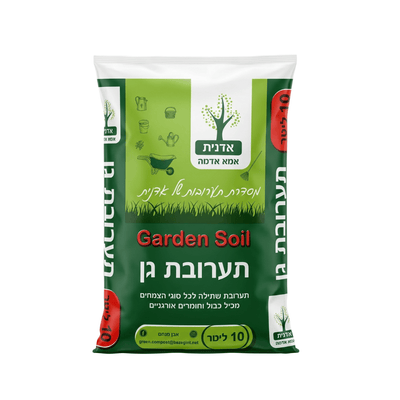
Migdal from the Northern Border 10 liter planting mix
14.00 ₪
📋 Quick Summary - Everything you need to know at a glance
Bright indirect light
More light = more pink!
Moderate
When the top layer is dry
Very easy
Great for beginners
Hanging/Trailing
Semi-succulent leaves
10-15 cm height
Stems trail 60 cm+
🌱 Getting to know the plant
Names and Identification
- Hebrew name: Pink Callisia
- Scientific name: Callisia repens 'Pink Lady' (also known as 'Bianca')
- English: Turtle Vine, Pink Lady, Creeping Inch Plant
- Family: Commelinaceae - like the well-known Tradescantia
- Type: Trailing and hanging herbaceous perennial, semi-succulent
Origin and Background
The base species Callisia repens (in its green version) originates from tropical America - from the southern United States (Texas and Florida) through the Caribbean to Argentina, where it grows naturally as a trailing ground cover on the floor of humid, shaded tropical forests. The variety common here, 'Pink Lady', is a variegated cultivar with pink-cream-green leaves developed from the wild species.
Unique Characteristics
- 💪 Hardy and easy to grow - almost impossible to kill with proper watering
- 🌸 The pink color depends almost entirely on light levels - the more light it gets, the more prominent it is
- ✂️ Roots with incredible ease - almost any stem cutting that touches the soil roots itself
- 🪴 Perfect for a hanging basket thanks to its trailing and rapid growth
- 🐢 The English name "Turtle Vine" was given to it due to the shape of its small, round leaves
⚠️ Not to be confused
Pink Callisia (Callisia repens) is different from the "Basket Plant" - Callisia fragrans - a close relative in the same genus with much larger leaves that grow in a rosette shape. Both species belong to the Commelinaceae family, to which the common Tradescantia also belongs.
💚 Why choose Pink Callisia
🍃 Related varieties to know
The pink-cream variety - needs bright light to maintain its hues.
The all-green parent form, without variegation - even more shade-tolerant and also grows as outdoor ground cover.
A relative with large leaves and a more upright rosette - not the plant sold here.
🌤️ Detailed Growing Conditions
☀️ Light
- Bright, indirect light is essential - proximity to an east or south-facing window is excellent
- A bit of direct morning or early afternoon sun is possible and even desirable
- The more light it gets - the more prominent the pink-cream hues. In shade, the plant "greens up" (loses the pink and reverts to solid green) and stretches
- Too much strong, direct sun, especially during the Israeli summer afternoon, may burn the delicate leaves - bright, indirect light is preferred during the hottest hours
💧 Watering
When the top 2-3 cm of soil is dry - usually every week or two in the Israeli heat
Significantly reduce - let the soil dry out almost completely between waterings
How to tell: Insert a finger 2-3 cm into the soil - if it's dry, it's time to water. Soft and "drooping" leaves signal thirst; leaves that are too soft and translucent signal overwatering. The plant is semi-succulent and sensitive to root rot - it is better to leave it too dry than too wet, and a pot with drainage holes is a must.
🌡️ Temperature
Ideal range: about 15-27°C. The plant is sensitive to cold and does not tolerate frost at all. Frost warning: In the mountain and valley regions of Israel, as temperatures drop in winter, bring the plant inside or grow it as a house/protected balcony plant. In summer, it enjoys a partially shaded balcony in coastal and plain areas.
💦 Humidity
As a plant of tropical origin, Callisia enjoys moderate humidity but adapts well to normal home conditions. Very dry air - like in air-conditioned apartments during the Israeli summer - can cause brown, crispy leaf edges. Occasional misting or a pebble tray with water under the pot helps.
🌍 Soil
- A light, well-draining mix - about 2 parts potting soil + 1 part perlite/sand + 1 part peat/coco coir
- Slightly acidic pH is preferred (about 5.0-6.5)
- Good drainage is critical - a pot with drainage holes prevents root rot
🌾 Fertilization
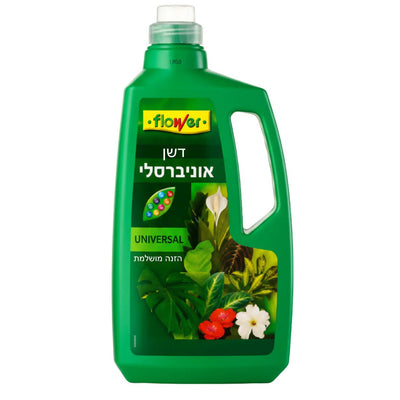
Balanced, diluted liquid fertilizer, once a month
Stop or reduce almost completely - the plant is at rest
Over-fertilization can actually lead to sparse, leggy growth and damage the colors - less is more with this plant.
✂️ Pruning and Maintenance
Light pinching of the stem tips encourages branching and bushier, fuller growth, instead of individual, leggy stems. Regular pruning also controls the plant's size and keeps it neat in a hanging pot - and as a bonus, every piece pruned can serve as a cutting for propagation (see below).
🌱 Propagation
- Cut a stem cutting 7-10 cm long, with several leaves, below a leaf node
- Remove the lower leaves to expose part of the stem
- Root in water or directly in moist soil - the plant roots easily using both methods and does not need rooting hormone
- If rooted in water - transfer to soil when roots reach a length of about 2-3 cm
- Keep moisture consistent until fully established
Callisia is known as one of the easiest plants to propagate - stems root almost by themselves at any point that touches moist soil, just as it does in nature.
🔧 Common Problems and Solutions
🍂 Brown and crispy leaf tips
Cause: Humidity too low, often combined with irregular watering.
Solution: Increase humidity (misting, pebble tray) and stick to a regular watering schedule.
🦠 Stem or root rot
Cause: Overwatering and poor drainage.
Solution: Reduce watering, ensure the pot has drainage holes, and in severe cases, replace the soil and trim away the rotted parts.
🌿 The pink color is fading or disappearing
Cause: Insufficient light - the most common sign in this variety.
Solution: Move to a brighter spot, closer to a window, with a bit of direct sun if possible.
🥀 Stems are stretching and sparse
Cause: Light too weak (legginess).
Solution: Add light and pinch the stem tips to encourage branching.
🍃 Soft and wilting leaves
Cause: Thirst - the soil has dried out too much.
Solution: Water immediately and repeat the finger test in the soil before any future watering.
🐛 Pests
The most common pests on Callisia are mealybugs, aphids, spider mites, scale insects, and thrips. By regularly checking the undersides of the leaves, you can catch an infestation early and treat it with insecticidal soap or neem oil.
❓ Frequently Asked Questions
This is almost always a sign of a lack of light. The pink-cream hue directly depends on the amount of bright light the plant receives - move it to a brighter spot closer to a window.
Only when the top layer of soil (2-3 cm) is dry to the touch - in the Israeli summer, usually every week or two, and less so in winter. It is better to leave the plant too dry than too wet.
Cut a stem piece 7-10 cm long, remove lower leaves, and root in water or directly in moist soil. This is one of the easiest plants to propagate - rooting almost always succeeds.
Yes, on a partially shaded balcony in coastal and plain areas during the warm season, but it must be brought inside or protected in winter - the plant is sensitive to cold and does not tolerate frost, so in mountain and valley regions, it is best to grow it as a houseplant.
Usually a sign of thirst - the soil has dried out too much. Check with your finger and if dry, water it. Foliage that is too soft and translucent, on the other hand, signals overwatering.
📊 Summary Table
| Category | Details |
|---|---|
| ☀️ Light | Bright indirect, a bit of direct sun possible - more light = more pink |
| 💧 Watering | Moderate - when the top layer is dry; less in winter |
| 🌡️ Temperature | About 15-27°C, sensitive to cold and frost |
| 💦 Humidity | Moderate, adapts to home conditions |
| 🌍 Soil | Light and well-draining, slightly acidic pH |
| 🌾 Fertilization | Balanced, diluted liquid once a month, spring-summer only |
| 📏 Size | 10-15 cm height, stems trail 60 cm and more |
| 📊 Difficulty | Very easy, suitable for beginners |
| ✨ Special | Very easy to propagate from cuttings, perfect for a hanging planter |
🛒 Shop at Deco Garden
🌿 Deco Garden - A Love for Plants
Do you have a question about Pink Callisia or any other plant? Our team of experts is here for you.
© 2026 Deco Garden - All rights reserved
This guide was written by the Deco Garden expert team
🛒 המוצרים מהמדריך
הצמחים והמוצרים שהמדריך מדבר עליהם — לחיצה על כרטיס מעבירה לעמוד המוצר.