

🌿 Peperomia | The Complete Growing and Care Guide
 המוצר מהמדריך זמין באתר
Peperomia magnifolia perennial for the home
35.00 ₪
The Peperomia is one of the easiest, most compact, and forgiving houseplants available—a huge genus of about 1,500 species with semi-succulent leaves that store water. It is low-maintenance, loves bright, indirect light, and is perfect for a desk, shelf, or windowsill. In this guide, you will find everything you need to grow a healthy Peperomia in Israeli conditions.
📋 Quick Summary - Everything you need to know at a glance
Bright indirect light
No harsh direct sun
Minimal
Only when soil dries out
Very easy!
Suitable for beginners
Semi-succulent
Fleshy water-storing leaves
20-38 cm
Compact, for desks and shelves
🌱 About the Plant
Names and Identification
- Hebrew name: Peperomia
- Scientific name: Peperomia (a genus with about 1,500 species)
- English: Peperomia / Radiator Plant
- Family: Piperaceae
- Type: Foliage houseplant, semi-succulent, perennial
Origin and Background
Most Peperomia species originate from the tropical rainforests of Central and South America—mainly Brazil, Mexico, and the Caribbean. In nature, they grow as understory plants, sometimes on tree trunks, so they are accustomed to filtered light rather than direct sun. This is also where they get their ability to get by on little water.
Unique Characteristics
- 💧 Fleshy water-storing leaves — a semi-succulent that forgives missed waterings
- 🌿 Huge variety — green, variegated, crinkled, watermelon-colored leaves, and more
- 📐 Compact — stays small and tidy, perfect for desks, shelves, or windowsills
- 🌱 Slow growth — rarely needs repotting, can stay in the same pot for 2-3 years
- ✨ Easy to propagate — reproduces easily from stem and leaf cuttings
💚 Why choose a Peperomia?
Stores water in leaves, very forgiving
Fits small spaces and desks
A whole collection from one genus
Very hard to kill
Even under artificial/fluorescent light
🌿 Varieties and Types of Peperomia
Because of the enormous diversity, you can collect dozens of different Peperomias—all with the same easy care. Here are the common varieties sold at Deco Garden:
P. caperata (Emerald Ripple)
Dark green, crinkled leaves with reddish undersides. Blooms with rat-tail-like spikes.
P. obtusifolia (Baby Rubber Plant)
Thick, shiny, round leaves. The easiest variety, even in water.
P. argyreia (Watermelon Peperomia)
Heart-shaped leaves with silver stripes like watermelon rind — needs a bit more light.
P. verticillata
Small leaves layered around the stem, a full and soft look.
P. magnoliifolia
Large, thick, shiny egg-shaped leaves. Extremely hardy.
Piccolo / Lilian
Compact and stylish varieties, perfect for a desk or small pot.
Napoli Nights
Dark, almost black-green leaves with silver veins — a dramatic look.
Burbella
Tiny, dense leaves creating a green "cushion" — great in a hanging pot.
🌤️ Detailed Care Instructions
☀️ Light
- Bright indirect light is ideal — an east or west-facing window, or a bit away from a south-facing window.
- Avoid harsh direct sun (especially in the afternoon during the Israeli summer) — it burns the leaves.
- Variegated varieties (Watermelon, Napoli Nights) need slightly more light to maintain their colors and patterns.
- Does well in medium light and even under fluorescent lighting — suitable for offices and interior rooms.
💧 Watering — The most important point
The fleshy leaves store water, so Peperomia suffers much more from drought than from overwatering. The rule: Water only when the top 2-3 cm of soil is completely dry. It is always better to underwater than to overwater.
About every 7-10 days
About every 14-21 days
How do you know when to water? Stick a finger one knuckle deep — if it's dry, water; if it's still moist, wait. Water thoroughly until water drains from the drainage holes, then empty the saucer — the pot must never stand in water.
🌡️ Temperature
Feels best in a range of 18-30°C — exactly the standard indoor temperature in Israel. It's important to maintain a minimum of about 15°C at night.
⚠️ Cold Warning: The Peperomia is not resistant to frost or cold. In mountain and valley cities (Jerusalem, Galilee, Golan) where temperatures drop near freezing in winter — do not leave it outside. Keep it away from direct AC drafts and cold, drafty windows.
💦 Humidity
Likes slightly higher humidity (tropical origin), but does fine in normal home humidity. In the dry air of the Israeli summer or near an AC, you can place the pot on a tray with pebbles and a little water (without the pot touching the water) or group several plants together.
🌍 Soil
- A light and well-draining mix is crucial to prevent rot.
- Suitable: Peat + perlite + vermiculite at a 2:1:1 ratio, or a ready-made houseplant mix with added perlite. Cactus mix also works.
- Peperomia prefers slightly acidic soil.
- Must use a pot with drainage holes — without them, root rot is almost guaranteed.
🌿 Fertilizing
The Peperomia is not a heavy feeder. Light fertilization during the growing season is sufficient:
Balanced liquid fertilizer, diluted, about once a month only.
Stop fertilizing — the plant is resting and doesn't need nutrients.
Tip: It is better to dilute the fertilizer to half the recommended dose. Excess fertilizer burns the leaf tips.
🌱 Propagation — Easy to succeed
One of the best benefits: it is very easy to multiply Peperomia. The best time is spring. Two main methods:
Stem Cuttings
- Cut a stem 7-12 cm long with a few leaves.
- Optional: dip in rooting hormone (increases success).
- Stick into moist, well-draining soil (or in a glass of water for varieties like Baby Rubber).
- Keep in a warm place with indirect light — roots will appear in a few weeks.
Leaf Cuttings
- Pick a healthy leaf with part of the petiole (the small stalk).
- Stick the petiole into moist rooting medium.
- Cover with a clear bag for humidity, and air it out daily.
- A new small plant will appear from the base of the leaf — a classic method for varieties like Rosso and Watermelon.
🔧 Common Problems and Solutions
🦠 Soft stems/base rot
Symptom: Brown, soft, wet stems, massive leaf drop.
Cause: Overwatering — the #1 problem for Peperomias, leads to root rot.
Solution: Stop watering, check roots, cut away rotted parts with clean scissors, and repot in dry, well-draining soil.
🍂 Yellowing leaves
Symptom: Lower leaves yellow and fall off.
Cause: Usually overwatering; sometimes sudden cold.
Solution: Increase the time between waterings, ensure good drainage, and keep away from AC/cold windows.
🔆 Brown tips / burns
Symptom: Light/brown and dry spots on the leaves.
Cause: Too much direct sun, or fertilizer burn.
Solution: Move to indirect light, dilute fertilizer.
🥀 Wilted and soft leaves
Symptom: Leaves wilting despite looking dry.
Cause: Could be extreme drought or root rot.
Solution: Check the soil — completely dry? Water. Moist but still wilted? It's rot — repot.
🐛 Pests
Peperomia is relatively resistant, but watch out for:
- Mealybugs (common pest) — white, cotton-like fluff in leaf creases. Remove with an alcohol-soaked swab.
- Spider mites — fine webbing and speckled leaves, mainly in dry air. Increase humidity and rinse.
- Fungus gnats — a sign of overwatering. Let the soil dry out between waterings.
- Scale and whitefly — rarer; treat with vegetable oil/soap.
❓ FAQ
In summer, about every 7-10 days, and in winter every 14-21 days — but always according to the soil: water only when the top 2-3 cm are dry. It's better to provide too little than too much.
The most common cause is overwatering. Make sure the soil dries out between waterings and that there is good drainage, and keep the plant away from air conditioners and cold windows.
Bright indirect light, without strong direct sun. An east or west-facing window is perfect. Variegated varieties (Watermelon, Napoli Nights) need a bit more light to maintain their color. It can also manage in medium light and artificial lighting.
It is primarily a houseplant. You can take it out to a shaded and protected balcony in the summer, but keep it away from direct sun and cold. In winter — especially in the mountains and valleys — you should bring it inside because it is not resistant to cold and frost.
Very easily — from a stem cutting or a leaf cutting with a petiole, in a moist, well-draining mix (and certain varieties can also be propagated in water). Spring is the best time.
📊 Summary Table
| Category | Details |
|---|---|
| ☀️ Light | Bright indirect light, no strong direct sun. Variegated varieties — more light. |
| 💧 Watering | Sparse. Summer ~every 7-10 days, winter ~every 14-21. Only when the soil is dry. |
| 🌡️ Temperature | 18-30°C. Minimum ~15°C. Not resistant to frost. |
| 💦 Humidity | Likes moderate-to-high humidity, but manages well in household humidity. |
| 🌍 Soil | Light, well-draining, and slightly acidic mix. Drainage holes are a must. |
| 🌿 Fertilization | Diluted liquid fertilizer once a month in spring-summer. Do not fertilize in winter. |
| 📏 Size | Compact, about 20-38 cm. Slow growing. |
| 📊 Difficulty Level | Very easy — suitable for beginners. |
| ✨ Special | Semi-succulent; stores water; dozens of varieties; easy to propagate. |
🛒 Shop at Deco Garden
All our Peperomias arrive healthy and well-cared for, ready for your home. Choose the variety that speaks to you most:
🌿 Deco Garden - A Love for Plants
The Peperomia proves that it's possible to grow a beautiful plant that is almost impossible to kill. Have a question about your specific variety? The Deco Garden team is here for you.
© 2026 Deco Garden - All Rights Reserved
This guide was written by the Deco Garden team of experts
🛒 המוצרים מהמדריך
הצמחים והמוצרים שהמדריך מדבר עליהם — לחיצה על כרטיס מעבירה לעמוד המוצר.
-
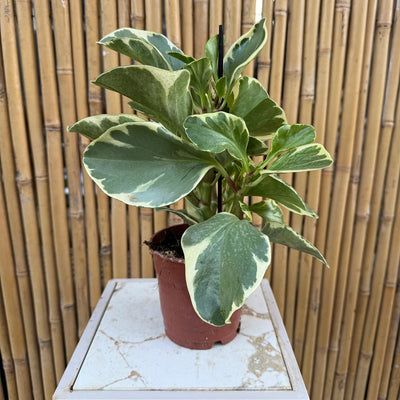 Peperomia magnifolia perennial for the home
החל מ-35.00 ₪לעמוד המוצר
-
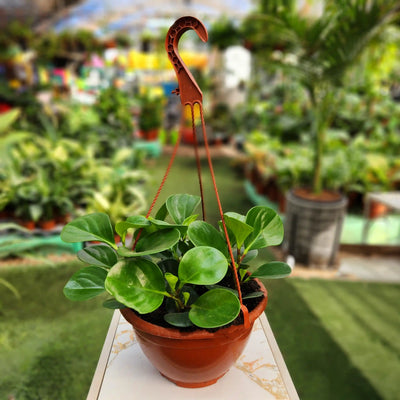 Green Peperomia 20 cm pot (indoor perennial)
החל מ-35.00 ₪לעמוד המוצר
-
 Peperomia Piccolo 15 cm pot
70.00 ₪לעמוד המוצר
-
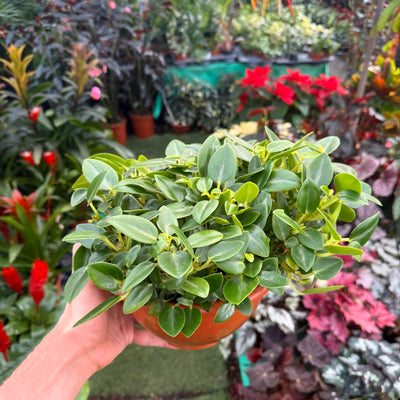 Peperomia Orba Pixie Pot 20 cm
85.00 ₪לעמוד המוצר
-
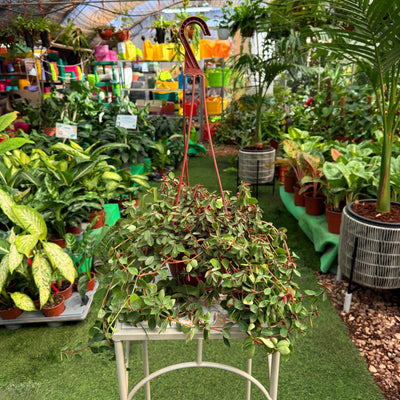 Peperomia verticillata, 15 cm pot diameter
70.00 ₪לעמוד המוצר
-
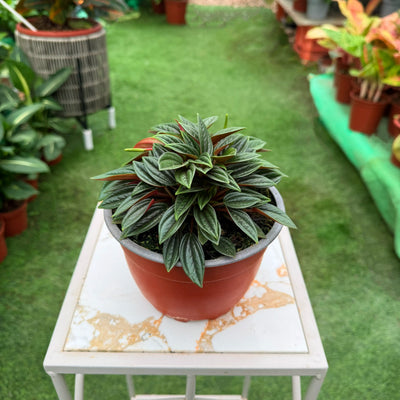 Peperomia Rosso 15 cm pot
60.00 ₪לעמוד המוצר
-
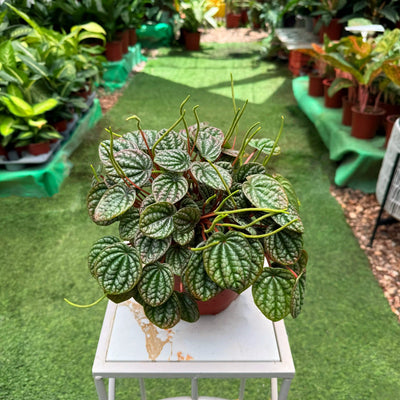 Peperomia 'Burle Marx', 15 cm pot diameter
70.00 ₪לעמוד המוצר
-
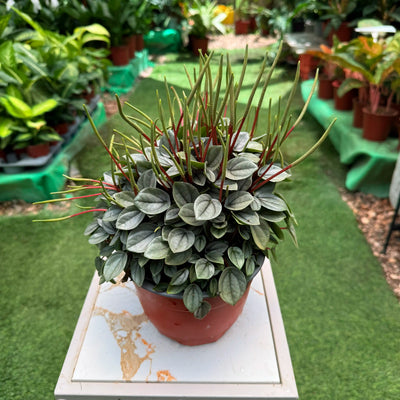 Peperomia Napoli Nights, 15 cm pot diameter
70.00 ₪לעמוד המוצר

