The Comprehensive Guide to Philodendron Ring of Fire Care
 המוצר מהמדריך זמין באתר
Philodendron Ring of Fire 3 liter
150.00 ₪
המוצר מהמדריך זמין באתר
Philodendron Ring of Fire 3 liter
150.00 ₪
Philodendron 'Ring of Fire' is a Philodendron cultivar with a name accepted by the RHS, where the synonym 'Henderson's Pride' is also listed. It is prized for its serrated and variegated leaves, each of which can emerge with a unique pattern.[1][2][3]
There is no exact parentage for this cultivar in the authoritative registry found, and therefore this guide does not present an unverified hybridization story. Care is based on the identity of the cultivar and on research-based and institutional guidelines for the genus Philodendron.[1][2][3]
Ring of Fire Quick Care
| Light | Bright indirect light; more light within the safe range supports size and color, without direct summer sun.[2][3] |
|---|---|
| Watering | Water when the top has dried slightly, until runoff, and do not leave in standing water.[2][4] |
| Substrate | Rich, coarse, and well-draining mix with aeration for roots.[2][4] |
| Temperature | Stable warmth, above 15°C, without cold drafts or direct air conditioning.[2][3] |
| Rate | Growth can be slow; do not compensate with excess water or fertilizer.[2][3] |
Light for variegated foliage without burning
Place near a bright window with filtered light. In light that is too low, internodes stretch, growth slows, and the plant produces smaller leaves; strong sun on light areas can cause dry damage.[2][3][4]
If the plant came from a shaded environment, increase light gradually over several weeks. Do not use fertilizer to compensate for low light.[2][3][4]
Watering and roots
Check the top layer and the weight of the pot. When the top is slightly dry, water slowly until runoff and discard excess. Fleshy Philodendron roots are sensitive to substrates that remain saturated for long periods.[2][4]
A slow-growing plant consumes less water than a fast-growing one. Do not let the price or rarity of the cultivar drive overwatering; the substrate is the gauge.[2][4]
Humidity, heat, and ventilation
Average household humidity is usually sufficient, and moderate humidity can help leaves unfurl without getting stuck. Concurrently, gentle ventilation is needed, not a closed and damp space.[2][4][3]
Keep temperatures above 15°C and keep away from cold or heat sources. In cold and low light, reduce water according to drying.[2][4][3]
Potting mix and repotting
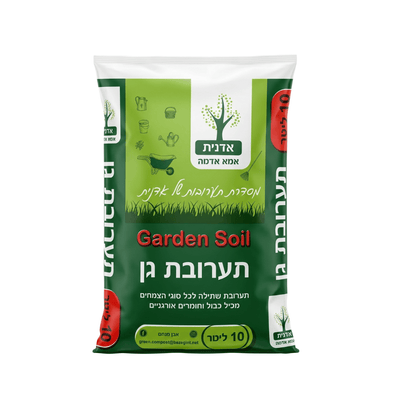
Use a houseplant substrate that contains organic matter alongside coarse components for drainage and aeration. Drainage holes are mandatory, and do not leave water in decorative pots.[2][4]
Repot only when roots have filled the pot, using a slightly larger container. Excess substrate volume around a small root system stays wet and increases the risk of rot.[2][4]
Slow and measured fertilization
During active growth, you may provide a general houseplant fertilizer according to the label and at a conservative dosage. If there is no new leaf, check light, roots, and temperature first.[2][3]
Over-fertilization can burn tips and damage roots. Do not fertilize immediately after purchase or repotting, nor when the substrate is completely dry.[2][3]
How to help a new leaf unfurl
Maintain consistent watering and reasonable environmental humidity, and avoid touching or pulling a rolled leaf. Forcing it open tears young tissue.[2][4]
If leaves repeatedly get stuck, check for dry air, deep drying between waterings, cold, or pest damage in the growth area.[2][4]
Cleaning and pruning
Wipe leaves with a damp cloth without leaf shine. Remove a dead leaf only when the petiole separates easily, or cut with a clean tool.[2][4]
The plant does not require frequent pruning. If the stem stretches, proper support and rotating the pot are preferable to random cutting of the growth point.[2][4]
What is known — and not known — about the cultivar
The RHS accepts the name Philodendron 'Ring of Fire' and lists 'Henderson's Pride' as a synonym. This registry does not detail the cultivar's parents, so there is no sufficient basis to determine an exact hybridization.[1][3][2]
At the genus level, UF/IFAS found that Philodendrons can tolerate low light, but appropriate light better maintains color and leaf size. The research is not specific to 'Ring of Fire', so it is used as a cautious principle rather than a guarantee of the amount of variegation.[1][3][2]
Troubleshooting Ring of Fire
- Sign
- Faded spots or white clumps
- Possible cause
- Spider mites or mealybugs.
- What to do
- Isolate, check the underside and petiole bases, and treat according to identification with a labeled product.[2]
Frequently Asked Questions
How much light does Ring of Fire need?
Bright indirect light. Low light over time reduces growth, and strong sun can burn light areas.[2][3]
When to water Philodendron 'Ring of Fire'?
When the top of the substrate has dried slightly. Water until runoff and empty any standing water.[2][4]
Why is my Ring of Fire growing slowly?
Growth is affected by light, temperature, roots, and season. Do not compensate for slowing down with excess water or fertilizer.[3][2]
Will every leaf be variegated to the same extent?
No. Leaf patterns vary. Provide appropriate light and maintain plant health, but you cannot guarantee an identical pattern on every leaf.[1][2]
Does it need a support pole?
Not always for a young plant. If the stem starts to lengthen, a stable support can maintain an orderly structure.[2][4]
When to repot?
When roots fill the container or the substrate has lost structure. Move only to a slightly larger container.[2]
Why does a new leaf get stuck?
Dryness, dry air, cold, or pests can delay unfurling. Stabilize conditions and do not pull the leaf forcefully.[2][4]
Are the exact parents of Ring of Fire known?
No authoritative record for this was found in the RHS source checked. Therefore, the guide does not present unverified parentage.[1]
The plant and products suitable for the guide

Philodendron Micans 12cm pot
Another Philodendron suitable for a bright houseplant corner with indirect light.
₪30.00
View product
Philodendron Imperial Red 12cm pot
Another Philodendron suitable for a bright houseplant corner with indirect light.
₪30.00
View product
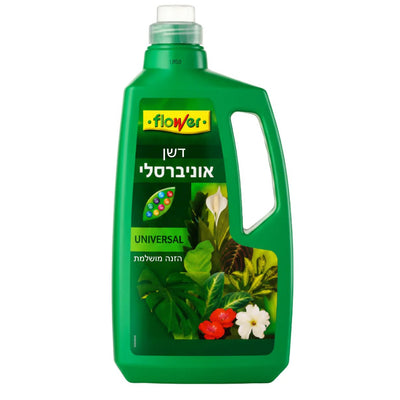
Universal Fertilizer 1.2 Liter
For measured fertilization during active growth only, according to product instructions and the guide.
₪45.00
View productSources and fact-checking
- Philodendron 'Ring of Fire'
- How to grow philodendrons
- Cultural Guidelines for Commercial Production of Interiorscape Philodendron
- Philodendron
Updated:
🛒 המוצרים מהמדריך
הצמחים והמוצרים שהמדריך מדבר עליהם — לחיצה על כרטיס מעבירה לעמוד המוצר.