

🌵 Portulaca (Purslane) | The Complete Growing and Care Guide
 המוצר מהמדריך זמין באתר
Potting mix, planting soil, fertilizer-enriched
22.50 ₪
📋 Quick Summary - Everything you need to know at a glance
Full sun
At least 6-8 hours of direct sunlight per day
Minimal, drought-tolerant
Only when the soil is dry to the touch
Very easy!
Excellent for beginners
Low-growing herbaceous succulent
Fleshy, water-storing leaves
10-20 cm high
Spreads horizontally up to 30 cm
🌱 Introduction to the Plant
Names and Identification
- Hebrew name: Portulaca / Purslane (also known as "Good Morning")
- Scientific name: Portulaca grandiflora (ornamental variety) / Portulaca oleracea (edible garden purslane)
- English: Moss Rose, Sun Plant / Purslane
- Family: Portulacaceae
- Type: Low-growing, trailing herbaceous succulent
Origin and Background
The ornamental portulaca (Portulaca grandiflora) originates from South America - Brazil, Argentina, and Uruguay. Its close relative, garden purslane (Portulaca oleracea), grows as a wild weed all over the world - including Israel - and is considered one of the oldest edible plants to have accompanied humans.
Unique Characteristics
- 🌸 Rose-like flowers that open only in strong, direct sunlight
- 💧 Fleshy leaves that store water - high resistance to drought and heat
- 🌱 Fast growth and a dense green mat that covers the ground quickly
- 🌿 Self-seeding - returns year after year
- 🎨 Rich variety of bloom colors - red, orange, yellow, pink, and white
- 🪴 Excellent for hanging baskets, rock gardens, and ground cover
💚 Why choose Portulaca
🌸 Varieties and Bloom Types
The ornamental variety (Portulaca grandiflora) has a wide range of colors and bloom shapes - all with the same growing conditions:
Five simple petals, wildflower-like appearance
Many petals, looks like a miniature rose
Red, orange, yellow, pink, white, and blends
🌤️ Detailed Growing Conditions
☀️ Light
- Needs full sun - at least 6-8 hours of direct light per day
- In partial shade, the plant will grow, but will bloom much less
- The flowers open only in strong sunlight and close at night, in shade, and on cloudy days - this is natural behavior and not a sign of a problem (in newer hybrid varieties, flowers stay open longer)
💧 Watering
A succulent plant, very drought-tolerant. Its roots are shallow and sensitive to excess water - overwatering can cause crown and root rot.
Water when the top layer of soil is dry to the touch - usually once a week in the Israeli heat
Israeli winter rains are usually sufficient; ensure good drainage to prevent waterlogging
How do you know when to water? Insert a finger into the soil - if it's dry at a depth of 2-3 cm, it's time to water. It is better to underwater than to overwater.
🌡️ Temperature
Loves heat - optimal range is about 18-30°C, and stands up well to summer heat and heatwaves. ⚠️ Sensitive to cold and is not frost-resistant. In areas with a risk of frost in winter (mountains, inland valleys in Israel), the plant will be damaged or die at temperatures below 10°C - it is recommended to grow it in a portable pot and bring it inside during a cold winter, or treat it as an annual that will reseed itself in the spring.
🌍 Soil
- Sandy, rocky, and well-drained soil - an essential condition
- In a pot: General potting mix + perlite to increase drainage
- Heavy or clay soil significantly increases the risk of root rot - in such cases, it is better to grow in a pot than to try to "fix" the soil
🌿 Fertilization
Light, balanced liquid fertilizer once every 2 weeks. The plant prefers "poor" soil - over-fertilization, especially with nitrogen, will lead to foliage development at the expense of flowering.
Stop or significantly reduce fertilization during the rest period.
✂️ Maintenance
Portulaca requires almost no pruning. It is recommended to remove wilted flowers (deadheading) to encourage further blooming, and you can prune slightly at the end of the season to encourage more compact and dense growth in the next season.
🌱 Propagation
From seeds (the most common method):
- The seeds are very small - scatter on moist, well-drained soil without covering them, as they need light to germinate
- Maintain moisture until germination - about one to two weeks in warm temperatures
- Thin the seedlings when they have 2-3 true leaves
Stem cuttings (a quick alternative):
- Take a 5-8 cm cutting from a healthy stem
- Let the wound dry slightly (one day) before sticking it in
- Stick into well-drained soil - new roots will develop in about two weeks
💡 Tip: The plant reseeds itself very easily in the garden - it is likely that new seedlings will appear by themselves next season, near the original plant.
🔧 Common Problems and Solutions
🍂 Soft/wilted leaves, dark spot at the base
Cause: Overwatering or poor drainage, sometimes leads to crown and root rot.
Solution: Reduce watering immediately, improve drainage, and in severe cases - move to fresh sandy soil.
🌸 No bloom or sparse bloom
Cause: Insufficient light, or over-fertilization with nitrogen.
Solution: Move to a place with full sun (6-8 hours) and reduce nitrogen fertilizer.
🌿 Stretched and thin stems (legginess)
Cause: Insufficient light - the plant "stretches" toward the light.
Solution: Move to a sunnier location; you can prune slightly to encourage compact growth.
❄️ Cold damage, dark and soft leaves in winter
Cause: Temperatures below 10°C or frost.
Solution: Bring pots inside on cold nights, or treat the plant as an annual in cold areas of Israel.
🐛 Pests
Possible pests (usually rare and not severe): aphids, thrips, and sometimes mealybugs and snails/slugs at the seedling stage. In most cases, manual cleaning or pressure-spraying with water is sufficient; for significant infestations, you can use neem oil or an appropriate insecticide for ornamental plants.
❓ Frequently Asked Questions
Portulaca flowers open only in strong, direct sunlight and close at night, in the shade, or on cloudy days - this is a natural behavior of the plant and not a sign of a problem. If the flowers remain closed even on a sunny day, make sure the plant is getting at least 6-8 hours of direct sun.
The plant is a succulent and very drought-tolerant. In the Israeli summer, watering once a week, when the soil is dry to the touch, is usually enough. In winter, Israel's rains are usually sufficient, and it's better to underwater than to overwater.
It probably isn't getting enough direct light, and the stems are "stretching" toward the light. Move it to a sunnier location, and you can prune it slightly to encourage compact growth.
No - the plant is sensitive to frost. In cold areas of the country (mountains, inland valleys), it is recommended to grow it in a portable pot and bring it inside when the temperature drops below 10°C, or treat it as an annual that will reseed itself in the spring.
📊 Summary Table
| Category | Details |
|---|---|
| ☀️ Light | Full sun, 6-8 direct hours per day |
| 💧 Watering | Minimal - only when soil is dry, about once a week in summer |
| 🌡️ Temperature | 18-30°C, sensitive to frost below 10°C |
| 🌍 Soil | Sandy/rocky, well-drained |
| 🌿 Fertilization | Light, balanced liquid, every 2 weeks during spring-summer only |
| 📏 Size | 10-20 cm high, spreads horizontally |
| 📊 Difficulty Level | Very easy - suitable for beginners |
| ✨ Special | Flowers close at night/shade; self-seeding; garden purslane is edible |
🛒 Buy at Deko Garden
🌿 Deco Garden - A Love for Plants
Looking for more sun-loving, water-efficient plants for your Israeli garden or balcony? The Deco Garden team is here for you - from advice to home delivery.
© 2026 Deco Garden - All rights reserved
This guide was written by the Deco Garden expert team
🛒 המוצרים מהמדריך
הצמחים והמוצרים שהמדריך מדבר עליהם — לחיצה על כרטיס מעבירה לעמוד המוצר.
-
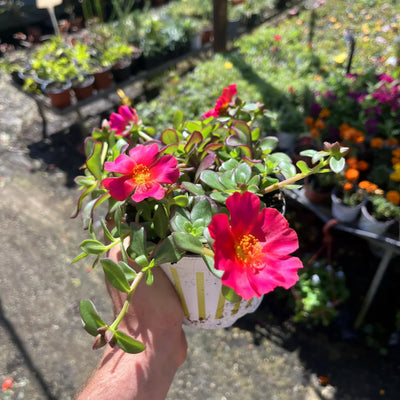 Portulaca (purslane), 12 cm pot diameter (perennial for the garden)
10.50 ₪אזל כרגעלעמוד המוצר
-
 Potting mix, planting soil, fertilizer-enriched
החל מ-22.50 ₪לעמוד המוצר
-
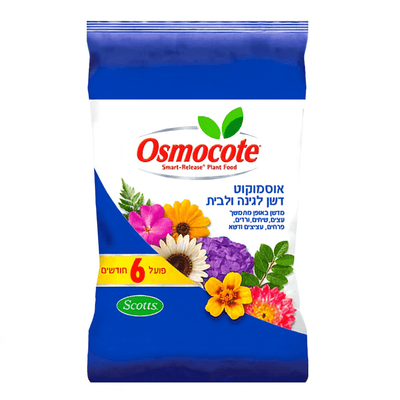 Osmocote fertilizer for garden and home, active for 6 months
החל מ-65.00 ₪לעמוד המוצר
-
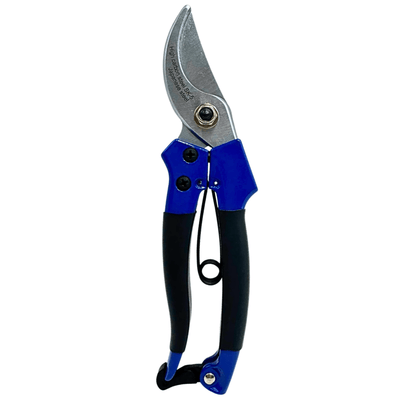 B-4282 manual bypass pruner
49.99 ₪לעמוד המוצר

