🌸 Nemesia | The Complete Growing and Care Guide
 המוצר מהמדריך זמין באתר
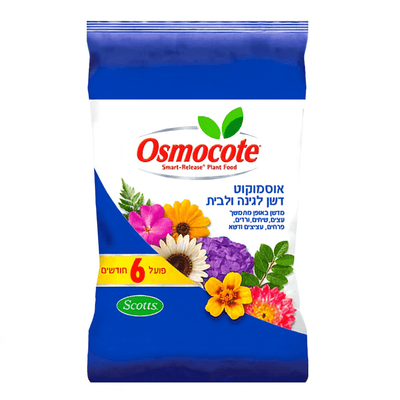
Potting mix, planting soil, fertilizer-enriched
22.50 ₪
📋 Quick Summary - Everything you need to know at a glance
Full sun to partial shade
6-8 hours of direct light a day
Regular, soil always moist
Do not let it dry out completely
Easy-Intermediate
Depends on the timing of planting in the season
Seasonal flower for the cold season
Annual / Short-lived perennial
20-45 cm height
15-40 cm width, fast growth
🌱 Introduction to the plant
Names and Identification
- Hebrew name: Nemesia
- Scientific name: Nemesia (common varieties: Nemesia strumosa, Nemesia caerulea)
- English: Nemesia
- Family: Scrophulariaceae
- Type: Low seasonal flower, sometimes defined as a "sub-shrub"
Origin and Background
Nemesia originates from South Africa, where it grows naturally along sandy coasts and disturbed soils. The genus includes about seventy species, and from it, the popular hybrid varieties marketed today as garden and pot flowers were developed.
Unique Characteristics
- 🌸 Snapdragon-like flowers: Delicate two-lipped structure, in a plethora of colors and shades
- 🌿 Fragrant: Some varieties have a subtle, pleasant scent
- 🪴 Versatile: Excellent for pots, hanging baskets, border beds, and ground cover
- ⚡ Fast growing: With generous and dense flowering
- 🍂 Distinctly seasonal: Blooms in the cold, enters dormancy in the summer heat
- 🐝 Pollinator-friendly: Attracts butterflies and bees to the garden
💚 Why choose Nemesia
🌈 Varieties and Types
The common variety for seasonal seedlings - annual, full sun to partial shade, rich and multi-colored flowering
Short-lived perennial, flowers in blue-purple shades, relatively prolonged flowering
Blends of varieties in mixed shades, usually for growth in pots and hanging baskets
🌤️ Detailed Growing Conditions
☀️ Light
- Full sun to partial shade, about 6-8 hours of direct light a day
- In Israel, during the hot season or in hot areas - it is better to provide partial shade during the noon hours
- A sunny and well-drained location is the basic condition for success
💧 Watering
Regular and consistent watering - the soil needs to stay moist constantly, but not wet and waterlogged. During the initial establishment period, it is recommended to water every day or two, and then move to 2-3 waterings per week depending on the weather.
More frequent watering, sometimes almost daily - but note that in heavy heat, the plant may enter dormancy
2-3 times a week, depending on rain and weather
How to know when to water: Check the top centimeter of the soil with your finger - if it is dry, it is time to water. Avoid watering the leaves - it is better to water at the base of the plant to prevent fungal diseases.
🌡️ Temperature
Nemesia is a distinctly cold-season plant. Ideal daytime temperature: 15-24°C, nighttime temperature: 10-15°C. Tolerable range: minimum about 5°C and maximum about 27-30°C - beyond that, flowering stops and the plant weakens ("heat stress").
⚠️ Frost warning: The plant is sensitive to frost. In mountain and hill areas in Israel (Jerusalem, Golan Heights, Upper Galilee), pay attention to cold winter nights and consider covering young seedlings on the coldest nights.
🌍 Soil
- Light, fertile, and well-drained soil, with the addition of organic matter
- Ideal pH range: 5.5-6.5
- For pot growth: a mixture with about 30% sand/perlite and 20-30% compost is recommended
- The plant is sensitive to waterlogging - heavy or waterlogged soil leads to root rot
🌸 Fertilization
Balanced and water-soluble fertilizer, once every two weeks to once a month
Reduce fertilization or stop if the plant is in seasonal dormancy
A balanced fertilizer, designed for flowering plants, is recommended to support generous and prolonged flowering.
✂️ Pruning and Maintenance
🌱 Propagation
- Sowing timing: It is recommended to sow in late summer / early autumn, at a germination temperature of about 15-18°C.
- Germination: Seedlings usually appear within about 1-2 weeks under the right conditions.
- Planting: Many recommend preferring ready-made nursery seedlings over direct sowing - this ensures earlier and more uniform flowering.
- Cuttings (for perennial varieties like N. caerulea): You can take soft stem cuttings in the spring or early summer, dip in rooting hormone, and root in a well-drained mixture under high humidity.
🔧 Common Problems and Solutions
🍂 Wilting leaves / Flowering stops
Reason: Heat stress - temperatures above about 27-30°C.
Solution: Move to partial shade during the afternoon, ensure consistent watering, and accept that the plant may rest until the heat subsides.
🦠 Root rot
Reason: Excess water or heavy soil that doesn't drain.
Solution: Improve drainage, reduce watering frequency, and let the top layer of soil dry slightly between waterings.
🌫️ Powdery mildew
Reason: High humidity and poor air circulation around the plant.
Solution: Space out the seedlings, water at the base of the plant rather than on the leaves, and ensure sufficient exposure to light.
🌱 The plant becomes "leggy" and produces few flowers
Reason: Lack of sufficient light or neglect of pruning/deadheading.
Solution: Move to a sunnier spot and prune/pinch tips regularly.
🐛 Pests
Common pests in Nemesia: aphids, spider mites, thrips, mealybugs, whiteflies, and slugs/snails in moist soil. Periodic inspection of the leaves and substrate helps catch a problem early.
❓ FAQ
In the autumn (September-November), to enjoy blooming throughout the winter and spring. Nemesia is not a summer plant - in the Israeli heat, it weakens and sometimes enters dormancy.
During establishment - every day or two, then about 2-3 times a week, depending on the weather and by checking the soil dryness with your finger. It is important to keep the soil consistently moist, without letting it dry out completely, but also without overwatering.
This happens mainly with rising temperatures in the summer above about 27-30°C, when the plant enters natural dormancy. Lack of pruning or deadheading can also slow down flowering.
Prune the plant by about half its height after the flowering wave, continue to remove dead flowers, and fertilize regularly - this encourages another wave of flowering.
Absolutely - Nemesia is excellent for pots and hanging baskets thanks to its compact growth form and generous flowering. It is important to ensure good drainage and consistent watering.
📊 Summary Table
| Category | Details |
|---|---|
| ☀️ Light | Full sun to partial shade, 6-8 hours of direct light |
| 💧 Watering | Regular, 2-3 times a week, soil always moist and not waterlogged |
| 🌡️ Temperature | Day 15-24°C, Night 10-15°C; sensitive to frost and heat above about 27-30°C |
| 🌍 Soil | Light, fertile, well-drained, pH 5.5-6.5 |
| 🌸 Fertilization | Balanced fertilizer for flowering plants, once every two weeks to a month in the growing season |
| 📏 Size | 20-45 cm height, 15-40 cm width |
| 📊 Difficulty | Easy-Intermediate, depends on the correct planting season |
| 🍂 Flowering season in Israel | Autumn-Winter-Spring; enters dormancy in the summer heat |
| ✨ Special | Seasonal flower, fragrant in many varieties, excellent for pots and hanging baskets |
🛒 Shop at Deko Garden
🌿 Deco Garden - A love for plants
You are invited to discover more seasonal flowers, plants, and everything you need for your garden and pots - at Deco Garden.
© 2026 Deco Garden - All rights reserved
This guide was written by the Deco Garden expert team
🛒 המוצרים מהמדריך
הצמחים והמוצרים שהמדריך מדבר עליהם — לחיצה על כרטיס מעבירה לעמוד המוצר.