🍋 Lemon Verbena | The Complete Guide to Growing and Care
 המוצר מהמדריך זמין באתר
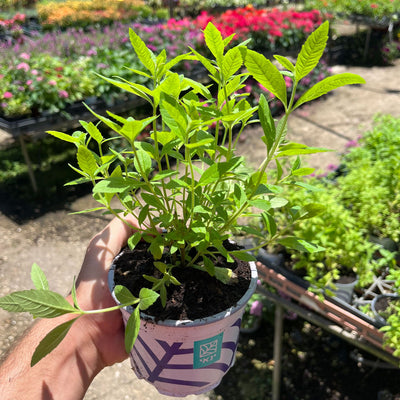
Louisa 12 cm pot (perennial for the garden)
11.50 ₪
📋 Quick Summary - Everything you need to know at a glance
Full sun
At least 6-8 hours a day
Moderate
Reduced significantly in winter
Easy-Moderate
Undemanding once established
Deciduous, aromatic shrub
Loses leaves in winter - this is normal
Approx. 1.5-2.5m height & width
Depends on pruning and location
🌱 Introduction to the plant
Names and Identification
- Hebrew name: Louiza (Lemon verbena)
- Scientific name: Aloysia citrodora (common synonym: Aloysia triphylla, formerly Lippia citriodora)
- English: Lemon Verbena
- Family: Verbenaceae
- Type: Deciduous shrub/herb, perennial, aromatic
Origin and Background
Lemon verbena originates from South America (Argentina, Chile, and Peru). It was brought to Europe primarily for the intense lemon scent of its leaves. It has become a popular culinary herb and tea plant worldwide, including in Israel, where it is commonly used to make infusions/tea, sometimes combined with lemongrass.
Unique Characteristics
- 🍋 Intense, clear lemon scent - one of the strongest among scented plants, noticeable with a light touch to the leaf
- 🍂 Deciduous - loses all its leaves in winter and wakes up again in spring
- ☕ Leaves for tea and cooking - harvested fresh or dried
- 🌸 Summer bloom - small, fragrant white-purplish flowers
- 🌱 Easily propagated from cuttings
- 💪 Heat and drought tolerant once established
⚠️ Don't get confused: Lemon Verbena (Aloysia) vs. Garden "Verbena" (Verbena)
Lemon verbena (Aloysia citrodora) is sometimes confused with garden "Verbena" (Verbena/Glandularia), a low-growing ornamental plant that blooms in many colors. While both plants belong to the same botanical family (Verbenaceae), they are two completely different genera. Garden Verbena lacks the characteristic lemon scent of the Louiza and is grown primarily for its ornamental flowers rather than its leaves. If you are looking for the tea plant with the lemon scent - that is Lemon Verbena (Aloysia citrodora), not "Verbena".
💚 Why choose Lemon Verbena
🌤️ Detailed Growing Conditions
☀️ Light
- Full sun throughout most of the day - most important for this plant
- Recommended at least 6-8 hours of direct sun daily
- In partial shade, the plant will survive, but growth will be weaker and the scent in the leaves will diminish
💧 Watering
Water when the soil is dry 2-3 cm deep; in a pot, about 2-3 times a week during summer heat
Reduce significantly - during the dormancy/deciduous phase, the soil can dry out almost completely between waterings
How to tell: Check with a finger in the soil 2-3 cm deep. Overwatering and poor drainage are the real risks - they cause root rot. It is better to water too little than too much.
🌡️ Temperature
Comfort range for the plant: about 18-28°C, but it tolerates a wider range from about 5°C to 35°C. Around 0°C, leaves are damaged and fall off, while the woody stems of a mature, established plant are resistant to much stronger cold - down to about -10°C.
⚠️ Frost Warning: Young seedlings and potted Lemon Verbena are much more sensitive to frost than a mature, well-rooted plant in the ground. In hills and cold valleys, it is recommended to protect young plants during their first winter (cover, sheltered location, or moving the pot indoors) until they are established.
🌍 Soil
- Poor-to-medium soil, light, rich in organic matter, with excellent drainage - this is most critical
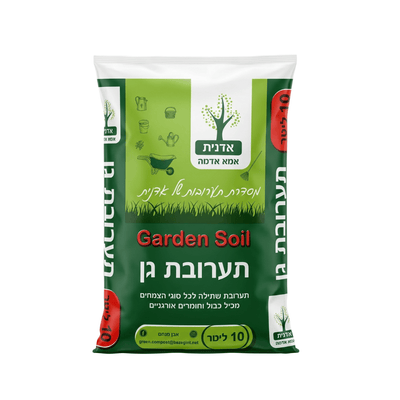
- Recommended mix for a pot: garden soil or compost + perlite or coarse sand for drainage
- Recommended pH range: about 6.0 to 7.5
- Drainage holes at the bottom of the pot are mandatory - standing water causes root rot
🌸 Fertilization
Can be fertilized during active growing season with a balanced, moderate fertilizer at a diluted dose to encourage dense foliage
Stop fertilizing towards and throughout the entire dormancy/leaf-shedding period
Lemon verbena is not demanding and does not need heavy fertilization - moderate organic fertilization (compost or diluted liquid fertilizer) is preferable to intensive fertilization.
✂️ Pruning and Maintenance
- Prune in late winter/early spring, just before the plant begins to wake up and grow new leaves - after the main risk of frost has passed
- This pruning shapes the shrub, opens it up to air and light, and encourages new, dense growth and fresh leaves for harvesting
- You can also "pinch" branch tips during the summer - this keeps it compact, delays flowering, and concentrates the flavor and scent in the leaves
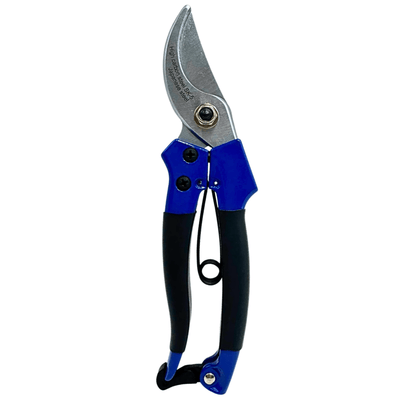
- It is recommended to regularly remove dry branches throughout the season and open the plant's canopy for ventilation
🌿 Propagation
The most common and reliable way to propagate Lemon Verbena is via softwood cuttings. Propagation from seeds is also possible, but less common and slower.
- Take a cutting from the tip of a healthy branch, from the soft and young part (not woody)
- Remove the lower leaves and leave only a few leaves at the very top
- Plant the base of the cutting in a well-drained medium (e.g., sand/perlite)
- Keep slightly moist (not wet) in a bright location but without strong direct sun, until rooted
- Once a good root system has developed, it can be transferred to a permanent pot or to the garden
🔧 Common Problems and Solutions
🍂 All leaves fell off in autumn/winter
Reason: Natural behavior - the plant is deciduous and reacts to the cold and shortening days.
Solution: No need to act - this is not a disease. Reduce watering and wait for spring; the plant will regenerate from the stems.
💧 Yellow leaves or soft stems
Reason: Overwatering or poor drainage, leading to root rot.
Solution: Reduce watering, ensure good drainage, and let the soil dry out between waterings.
🌱 Weak growth and faint scent
Reason: Insufficient light.
Solution: Move to a sunnier location - this is the most influential factor on the intensity of the scent.
❄️ Black or damaged leaves after cold
Reason: Frost damage.
Solution: Prune the damaged parts in late winter - the plant usually recovers and grows back from the stems.
🐛 Pests
Lemon Verbena is considered a relatively resistant plant without serious pest or disease problems, but occasionally aphids, whitefly, mealybugs, spider mites, and scale may appear. Common treatment: potassium soap spray or neem oil.
☕ Uses for Lemon Verbena
In traditional (non-medical) use, lemon verbena infusion is also commonly used for digestive comfort - this is traditional information only and is not a substitute for medical advice.
❓ Frequently Asked Questions
Yes, completely normal. Lemon Verbena is a deciduous plant - it loses all its leaves and looks "naked" or "dead" in winter, but this is natural behavior and not a disease. Do not throw away the pot! The stems are alive, and once the heat returns in spring, it will grow new foliage.
In summer - when the soil dries out 2-3 cm deep. In winter - almost never, reduce drastically until very rare watering during the dormancy period. The real risk is overwatering, not drought.
Mature stems tolerate significant cold, but leaves are damaged as early as 0°C. Young seedlings are particularly sensitive - in mountain areas and cold valleys, it is recommended to protect them (covering, moving the pot to a sheltered location) during their first winter until established.
You can pick mature leaves throughout most of the active season without harming the new growth. Flavor and scent are more concentrated in the leaves before flowering, so pruning or pinching tips that delay flowering also improve the quality of the harvest.
In late winter/early spring, before new growth begins - this shapes the shrub and encourages dense, fresh foliage. You can also lightly prune or pinch during the summer.
📊 Summary Table
| Category | Details |
|---|---|
| ☀️ Light | Full sun, at least 6-8 hours a day |
| 💧 Watering | Moderate in summer, very reduced in winter - better too little than too much |
| 🌡️ Temperature | Comfortable at 18-28°, tolerates 5-35°; leaves damaged around 0°, mature stems resistant down to ~-10° |
| 🌍 Soil | Poor-to-medium, light, well-drained, pH ~6.0-7.5 |
| 🌸 Fertilization | Moderate in spring-summer, no fertilization in autumn-winter |
| 📏 Size | ~1.5-2.5m height and width, depends on pruning |
| 📊 Difficulty Level | Easy-moderate - main challenge is drainage and remembering that winter leaf-shedding is normal |
| ✨ Special | Deciduous shrub - loses all leaves in winter and wakes up again in spring |
🛒 Shop Deco Garden
🌿 Deco Garden - A Love for Plants
Lemon verbena is an easy-to-grow plant that gives so much - a refreshing lemon scent, fresh homemade tea, and blossoms that attract butterflies to the garden. Give it sun, good drainage, and don't be alarmed when it "disappears" in the winter - it will come back.
© 2026 Deco Garden - All rights reserved
This guide was written by the Deco Garden team of experts
🛒 המוצרים מהמדריך
הצמחים והמוצרים שהמדריך מדבר עליהם — לחיצה על כרטיס מעבירה לעמוד המוצר.