🌹 Rose | The Complete Guide to Growing and Care
 המוצר מהמדריך זמין באתר
Potting mix, planting soil, fertilizer-enriched
22.50 ₪
The rose is the king of the garden. This flowering shrub provides you with bouquets of fragrant flowers throughout most of the year, and it is also pet-friendly — the rose is safe for cats and dogs. In this guide, you will find everything you need to grow a healthy, flourishing rose in an Israeli garden: sun, deep watering, fertilization, winter pruning for continued blooming, and dealing with the aphids and fungal diseases common here. The demonstration is based on the popular white cultivar 'Iceberg' from the floribunda family.
📋 Quick Summary - Everything you need to know at a glance
Full sun
At least 6 hours a day
Deep and regular
Directly to the roots, not on the leaves
Moderate
Easy with a proper routine
Deciduous flowering shrub
Floribunda
90-150 cm
Width 60-90 cm
🌱 Getting to know the plant
Names and Identification
- Hebrew name: Vered (Garden Rose)
- Scientific name: Rosa (Our variety: Rosa 'Iceberg')
- English: Rose / Floribunda 'Iceberg'
- Family: Rosaceae
- Type: Deciduous flowering shrub, Floribunda (clusters of flowers)
Origin and Background
The rose genus includes hundreds of species originating in the Northern Hemisphere, and their cultivation has been going on for thousands of years. The 'Iceberg' variety was bred in Germany in 1958 and has become one of the most beloved white roses in the world — a sturdy, profusely blooming shrub, relatively resistant to diseases, which is perfectly suited for the Israeli garden and for growing in a large pot.
Unique Characteristics
- 🌸 Repeat bloomer — clusters of delicate double white flowers, sometimes with a subtle pink tint, throughout most of the growing season.
- 🌿 Fragrant and pollinator-friendly — the flowers are fragrant and attract butterflies and bees.
- 💪 Relatively good resistance — 'Iceberg' is known for being relatively resistant to black spot and rust compared to other roses.
- 🌡️ Suited for our climate — deciduous, loves the sun, and holds up in the Israeli summer under correct watering conditions.
- 🌵 Watch out for thorns — the stems carry thorns; work with gloves.
⚠️ Beware of naming confusion
Only a plant whose scientific name includes the word Rosa is a true rose and safe for pets.
- Rose of Sharon / Hibiscus syriacus — not a true rose.
- Rose of Jericho, Primrose, and others — completely different families.
The rose we sell is Rosa — a true, safe rose.
💚 Why choose a rose
Blooms again and again throughout most of the year
Friendly to cats and dogs according to the ASPCA
Thrives in the Mediterranean sun
Butterflies and bees love it
Suitable for ground or a large pot on the balcony
The white 'Iceberg' blends into any garden
🌼 Rose varieties and types
The rose category is vast and diverse. These are the main groups you will encounter in the garden:
Bloom in abundance in clusters of small flowers. Our white 'Iceberg' belongs to this group — rich and continuous blooming.
A single large flower on a long stem — the classic rose for cutting and bouquets.
Long branches that can be trained on a fence, pergola, or arch at the entrance.
Sturdy and disease-resistant shrubs, excellent for low-maintenance patches of color in the garden.
At Deco Garden, we grow the white 'Iceberg' — a sturdy and profusely blooming floribunda, the safe choice for the Israeli garden.
🌤️ Detailed growing conditions
☀️ Light
- Full sun — at least 6 hours a day. This is the most important condition for healthy flowering and disease resistance.
- Preference for morning sun — it dries the dew from the leaves and reduces fungal diseases.
- In the extreme Israeli summer (35+ degrees), light shade during the hottest afternoon hours can prevent leaf burn.
💧 Watering
The golden rule: water deep, less frequently, and always directly to the soil — not on the leaves. Wet leaves invite black spot and powdery mildew. Water in the morning so the foliage has time to dry.
Deep watering about 2 times a week; in heavy heatwaves even more. A pot dries out quickly — check daily.
Reduce significantly — usually rain is enough. Water only when the soil is dry to the touch.
How to know? Stick a finger 5-7 cm into the soil — dry = water. Deep watering develops strong roots; frequent surface wetting weakens the shrub.
🌡️ Temperature and climate
The rose loves a temperate climate and thrives in most of the country. In the hot summer (35+ degrees), blooming may slow down temporarily and leaves are sensitive to burns — help it with deep watering, mulching, and light shade in the afternoon.
🥶 Winter: The rose is deciduous and hardy — it sheds its leaves and enters dormancy, and this is the exact season for pruning. Light frost in the mountains and valleys usually does not harm a mature shrub.
🌍 Soil and air circulation
- Well-drained soil, moist but not soggy, slightly acidic to neutral. Standing water rots roots.
- Rich in organic matter — add compost or aged manure during planting.
- Mulch around the base keeps moisture, cools the roots in summer, and suppresses weeds.
- Spacing and good air circulation between shrubs — critical for preventing fungal diseases in our humid climate.
🌿 Fertilization
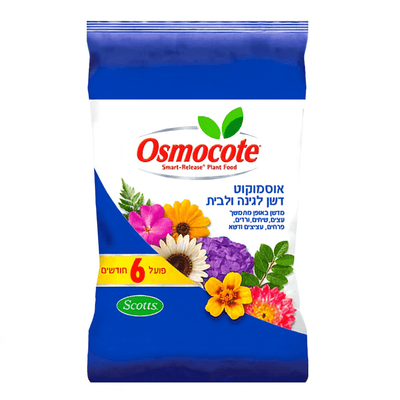
A rose that blooms a lot — needs a lot. Regular fertilization during the growing season is the secret to rich blooming.
Fertilize every month to two months with rose fertilizer or organic fertilizer. Stop during the most extreme heatwaves.
Stop fertilizing. The plant is in dormancy and does not need feeding until the beginning of spring.
💡 Tip: Prefer organic fertilizer or slow-release fertilizer. Excess available nitrogen pushes soft growth that attracts aphids — less wild nitrogen = fewer pests.
✂️ Pruning and maintenance — the secret to repeat blooming
Winter pruning (the main pruning)
- When: Late winter / early spring — in Israel, roughly late January to early February, before budding.
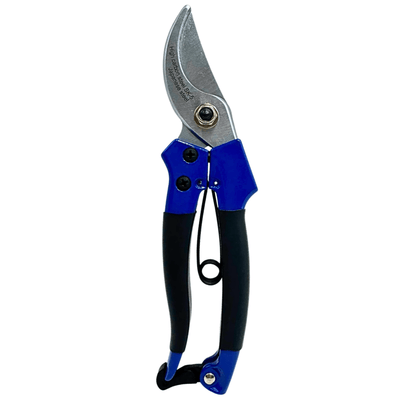
- How: Remove dead, damaged, or weak branches; shorten the remaining branches by one-third to half.
- Cut above a bud facing outward, and leave 3-5 strong main branches in an open and airy structure.
Deadheading
- Throughout the season — pluck faded flowers to encourage a new wave of blooming and maintain a tidy appearance.
- This is the simple action that most improves the amount of blooms in a floribunda rose like 'Iceberg'.
🧤 Always work with pruning gloves — the thorns scratch. Sanitize your shears between bushes so as not to transfer diseases.
🌱 Rose propagation
The common home method is cuttings (rooting a branch). A good time for this — late spring or fall, from healthy stems of the season.
- Cut a 15-20 cm long cutting from a healthy stem, below a leaf node.
- Remove the lower leaves and leave 2-3 top leaves.
- Stick the cutting in light, drained, and moist soil (works well with rooting hormone).
- Maintain constant moisture, indirect light, and shelter from strong sun until roots form.
- When new growth appears — it's a sign of rooting. Grow in a pot until established and then move to the garden.
Note: many commercial rose varieties (including 'Iceberg') are grafted onto a rootstock — home cutting is possible but success rates vary and the shrub will be on its own roots.
🔧 Common problems and solutions
⚫ Black Spot
Symptom: Black spots on the leaves, which yellow and fall off.
Cause: Fungal disease that spreads in humidity and wet leaves.
Solution: Water directly to the soil, good ventilation, collecting infected leaves, and preventative spraying (e.g., copper preparation).
⚪ Powdery Mildew
Symptom: White powder on leaves, buds, and stems; deformed leaves.
Cause: High humidity with poor air circulation.
Solution: Increase spacing between shrubs, prune to open the structure, and apply preventative spray at the first signs.
🟠 Rust
Symptom: Orange-rusty powdery spots on the underside of the leaf.
Cause: Fungus in humid conditions.
Solution: Remove infected leaves, improve ventilation. 'Iceberg' is relatively resistant to rust.
🍃 Yellowing leaves / poor bloom
Symptom: Sparse shrub, few flowers, pale leaves.
Cause: Too little sun, lack of fertilization, or incorrect watering.
Solution: Ensure 6+ hours of sun, fertilize in season, keep up with deep watering and deadheading.
🐛 Common pests in Israel
- Aphids: Rose pest number 1 — gathers on buds and soft growth. Treat with a strong jet of water, neem oil, or soap solution; balanced fertilization (not excess nitrogen) reduces outbreaks.
- Thrips: Damage flowers and stain them; keep the plant healthy and spray when necessary.
- Spider mites: Appear in heat and dryness — fine webs and stippling on the leaves. Increase environmental humidity and treat with neem oil.
- Scale insects: Brown bumps on stems — remove manually or treat with oil.
❓ FAQ
At least 6 hours of direct sunlight a day, preferably morning sun. Without enough sun, flowering will be poor and the plant will be more susceptible to diseases.
Deep watering about twice a week in the summer, and even more during heatwaves — always directly onto the soil and not the leaves, preferably in the morning. Check potted plants more frequently as they dry out faster.
The main pruning is at the end of winter, around late January to early February, before budding — shorten by about a third and leave 3-5 main branches. Throughout the season, remove faded flowers to encourage repeat blooming.
This is a fungal "black spot" disease, common in Mediterranean humidity. Water directly onto the soil (not the leaves), maintain good ventilation, collect infected leaves, and use preventive spraying.
Absolutely. Choose a large, well-drained pot (our variety comes in 10 liters), place it in a sunny spot, water deeply and regularly, and fertilize during the growing season. A pot dries out faster than the ground — keep an eye on moisture levels.
📊 Summary Table
| Category | Details |
|---|---|
| ☀️ Light | Full sun, at least 6 hours a day (preferably morning) |
| 💧 Watering | Deep and regular, directly to the soil; summer ~twice a week, less in winter |
| 🌡️ Temperature | Temperate climate; deciduous and hardy in winter; light shade on summer afternoons |
| 🌍 Soil | Well-drained, rich in organic matter, slightly acidic; mulch at the base |
| 🌿 Fertilization | Every 1-2 months in spring-summer; stop in autumn-winter |
| ✂️ Pruning | Main pruning in late January-February; remove faded flowers throughout the season |
| 📏 Size | About 90-150 cm tall, 60-90 cm wide |
| 🌸 Flowering | Fragrant double white flowers; repeat flowering most of the season |
| 📊 Difficulty Level | Moderate — easy with a routine of sun, watering, fertilization, and pruning |
| ⭐ Special | Attracts butterflies and bees; Iceberg is relatively disease-resistant |
🛒 Shop at Deco Garden
Want a healthy and indulgent rose in your garden? Here's what we'll need:
🌿 Deco Garden - Love for plants
Do you have a question about your rose? Our expert team is here for you — we would be happy to help you grow a blooming and healthy garden.
📧 info@decogarden.co.il
© 2026 Deco Garden - All rights reserved
The guide was written by the Deco Garden expert team
🛒 המוצרים מהמדריך
הצמחים והמוצרים שהמדריך מדבר עליהם — לחיצה על כרטיס מעבירה לעמוד המוצר.