🌴 Lady Palm | The Complete Growing and Care Guide
 המוצר מהמדריך זמין באתר
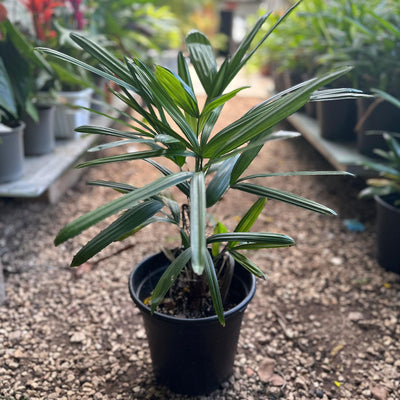
Rhapis palm, perennial for garden and home, full shade
130.00 ₪
The Lady Palm (Rhapis excelsa) is one of the most beautiful and easy-to-grow palms for homes and shaded balconies in Israel. It is highly tolerant of low light and deep shade, requires almost no maintenance, is very long-lived, and is cat and dog friendly. In this guide, you will find everything you need to grow it successfully for many years.
📋 Quick Summary - Everything you need to know at a glance
Full shade to indirect light
No direct, harsh sunlight
Moderate and consistent
Allow the top layer to dry slightly
Very easy
Perfect for beginners
Clumping fan palm
Arecaceae family
1-2 meters in a pot
Slow growing
Friendly
Safe for cats and dogs (ASPCA)
🌱 About the Plant
Names and Identification
- Hebrew Name: Dekel Rhapis
- Scientific Name: Rhapis excelsa
- English: Lady Palm / Broadleaf Lady Palm
- Family: Arecaceae
- Type: Evergreen, clumping fan palm
Origin and Background
The Lady Palm originates from the forests of Southern China and Vietnam, where it grows in the shaded understory beneath tall trees. It has adapted perfectly to indoor life: it is used to low light and shade, making it thrive even in corners where other plants struggle. It is a long-standing, respected plant that has graced homes and offices for decades.
Unique Characteristics
- 🌴 Fan-like leaves - Palmately divided into finger-like segments, in a deep, glossy dark green.
- 🎋 Bamboo-like stems - Thin, upright canes wrapped in fibers, resembling a small bamboo grove.
- 🐾 Pet safe - Friendly to cats and dogs according to the ASPCA.
- 🌑 Shade champion - One of the few palms that tolerates very low light and full shade.
- ⏳ Long-lived - Slow growing, requires almost no maintenance, and lasts many years.
- 🏢 Elegant and clean - A tidy, lush appearance that fits any decor style.
⚠️ Don't be confused - Lady Palm vs. "Bamboo Palm"
Because of its thin, bamboo-like canes, the Rhapis is sometimes called a "Bamboo Palm." However, that name technically belongs to a completely different palm - Chamaedorea seifrizii. Both palms love shade and are suitable for indoors, but the Rhapis has broad, rigid leaves divided into thick, fan-like "fingers," while the Chamaedorea has softer, feathery leaves. It is also easy to confuse with the Kentia palm; remember that the Rhapis is shorter, clumps into a group of canes, and has fan-shaped rather than feathery leaves.
💚 Why choose the Lady Palm?
Solves the dark corner problem where no other plant survived
Safe to keep at home with a cat or dog without worry
Requires infrequent watering and can tolerate mild drought
Grows slowly and will accompany you for many years
Excellent in the living room and outdoors in deep shade in Israel's climate
Adds a green, tropical touch to any space, effortlessly
🍃 Varieties and common forms
In nature and nurseries, you will mainly encounter the classic green variety, but there are several forms and closely related species:
The most common - dark, glossy green leaves; the strongest and most resilient of all
Leaves with white-cream stripes; rare and sought-after; grows even slower
Low and compact forms, excellent for desk pots and small spaces
A closely related species, taller and more slender with elegant, drooping leaves
🌤️ Detailed growth conditions
☀️ Light
- Best in bright, indirect light, but this is one of the only palms that also tolerates full shade and very low light - less than two hours of direct sunlight a day.
- Excellent near an east- or north-facing window, or deep in the room. A relatively dark corner? That's exactly its place.
- ⚠️ Avoid direct, harsh sunlight - the Israeli summer sun burns the leaves and leaves brown spots.
- Outdoors in Israel: Always place in full shade (under a pergola, tree, or northern wall), never in the midday sun.
💧 Watering
Rhapis likes uniform and moderate moisture. Water when the top layer of soil (about 2-3 cm) has dried slightly - don't let the root ball dry out completely, but above all, do not leave it wet and soggy. Excess water is the #1 cause of failure.
Regular watering, about every 5-7 days; keep it lightly and consistently moist
Reduce significantly - every 10-14 days, only when the soil is almost dry
💡 How do you know when it's time? Stick a finger 2-3 cm into the soil. Dry? Water. Still moist? Wait. Always ensure good drainage and empty the saucer - roots should not sit in water.
🚰 Sensitive to fluoride and salts: Like many palms, Rhapis is sensitive to fluoride, chlorine, and salts that accumulate from tap water - they cause brown leaf tips ("tip burn"). If your water is hard, it is best to water with filtered water, rainwater, or water that has sat out overnight.
🌡️ Temperature
Feels best in a comfortable range of 18-24°C - exactly standard indoor room temperature. Resistant to Israeli heat as long as it is in the shade and watered. Classified for USDA hardiness zones 9-11.
🥶 Frost warning: Rhapis is relatively cold-hardy and can survive short dips down to around -7°C, but for safety, it is recommended not to expose it to temperatures below 5°C for long periods. In mountains and valleys in Israel where frost occurs on winter nights, it is better to bring it inside or cover it. In the center and lowlands, it usually survives winter outdoors in the shade without any problem.
💦 Humidity
Gets along fine with standard home humidity and requires no special care - a huge advantage over more demanding palms. However, it appreciates higher humidity: in very dry air, especially near an AC or heater in winter, leaf tips might brown slightly. Light misting, placing it near other plants, or a damp pebble tray will help.
🌍 Soil
- Well-draining - the first rule. Heavy soil that holds water = root rot.
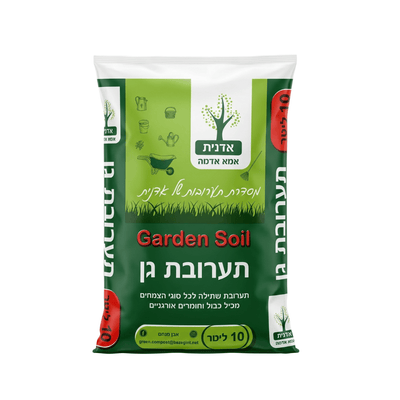
- Rich and aerated mix: high-quality potting soil with perlite and a little compost or bark.
- Prefers slightly acidic to neutral soil (pH below 6).
- Likes to be "tight" in the pot - repot only once every few years, when the roots are really crowded.
🌾 Fertilization
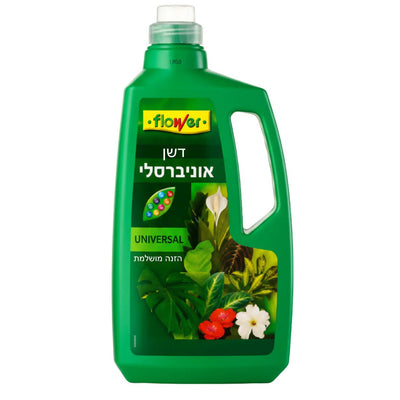
Rhapis is a "light feeder" - it doesn't need much fertilizer, but moderate feeding in the warm season will strengthen it and accelerate its slow growth.
Diluted balanced liquid fertilizer, about once every two weeks to a month
Stop fertilizing completely - the plant is resting and almost not growing
💡 Tip: It's better to fertilize with too weak a dose than one that's too strong. Excess fertilizer, like excess salts, burns leaf tips.
✂️ Pruning and Maintenance
- 🍂 Removing old leaves: Prune leaves that have yellowed or dried completely, close to the base of the cane, with a clean knife or pruners.
- ✂️ Brown tips: You can gently trim only the brown tip along the edge of the leaf, without damaging the green part - and of course, correct the cause (hard water/dry air).
- 🧽 Leaf cleaning: Wipe dust from leaves with a damp cloth every once in a while - this keeps them shiny and allows them to "breathe."
- 🪴 Repotting: Only once every 2-3 years; it likes to be crowded in its roots and doesn't like being disturbed.
🌿 Propagation
The easiest and most successful way to propagate Rhapis at home is by clump division - the plant naturally clumps into a group of canes, and you can split it. Propagation from seeds is possible but very slow and less practical.
Clump division - step by step:
- Remove the plant from the pot gently and shake off some soil to see the roots and canes.
- Identify a group of canes with its own roots that can be separated from the main clump.
- Separate gently by hand, or cut with a clean, sharp knife - it's important that each part has its own healthy roots.
- Plant each part in a separate pot with well-draining mix, water well, and place in the shade.
- Maintain light moisture and a protected spot; adaptation and growth are slow - patience is key.
⏳ The best time for division is in the spring, at the beginning of the growing season.
🔧 Common problems and solutions
🍂 Brown leaf tips
Cause: Dry air, hard water rich in fluoride/salts, or excess fertilizer.
Solution: Water with filtered/rain water, increase humidity, and fertilize with a weak dose. You can gently trim the brown tip.
🟡 Yellowing leaves / rot
Cause: Overwatering and soggy soil - the most common problem.
Solution: Stop watering until the soil dries, ensure drainage, and empty the saucer. In severe cases - repot into airy soil and check the roots.
🌫️ Pale / weak leaves
Cause: Although it tolerates shade, too little light over time weakens it.
Solution: Move to a spot with more indirect light (no direct sun).
☀️ Brown scorched spots
Cause: Exposure to overly strong direct sunlight.
Solution: Move away from a southern/western window and into shade or filtered light.
🐛 Pests
Rhapis is relatively resistant, but it's worth keeping an eye out for these pests, especially in dry air:
Brown bumps on the canes and leaves; wipe off with alcohol or vegetable oil
White "cotton" in leaf axils; spot-treat with alcohol or oil
Appear in dry air; increase humidity and rinse the leaves
Cause silvery spots; clean and treat with vegetable oil
❓ Frequently Asked Questions
In summer, about once every 5-7 days, and in winter once every 10-14 days. The rule: water when the top layer (2-3 cm) has dried out slightly, and never leave the soil soaked in water.
Yes, and that is exactly its great advantage. The Rhapis is one of the few palms that tolerates full shade and very low light, making it perfect for corners in the house where other plants don't survive.
Common reasons are air that is too dry, hard water rich in fluoride and salts, or excess fertilizer. Solution: water with filtered water or rainwater, increase humidity, and fertilize at a weak dosage.
Yes, as long as it is placed in full shade (not in strong direct sunlight). In the central region and the coastal plain, it usually survives the winter outdoors; in the mountains and valleys with night frost, it is recommended to bring it inside or protect it during the winter.
In a pot indoors, it usually reaches a height of 1-2 meters. Its growth is very slow - this is part of its beauty: it stays tidy, doesn't "run" upwards, and will accompany you for many years.
📊 Summary Table
| Category | Details |
|---|---|
| ☀️ Light | Bright indirect light to full shade; no strong direct sunlight |
| 💧 Watering | Moderate and consistent; allow the top layer to dry slightly; reduce in winter |
| 🌡️ Temperature | 18-24°C ideal; protect below 5°C (resistant for short periods down to -7°C) |
| 💦 Humidity | Normal household humidity is sufficient; appreciates higher humidity |
| 🌍 Soil | Drained, airy, and slightly acidic; mix with perlite |
| 🌾 Fertilizer | Balanced fertilizer diluted once every two weeks to a month in spring-summer; not in winter |
| 📏 Size | 1-2m in a pot; slow growth; branches into a cluster of canes |
| 📊 Difficulty Level | Very easy - suitable for beginners |
| ⭐ Special | Shade champion; long-lasting; elegant and safe for homes with pets |
🛒 Shop at Deco Garden
Want a Rhapis palm of your own? Here is what we recommend you start with:
🌿 Deco Garden - A Love for Plants
The Rhapis palm is living proof that tropical beauty doesn't have to be complicated. Give it a shaded corner, moderate watering, and a little patience - and it will accompany you, and your pets, for many years of lush greenery.
📞 Have a question about the plant? The Deco Garden team is here for you - we'll be happy to help you choose and grow properly.
© 2026 Deco Garden - All rights reserved
This guide was written by the expert team at Deco Garden
🛒 המוצרים מהמדריך
הצמחים והמוצרים שהמדריך מדבר עליהם — לחיצה על כרטיס מעבירה לעמוד המוצר.