🍇 Grapevine | The complete guide to growing and care
 המוצר מהמדריך זמין באתר
Potting mix, planting soil, fertilizer-enriched
22.50 ₪
📋 Quick Summary - Everything you need to know at a glance
Full sun
Most of the day, in an open and exposed location
Deep and infrequent
Almost none in winter
Moderate
Easy to grow, but requires regular annual pruning
Deciduous climber
Has climbing tendrils, edible fruit
Approx. 4.5-6 m in a garden
Up to approx. 12 m long without pruning
🌱 Getting to Know the Plant
Names and Identification
- Hebrew Name: Gefen (Our variety: Isabella grape)
- Scientific Name: Vitis labrusca 'Isabella'
- English: Grapevine, Isabella grape, Fox grape
- Family: Vitaceae
- Type: Deciduous climber, develops year after year from a thickening trunk
Origin and Background
The grapevine is one of the oldest cultivated plants in the world. The home of the cultivated vine is in Western Asia reaching India, from where it spread to the Middle East and Europe. The vine is one of the Seven Species of the Land of Israel and holds deep cultural and religious significance. The Isabella variety belongs to the "American grapes" group (Vitis labrusca) – a group known for rich and unique flavors and aromas ("foxy", a distinct, sweet "musky" taste), skin that peels off easily from the flesh, and relatively good resistance to fungal diseases compared to European wine varieties (Vitis vinifera).
Unique Characteristics
- 💪 Climbing Tendrils: Modified branches that act as "fingers" grasping onto any support along the way
- 🍇 Grape Clusters: Intense and sweet flavor, skin peels off easily from the flesh
- 🍂 Seasonal Foliage: Large, wide leaves that turn beautiful shades before falling
- 🌳 Twisting Trunk: Thickens and twists over the years – a dramatic, interesting look even in winter when the leaves fall
- ☂️ Seasonal Shading: Dense foliage that provides shade in the summer and sheds in the winter, allowing sunlight to pass through
🌟 Why Choose a Grapevine
Homemade grape clusters every summer
Dense shade in summer, unobstructed sun in winter
An integral part of the traditional Israeli garden
Has grown in Israel for thousands of years
Relatively tolerant of drought compared to other plants
Twisting trunk, autumn foliage, flowers, and fruit
🍇 Varieties and Types in the Grape World
There are hundreds of grape varieties in the world, divided into two main families: European grapes (Vitis vinifera - classic wine and table varieties) and American grapes (Vitis labrusca) - to which our Isabella variety belongs.
Vitis labrusca - distinct sweet, musky flavor, peeling skin, good disease resistance, classic pergola plant for shade and fruit
Vitis vinifera - Cabernet Sauvignon, Merlot, Chardonnay - grown mainly in commercial vineyards
Crimson (seedless), Thompson (seedless and very sweet), Autumn Royale (black and disease-resistant)
🌤️ Detailed Growing Conditions
☀️ Light
- The grapevine needs full sun - most or all hours of the day
- A location protected from wind but open and exposed to the sun is ideal - a south or south-west facing wall or pergola is especially recommended
- The more sun, the sweeter the grapes
- Avoid constant partial shade - it harms the quantity and taste of the fruit, even if the plant itself survives
💧 Watering
Deep and thorough watering, allowing the soil to dry slightly between waterings. For a young, bearing grapevine, it is common to water about 5 liters a day, increasing up to about 20 liters a day at the height of the heat (according to Israeli nurseries)
A mature grapevine rooted in open ground barely needs additional watering in winter - rain is usually sufficient
How to tell: Check the soil with your finger a few centimeters deep - if it's dry, it's time to water. Avoid prolonged, extreme dryness in summer - it is one of the factors that encourages the development of powdery mildew.
🌡️ Temperature
The grapevine is a deciduous plant that goes through full winter dormancy, so it tolerates winter cold relatively well – including light frost. To properly break dormancy and flower well, it actually needs a certain period of cold in winter. Note: The real danger is late spring frost, after the buds have already opened – it can severely damage new growth. Avoid planting in "frost pockets" in low ground, and in particularly cold areas, protect young buds during late frost.
🌍 Soil
- Well-draining soil is a mandatory condition - the grapevine does not tolerate waterlogged soil
- Recommended pH range - approx. 5.5 to 7, depending on the variety
- Silty-clay soil rich in organic matter is considered ideal, but the grapevine adapts well to regular garden soils as well
- Soil that is too heavy might encourage excessive foliage growth at the expense of fruit and delay ripening
🌸 Fertilization
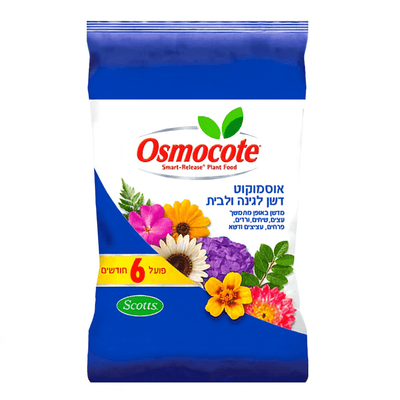
In early spring - balanced general fertilizer. From the start of flowering until the grapes begin to ripen - fertilizer rich in potassium (like fertilizer for tomatoes) every two weeks to support the development and quality of the fruit
Stop fertilizing towards autumn, as the plant enters dormancy. No fertilization is needed while the leaves are falling and the plant is dormant
✂️ Pruning - The most important part of cultivating a grapevine
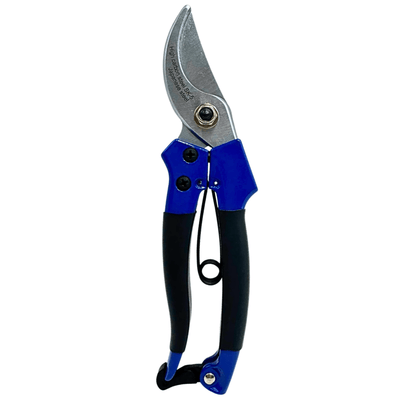
Winter pruning is not optional - it is the primary condition for a good harvest. A grapevine that is not pruned correctly produces too many small, poor-quality fruits, "exhausts" itself, and hurts the following year's yield. Proper pruning concentrates the plant's energy into fewer clusters - but they will be larger, sweeter, and of higher quality.
Vine Structure - To understand why we prune
- Trunk: The permanent part, thickens year after year
- Cordons: The permanent branches that emerge from the trunk and build the framework
- Canes: The new brown branches that grew in the past year - the fruit will appear on these next year
The Two Basic Pruning Methods (Simplified)
- 🌿 Cane pruning: Leave several long, healthy canes (in a home garden - about 4-8 canes directed in the desired direction) and shorten each to about 10-14 eyes (buds) - from which the fruit-bearing branches will grow
- 🌱 Spur pruning: Leave permanent arms along a wire/support, and every cane on them is shortened very short - to only about 2-3 eyes ("spur"). This is the common method for growing on a low wire fence
When to Prune
Prune during the full dormancy season - in winter, before the buds begin to wake up. In Israel, the accepted timing is around Tu B'Shvat (January-February). Important: Do not prune after growth has already begun - the vine "bleeds" (secretes large amounts of fluid from the pruning wounds) and loses vitality.
If your goal is primarily shade and not a large fruit harvest, you can settle for more moderate pruning that simply maintains and guides the shape.
Strong Support - Mandatory
A grapevine is a heavy climber - the ripe clusters and dense foliage weigh a lot. A pergola, a tensioned wire fence, or a strong and stable support structure is essential from the first planting - the vine will attach and develop according to the support you provide, and it is very difficult to fix a weak support structure after the vine has already grown.
🌿 Propagation
The most common and easiest way to propagate a grapevine is through hardwood cuttings, taken right during winter pruning:
- During winter pruning (late winter), choose healthy canes about the thickness of a pencil
- Cut sections about 30 cm long - the bottom cut just below the lowest eye (bud), and the top cut about 2-5 cm above the top eye
- If not planting immediately - wrap the cuttings in a damp cloth (like peat moss) in a bag, and store in a cool place (refrigerator or shed)
- With the warming of the soil in spring, plant the cuttings upright in the ground, so that only the top eye remains above the soil surface
- Keep the soil moisture constant until rooting and the growth of the first leaves
Other methods (layering, grafting) exist in commercial growing, but hardwood cuttings are the simplest method for the home gardener.
🔧 Common Problems and Solutions
🍂 Powdery Mildew
Symptom: White-gray powder on leaves and fruit.
Cause: Increases especially when roots are too dry combined with humidity.
Solution: Deep and regular watering during the warm season, good airflow around the plant, and preventative fungal spraying if necessary.
🦠 Downy Mildew
Symptom: Yellow spots on the upper side of the leaf, and a white "cottony" layer on the underside.
Cause: High humidity and poor airflow conditions.
Solution: Improve airflow around the foliage, pruning to thin out density, and fungal treatment as needed.
🩶 Gray Mold (Botrytis)
Symptom: Gray-brown rot on ripe clusters, especially after rain or prolonged humidity.
Cause: High humidity combined with clusters that are too dense.
Solution: Thin out clusters, ensure good airflow, harvest on time, and do not leave overripe fruit on the plant.
⚫ Black Rot
Symptom: Brown spots with dark margins on leaves, and grapes that shrivel and blacken but remain hanging on the cane.
Cause: A fungus that develops in humid and hot conditions.
Solution: Remove and dispose of infected leaves and fruit, maintain good airflow, and treat accordingly during the wet season.
🐛 Pests
- Birds and Wasps: Attracted to sweet, ripe clusters - protective netting over the clusters during the ripening season helps a lot
- Grapevine Blister Mites: Create small bumps ("waves") on the side of the leaf
- Grape Berry Moth: Larvae that penetrate the cluster and damage the fruit
- Japanese Beetle and Phylloxera: Known pests in commercial vine growing, they damage leaves and roots respectively
☂️ The Grapevine as a Pergola Plant - A Dual Seasonal Advantage
One of the great advantages of a grapevine as a pergola plant, compared to evergreens, is precisely the fact that it is deciduous: in summer, the dense foliage creates pleasant and significant shade over a yard, balcony, or seating area. In winter, when the leaves fall and the plant looks "naked" and exposed – this is not a problem and not a sign that the plant is dead, but exactly what is wanted: the important winter sun can penetrate and warm the area under the pergola, exactly in the season when one wants sun and not shade.
❓ Frequently Asked Questions
No, this is completely normal. The grapevine is a deciduous plant that enters full winter dormancy - it needs this cold period to bloom properly in the spring. An exposed trunk and bare branches in winter are the normal and expected look, not a sign of disease.
Generally, a grapevine begins to bear its first fruit in its third or fourth year, after it has established itself and built enough of a framework and cordons.
Without annual pruning, the vine produces an excessive amount of small, poor-quality clusters, exhausts itself, and also harms the following year's yield. Proper pruning concentrates the energy into larger, higher-quality fruit, and therefore it is not "optional grooming" but a condition for growing good fruit.
In summer - deep watering with slight drying of the soil between waterings. In winter, a mature vine in open ground hardly needs any additional watering beyond the rain.
Yes, but keep in mind that it is a vigorous climber that can reach many meters in length - a large pot and sturdy support are recommended, along with the expectation of more frequent pruning to keep the plant at a suitable size.
📊 Summary Table
| Category | Details |
|---|---|
| ☀️ Light | Full sun - most or all hours of the day |
| 💧 Watering | Deep in summer, almost none in winter |
| 🌡️ Temperature | Withstands winter cold well (deciduous); beware of late spring frost |
| 🌍 Soil | Well-drained, pH around 5.5-7 |
| 🌸 Fertilization | General in spring, potassium-rich from flowering to ripening, no fertilization in winter |
| ✂️ Pruning | Mandatory - in winter during the dormant season (around Tu BiShvat in Israel) |
| 📏 Size | About 4.5-6m in the garden; up to about 12m without pruning |
| 📊 Difficulty Level | Medium - requires regular pruning and support |
| ✨ Special | Classic Israeli pergola plant - shade in summer, sun in winter, and edible fruit |
🛒 Shop at Deco Garden
🌿 Deco Garden - Love for Plants
Do you have a question about your grapevine, winter pruning, or building a pergola? The Deco Garden team is here for you - write to us and we'll be happy to help.
© 2026 Deco Garden - All Rights Reserved
The guide was written by the Deco Garden expert team
🛒 המוצרים מהמדריך
הצמחים והמוצרים שהמדריך מדבר עליהם — לחיצה על כרטיס מעבירה לעמוד המוצר.