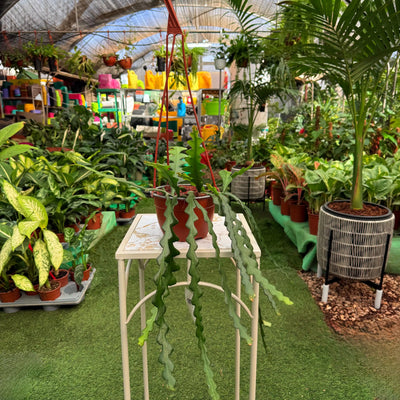
🌵 Epiphyllum Anguliger (Fishbone Cactus) | The Complete Guide
 המוצר מהמדריך זמין באתר
Perennial Zigzag Epiphyllum for the home
75.00 ₪
📋 Quick Summary - Everything You Need to Know at a Glance
Bright but indirect
No harsh direct sun
When the top layer dries out
Never until completely dry
Easy-Moderate
Suitable for beginners
Epiphytic jungle cactus
Not a desert cactus!
Stems 20-30 cm
Cascading up to 60-90 cm+
🌱 Getting to Know the Plant
Names and Identification
- Hebrew name: Epiphyllum Zig Zag, Fishbone Cactus
- Scientific name: Epiphyllum anguliger (Currently accepted taxonomic name: Disocactus anguliger)
- English: Fishbone Cactus, Zig Zag Cactus, Ric Rac Cactus
- Family: Cactaceae
- Type: Epiphytic jungle cactus — not a desert cactus
Origin and Background
Native to evergreen forests in the mountains of Mexico (Oaxaca, Guerrero, Jalisco, Michoacán, and Nayarit), at an altitude of about 1,100-1,800 meters. In the wild, it grows as an epiphyte — hanging on tree trunks and rocks, not in the soil — and absorbs water and humidity from the air and the organic matter that accumulates around it. This is why its needs are so different from a regular desert cactus.
Unique Characteristics
- 〰️ Zig-zag shaped stems: Flat, succulent stems with deep, serrated notches that look like a fishbone — hence the name.
- 🌙 Night-blooming and fragrant: Large, white to yellowish flowers that open at night and carry a strong, sweet scent.
- 🪴 Cascading growth habit: Perfect for a hanging basket or high shelf — the stems fall downwards with natural grace.
- ⚡ Fast growth rate: Relatively to other cacti, it develops quickly under good conditions.
⚠️ Note — Common Confusion regarding the name "Fishbone Cactus"
In the houseplant world, there are two different species known by the common name "fishbone cactus" / "Ric Rac", and nurseries sometimes confuse between them:
- Epiphyllum anguliger (the plant in this guide) — deep, rounded notches, white-yellowish flowers.
- Selenicereus anthonyanus (also called "Ric Rac Cactus") — stem similar in shape but more contorted, pinkish-reddish flowers.
Both species require nearly identical care (indirect light, moderate watering, airy soil), so even if you bought a mislabeled plant, the care instructions in this guide will work perfectly for it. It is also important not to confuse it with the Christmas cactus (Schlumbergera) — an entirely different species with rounded teeth leaves rather than a sharp zig-zag.
💚 Why choose an Epiphyllum Zig Zag?
🌵 The Jungle Cactus Family — Who Else is Similar?
The Epiphyllum Zig Zag belongs to a wider family of epiphytic "jungle cacti" — all of them behave like tropical houseplants rather than desert cacti. It's worth knowing its relatives:
Our plant — deep zig-zag stems, white-yellowish blooms
"Ric Rac" — similar contorted stem, pink-reddish blooms
Rounded serrated leaves, not zig-zag — blooms in winter
At Garden, we focus on the Epiphyllum Zig Zag — you can find it and other similar hanging plants in our Hanging Plants collection.
🌤️ Detailed Growth Conditions
☀️ Light
- Bright but indirect/filtered light — an east-facing or north-facing window works great.
- Harsh, direct sun, especially at noon, burns the stems and leaves brown spots.
- Too little light causes weak, pale growth and poor or non-existent blooms.
- In Israel — during summer, it's best to keep away from balconies with direct afternoon sun, or use shade cloth.
💧 Watering
The most important difference from a desert cactus: This is an epiphytic plant from tropical forests — never let it dry out completely like a desert cactus. However, it does not like constant "wet feet."
Water when the top layer of soil is dry to the touch — usually about once a week.
Reduce significantly — every 2-3 weeks, keeping just slightly moist, not soggy.
How to tell? Check with your finger 2-3 cm into the soil. Dry to the touch = time to water. Wrinkled and limp stems = thirsty; yellow and mushy stems = excess water.
🌡️ Temperature
Ideal range: 15-27°C. The plant does not tolerate cold below 10°C and may be damaged by frost.
⚠️ Frost warning: In mountainous and cold valley regions in Israel (Jerusalem, Upper Galilee), bring pots inside on cold winter nights or keep as a year-round indoor plant.
💦 Humidity
- Prefers medium-high air humidity — true to its jungle origins.
- Light misting of the leaves, a tray of pebbles and water beneath the pot, or clustering with other plants helps.
- Very dry air from air conditioning in the Israeli summer (or central heating in winter) might dry out stem tips — compensate with humidity.
🌍 Soil
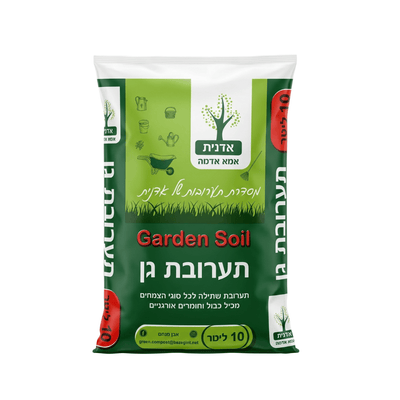
- An airy, well-draining, yet organic-rich mix — not pure desert sand like for normal cacti.
- Recommended: Cactus/Orchid mix + pine bark and perlite or pumice, in similar ratios.
- Good drainage at the bottom of the pot is critical to prevent root rot.
🌸 Fertilization
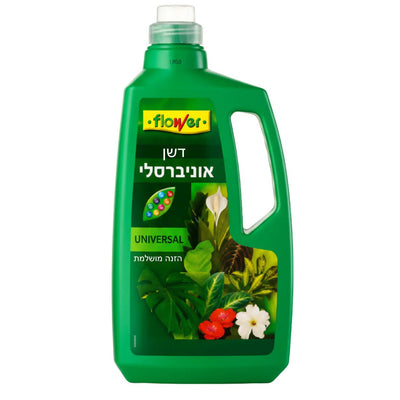
Balanced fertilizer diluted to half the recommended concentration, once every 3-4 weeks. Dedicated low-concentration cactus fertilizer is also an option.
Stop or reduce drastically — the plant is resting and doesn't need extra food.
✂️ Pruning and Maintenance
Light pruning at the end of the season or after blooming encourages new stems to grow just behind the cutting point and maintains a neat, non-leggy shape. You can prune extra-long stems to encourage branching — and the pruned stems are perfect for propagation (see below). It is recommended to remove dead or damaged stems regularly and keep good air circulation around the plant.
🌿 Propagation
The easiest and most common way is propagation by stem cuttings, which is also a great way to use stems you've pruned:
- Choose a healthy, mature stem and cut a piece about 8-15 cm with a clean cutting tool.
- Let the piece dry ("callous") in a shaded and airy place for 2-7 days — this prevents rot.
- Plant the base in a well-draining mix (like for the mature plant), or root first in a glass of water.
- Keep the soil slightly moist, not wet, and place in an area with indirect light.
- Roots develop within about 3-6 weeks; afterwards, treat like a mature plant.
This method is considered safe and reliable for epiphytic cacti when you ensure the wound is dried before planting.
🔧 Common Problems and Solutions
💛 Yellow and mushy stems
Cause: Overwatering and root rot.
Solution: Reduce watering, check drainage, and ensure the pot drains well; in severe cases, remove and check the roots.
🥀 Wrinkled and limp stems
Cause: Prolonged under-watering.
Solution: Water and ensure the plant doesn't dry out completely between waterings — unlike a desert cactus.
🔥 Brown spots / Burn
Cause: Exposure to sun that is too strong.
Solution: Move to a location with bright but indirect light, away from direct noon sun.
🌙 No blooms
Cause: Plant too young (usually takes several years to mature), insufficient light, or no temperature difference between day and night.
Solution: Patience, consistent bright indirect light, and slightly cooler night temperatures during the resting season.
🐛 Pests
The most common pests are mealybugs and spider mites, and occasionally scale insects. Treat by isolating the plant, manual wiping/removal, then spraying with neem oil or insecticidal soap every 7-10 days until the pest disappears.
❓ Frequently Asked Questions
The most common reason is overwatering. Reduce watering, ensure proper drainage, and check that the pot isn't sitting in water.
About once a week during the growing season (spring-summer), when the top layer of soil is dry to the touch, and less in winter. Important to remember — never let it dry out completely like a desert cactus.
Not recommended. This is an epiphytic cactus from a tropical forest, not a desert cactus — harsh, direct sun burns the stems. It needs bright but indirect/filtered light.
Usually due to young age (blooming mainly occurs in mature plants), insufficient light, or lack of temperature difference between day and night during the resting season. Patience and proper conditions are key.
Easiest is by stem cutting: cut a piece, let it callous for a few days, and plant in a draining mix or root in water. Roots develop in a few weeks.
📊 Summary Table
| Category | Details |
|---|---|
| ☀️ Light | Bright but indirect/filtered, no harsh direct sun |
| 💧 Watering | When the top layer dries (about once a week in summer, 2-3 weeks in winter) — not to complete dryness |
| 🌡️ Temperature | 15-27°C ideal, minimum 10°C, sensitive to frost |
| 💦 Moisture | Medium-high, appreciates light misting |
| 🌍 Soil | Aerated, well-draining, rich in organic matter (no desert sand) |
| 🌸 Fertilization | Balanced and diluted, spring-summer only |
| 📏 Size | Stems 20-30 cm, trailing up to 60-90 cm+ in a hanging basket |
| 📊 Difficulty level | Easy-moderate |
| ✨ Special | Nocturnal and fragrant blooms, perfect for hanging baskets, an almost thornless epiphytic cactus |
🛒 Shop Deco Garden
🌿 Deco Garden - Love for Plants
Do you have a question about the Epiphyllum Zig Zag or any other plant? Our team of experts is here for you — for any question, big or small.
© 2026 Deco Garden - All rights reserved
The guide was written by the Deco Garden expert team
🛒 המוצרים מהמדריך
הצמחים והמוצרים שהמדריך מדבר עליהם — לחיצה על כרטיס מעבירה לעמוד המוצר.