

💜 Angelonia | The Complete Growing and Care Guide
 המוצר מהמדריך זמין באתר
Fertilizer for flowering plants 1.3 liters flower
36.00 ₪
📋 Quick Summary - Everything you need to know at a glance
Full sun
At least 6-8 hours a day
Moderate
When top layer dries out
Easy
Suitable for beginners
Flowering herbaceous perennial
Heat tolerant, frost sensitive
approx. 30-45 cm height
approx. 20-30 cm width
🌱 Introduction to the plant
Names and Identification
- Hebrew name: Angelonia (also known as "Summer Snapdragon")
- Scientific name: Angelonia angustifolia
- English: Angelonia, Summer Snapdragon
- Family: Plantaginaceae
- Type: Herbaceous, perennial in warm regions
Origin and Background
Angelonia originates from Mexico, the West Indies, Central America, and Colombia. In its tropical home, it is a perennial, and in USDA climate zones 9-11, it grows year after year; in colder regions, it functions as a long-blooming annual.
Unique Characteristics
- 🌸 Orchid-like flowers on narrow, upright spikes
- ♻️ "Self-cleaning" - faded flowers fall off on their own, no need for deadheading
- 🔥 Continues blooming in peak heat - when many other annuals are fading
- 🍃 Narrow, elongated leaves with slightly serrated edges
- 🐝 Attracts butterflies and bees to the garden
- 🍇 Light, sweet scent in some varieties
⚠️ Don't be confused
Angelonia is sometimes called "Summer Snapdragon" in Hebrew, but this is only a nickname - it is not the same plant as the true "Snapdragon" (Antirrhinum majus), which is a cool-season plant, quite different botanically and in its growing requirements. It is worth checking which plant you are buying to ensure you provide the correct growing conditions.
💚 Why choose Angelonia
When many annuals are already fading from the heat
Drought-tolerant once established in the garden
Self-cleans faded flowers
From spring to autumn
Suitable for gardens, pots, and window boxes
🌈 Common Varieties and Series
Worldwide, dozens of varieties and commercial series of Angelonia are grown, selected primarily for flower color, growth height, and root rot resistance. We offer the classic variety that blooms in shades of blue-purple, which is easy to grow and hardy. Here are some of the well-known series:
Series with large flowers in shades of blue and purple
Particularly good resistance to root rot
Compact series, excellent for pots and window boxes
Wide range of shades, including bicolor
🌤️ Detailed Growing Conditions
☀️ Light
- Full sun - at least 6-8 hours of direct light per day
- In partial shade or low light, the plant will become "leggy" and flowering will significantly decrease
- It loves the strong summer sun and does not get "burned" by it
💧 Watering
While the plant is young and not yet established, it is important to keep the soil consistently moist. Once established, Angelonia develops good drought tolerance - one of its significant advantages over other annuals.
Water when the top layer of soil dries out - usually about once a week for an established plant. It is best to water early in the morning, directly at the base of the plant, and avoid wetting the leaves and flowers.
Significantly reduce watering frequency. The soil should not remain wet for a long time.
How to know when to water: Insert a finger 2-3 cm deep into the soil - if it's dry, it's time to water. Overwatering and poor drainage are the most common causes of root rot in this plant.
🌡️ Temperature and Humidity
One of Angelonia's key advantages: it loves both heat and humidity, and thus continues to thrive and bloom exactly when many other annuals are suffering and wilting. It is highly sensitive to cold: below about 10°C, growth stops and the plant may be damaged by frost. It grows as a perennial in USDA climate zones 9-11. Frost warning: In high-altitude or cold valley areas, it is recommended to protect the plant in winter or grow it as an annual; in coastal plains and warm areas, it can persist as a perennial.
🌍 Soil
- Fertile soil, rich in organic matter
- Good drainage is the most important factor - soil that is too wet for too long causes root rot
- A layer of mulch helps maintain consistent moisture and reduce soil temperature fluctuations
🌿 Fertilization
Balanced fertilizer every 2-4 weeks, or slow-release fertilizer every two months.
Reduce or stop fertilization when the growth rate slows down.
It is important not to overdo high-nitrogen fertilizer - excess nitrogen encourages lush foliage at the expense of blooming.
✂️ Pruning and Maintenance
Angelonia is a "self-cleaning" plant - faded flowers drop off on their own and do not need to be removed manually, making it ideal for low-maintenance gardening. It is not mandatory, but you can prune about half the plant's height in the middle of summer to encourage a fresh wave of blooming and more compact, fresh growth.
🌾 Propagation
The most common and fastest way to propagate Angelonia is through cuttings:
- Cut a 10-15 cm cutting from the tip of a healthy stem, without flowers.
- Remove the lower leaves. You can (optional) dip the tip of the cutting in rooting hormone to improve chances.
- Plant in a light, well-draining medium (e.g., a mixture of coconut coir and perlite).
- Place in a bright spot without strong direct sun, and keep the medium lightly and consistently moist.
- Rooting usually takes 4-6 weeks; once a root system has developed, you can transplant it to a permanent pot or to the garden.
You can also grow Angelonia from seeds, but the process is slower - the seeds need light to germinate, and germination takes 1-2 weeks.
🔧 Common Problems and Solutions
🍂 Yellowing leaves
Cause: Irregular watering - too much or too little.
Solution: Check soil moisture before each watering and ensure drainage is good.
🌱 Few flowers / Leggy plant
Cause: Insufficient light.
Solution: Move to a location with full sun, at least 6-8 hours a day.
🦠 Root rot
Cause: Overwatering and poor drainage.
Solution: Reduce watering, ensure excellent drainage in the pot and soil, and remove affected parts.
⚪ White powder on leaves (Powdery mildew)
Cause: High humidity and poor air circulation around the plant.
Solution: Improve airflow, avoid wetting leaves during watering, and treat with a suitable agent in severe cases.
🐛 Pests
Aphids: Suck sap from leaves and young stems. Treat with insecticidal soap or neem oil.
Whiteflies: Common especially in protected growth. Treated similarly - insecticidal soap and early control.
🎨 Uses in the Garden and Design
Angelonia is excellent for flower beds, borders, pots, and window boxes. Its flowers also hold up well as cut flowers, and some varieties have a light, sweet scent. It blends beautifully alongside plants with gray-silvery foliage, which creates a pleasant contrast to its flower colors.
❓ Frequently Asked Questions
Full sun - at least 6-8 hours of direct light per day. Less than that will cause the plant to stretch and lead to a significant decrease in flowering quantity.
In summer, for an established plant - usually about once a week, or when the top layer of soil is dry to the touch. It is important not to keep the soil constantly wet to prevent root rot.
No. Angelonia is a "self-cleaning" plant - faded flowers drop off on their own and do not require manual intervention.
It is a tropical perennial (USDA climate zones 9-11) that can persist for several years in warm areas without frost. In colder regions or harsh winters, it functions as a long-blooming annual.
The most common reason is lack of light - ensure it is getting full sun. Another possible reason is high-nitrogen fertilizer, which encourages foliage at the expense of blooming.
📊 Summary Table
| Category | Details |
|---|---|
| ☀️ Light | Full sun, at least 6-8 hours a day |
| 💧 Watering | Moderate - when top layer dries; drought-tolerant once established |
| 🌡️ Temperature | Loves heat and humidity; sensitive to cold below 10°C; USDA zones 9-11 |
| 🌍 Soil | Fertile and well-draining, rich in organic matter |
| 🌿 Fertilizing | Balanced fertilizer every 2-4 weeks during the growing season |
| 📏 Size | Approx. 30-45 cm tall, approx. 20-30 cm wide |
| 📊 Difficulty Level | Easy - suitable for beginners |
| ✨ Special Feature | Self-cleaning (no deadheading needed) and blooms even in the peak of summer heat |
🛒 Shop Deco Garden
🌿 Deco Garden - Love for Plants
Have a question about your plants? The Deco Garden team is here for you - write to us and we'll be happy to help you grow the most flourishing garden in the neighborhood.
© 2026 Deco Garden - All rights reserved
This guide was written by the Deco Garden expert team
🛒 המוצרים מהמדריך
הצמחים והמוצרים שהמדריך מדבר עליהם — לחיצה על כרטיס מעבירה לעמוד המוצר.
-
 Angolina, pot diameter 12 cm (perennial for the garden)
12.00 ₪אזל כרגעלעמוד המוצר
-
 Fertilizer for flowering plants 1.3 liters flower
36.00 ₪לעמוד המוצר
-
 Coconut coir and peat brick
18.00 ₪לעמוד המוצר
-
 Potting mix, planting soil, fertilizer-enriched
החל מ-22.50 ₪לעמוד המוצר
-
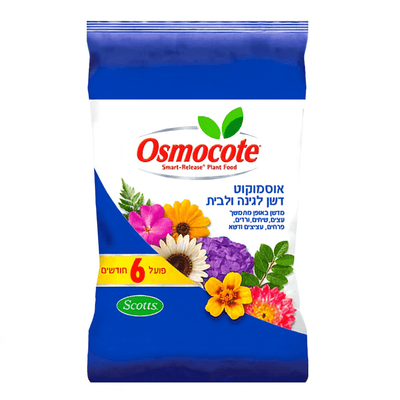 Osmocote fertilizer for garden and home, active for 6 months
החל מ-65.00 ₪לעמוד המוצר
-
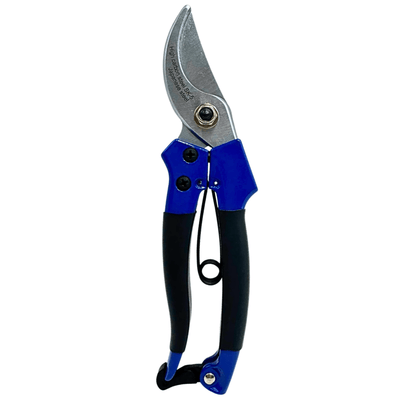 B-4282 manual bypass pruner
49.99 ₪לעמוד המוצר


