

How to choose a decorative pot: measuring, drainage, and watering without standing water
 המוצר מהמדריך זמין באתר
Modern ceramic dishes in a variety of colors and sizes
48.00 ₪
המוצר מהמדריך זמין באתר
Modern ceramic dishes in a variety of colors and sizes
48.00 ₪
Deco Garden Practical Measurement Guide
A beautiful cachepot won't help if your nursery pot gets stuck at the opening, sinks too deep, or sits in water. Here, we distinguish between a cachepot and a planting pot, measure the three key points that determine fit, and water without leaving excess moisture around the roots.
First, decide: cachepot or planting pot?
A cachepot is a decorative vessel that houses the nursery pot with its drainage holes. You remove the inner pot for watering, drain it, and return it. A planting pot is the container that holds the soil and roots directly, so it must fit the root volume and allow excess water to escape.
Many decorative ceramic pots lack sufficient drainage. Until you have verified that a pot has an open drainage hole and the planting method is suitable for the plant, use it as a cachepot rather than planting directly in it.
Fit is determined by three measurements — not the size name
The number on the variant doesn't tell us what happens inside the vessel. A thick rim, curved walls, or a narrow base can reduce the usable space. Therefore, measure the nursery pot and the cachepot at the same points.
- At the opening: Measure the widest outer diameter of the nursery pot, including the rim. It must fit within the inner diameter of the cachepot opening.
- At the base: Measure the outer bottom diameter of the nursery pot and compare it to the inner base diameter of the pot. In vessels that taper downward, this is often the deciding measurement.
- At the height: Measure the height of the nursery pot and compare it to the internal usable height. Leave space below for drainage and ensure you can grip the rim of the pot to remove it.
Widest outer diameter, base diameter, and total height.
Inner opening diameter, inner base diameter, and usable internal height.
The pot goes in and out by hand, doesn't block drainage, and doesn't sit in water.
What do the 15, 21, and 30 cm sizes mean for this product?
In the modern Deco Garden ceramic line, the selector shows three commercial sizes: 15, 21, and 30 cm. The inner diameter, base diameter, and usable height have not yet been published as verified measurements. Therefore, the number helps select a starting point, but it is not proof that a nursery pot with the same number will fit.
| Selector size | What is known | What to check before ordering |
|---|---|---|
| 15 cm | This is the commercial size of the small variant. | Inner opening, inner base, and usable height vs. the three nursery pot measurements. |
| 21 cm | This is the commercial size of the medium variant. | Same three measurements; do not assume an 18 or 20 cm pot fits automatically. |
| 30 cm | This is the commercial size of the large variant. | Check weight, stability, and ease of removal for watering, in addition to internal dimensions. |
If the fit is close or if the pot is intended for a precise niche, contact us with the three nursery pot measurements. We can measure the variant available in our warehouse before you order.
Want to choose a color and size?
The ceramic pot page displays 11 colors and three sizes. Only choose after measuring, and in borderline cases, ask us for a warehouse check.
To the modern ceramic collectionWatering: remove, drain, and only then return
Water remaining in the cachepot can keep the bottom of the nursery pot wet and reduce air circulation around the roots. Even if the amount seems small, do not use the outer pot as a reservoir unless it is a dedicated irrigation system with manufacturer instructions.
- Remove the nursery pot from the cachepot and place it in the sink, shower, or a place that allows water to escape.
- Water according to the plant's needs and moisten the soil evenly, without setting the same schedule for every plant.
- Let the excess drain from all drainage holes. Do not return a pot that is still dripping into the cachepot.
- Empty the cachepot and return the pot only when the bottom is no longer sitting in water.
Transferring to a new pot is a different decision
If the goal is to remove the plant from the nursery pot and replant it, the cachepot size is not the correct metric. Choose a planting pot with drainage based on the root ball, plant type, and soil medium.
For houseplants in pots smaller than 25 cm, RHS guidelines usually suggest starting with a pot about 2.5–5 cm wider and deeper than the current one. The University of Illinois describes this as a one-size increase, about 1–2 inches. This is just a starting range: damaged roots, plant division, or a species with special requirements can change the choice. A pot that is too large leaves more wet soil around few roots.
Unglazed terracotta is porous and allows evaporation through the walls. Glazed ceramic retains moisture for longer. In both cases, a drainage hole, correct soil, and watering based on the plant's condition are more important than the material name alone.
For comparison: how to choose a terracotta pot for your plantFrequently asked questions
Have you measured the nursery pot?
Proceed to your desired color and size. If the measurement is borderline, write to us before ordering and we will check the ceramic pot available in our warehouse.
Select a ceramic pot🛒 המוצרים מהמדריך
הצמחים והמוצרים שהמדריך מדבר עליהם — לחיצה על כרטיס מעבירה לעמוד המוצר.
-
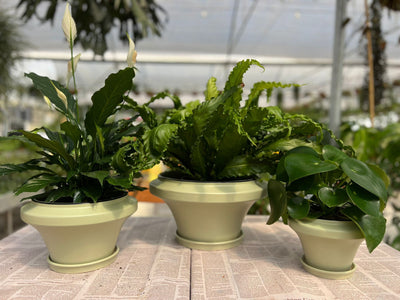 Modern ceramic dishes in a variety of colors and sizes
החל מ-48.00 ₪לעמוד המוצר
Modern ceramic dishes in a variety of colors and sizes
החל מ-48.00 ₪לעמוד המוצר
-
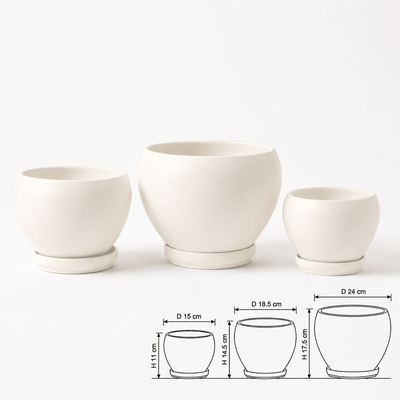 Round ceramic vase with a base
החל מ-39.00 ₪לעמוד המוצר
Round ceramic vase with a base
החל מ-39.00 ₪לעמוד המוצר
-
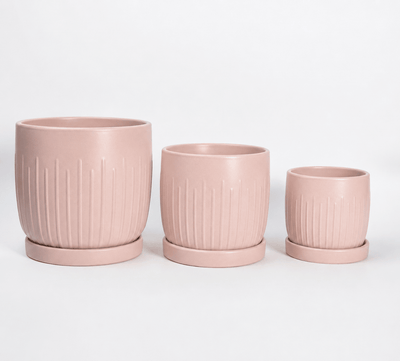 Glazed ceramic planter with line decoration and saucer
החל מ-29.00 ₪אזל כרגעלעמוד המוצר
Glazed ceramic planter with line decoration and saucer
החל מ-29.00 ₪אזל כרגעלעמוד המוצר
-
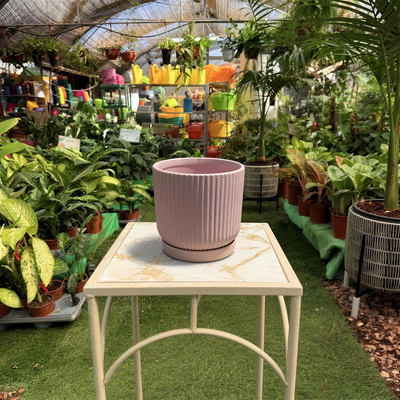 Pink striped ceramic pot 15 cm with saucer
45.00 ₪לעמוד המוצר
Pink striped ceramic pot 15 cm with saucer
45.00 ₪לעמוד המוצר
-
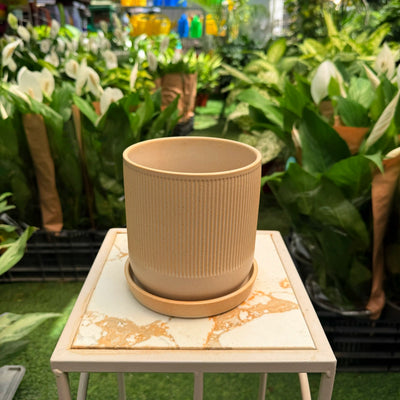 Sand ceramic vase with a base
החל מ-25.00 ₪לעמוד המוצר
Sand ceramic vase with a base
החל מ-25.00 ₪לעמוד המוצר
-
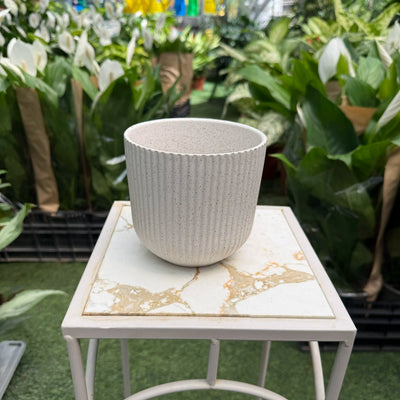 White ceramic vase with dots
החל מ-25.00 ₪לעמוד המוצר
White ceramic vase with dots
החל מ-25.00 ₪לעמוד המוצר
-
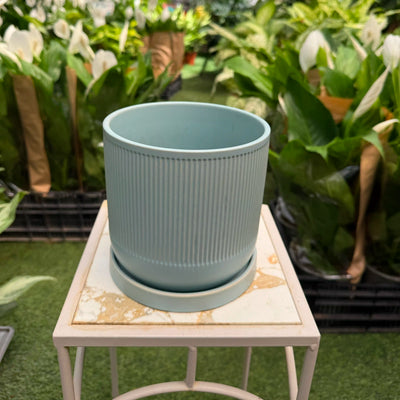 Light blue ceramic pitcher with a 15 cm diameter base
45.00 ₪לעמוד המוצר
Light blue ceramic pitcher with a 15 cm diameter base
45.00 ₪לעמוד המוצר
-
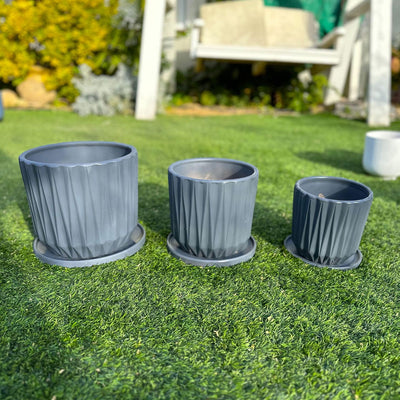 Double Ceramic Inverted Diamond Jug
החל מ-28.00 ₪לעמוד המוצר
Double Ceramic Inverted Diamond Jug
החל מ-28.00 ₪לעמוד המוצר
